
Sanatorium - A Mental Asylum Simulator for macOS
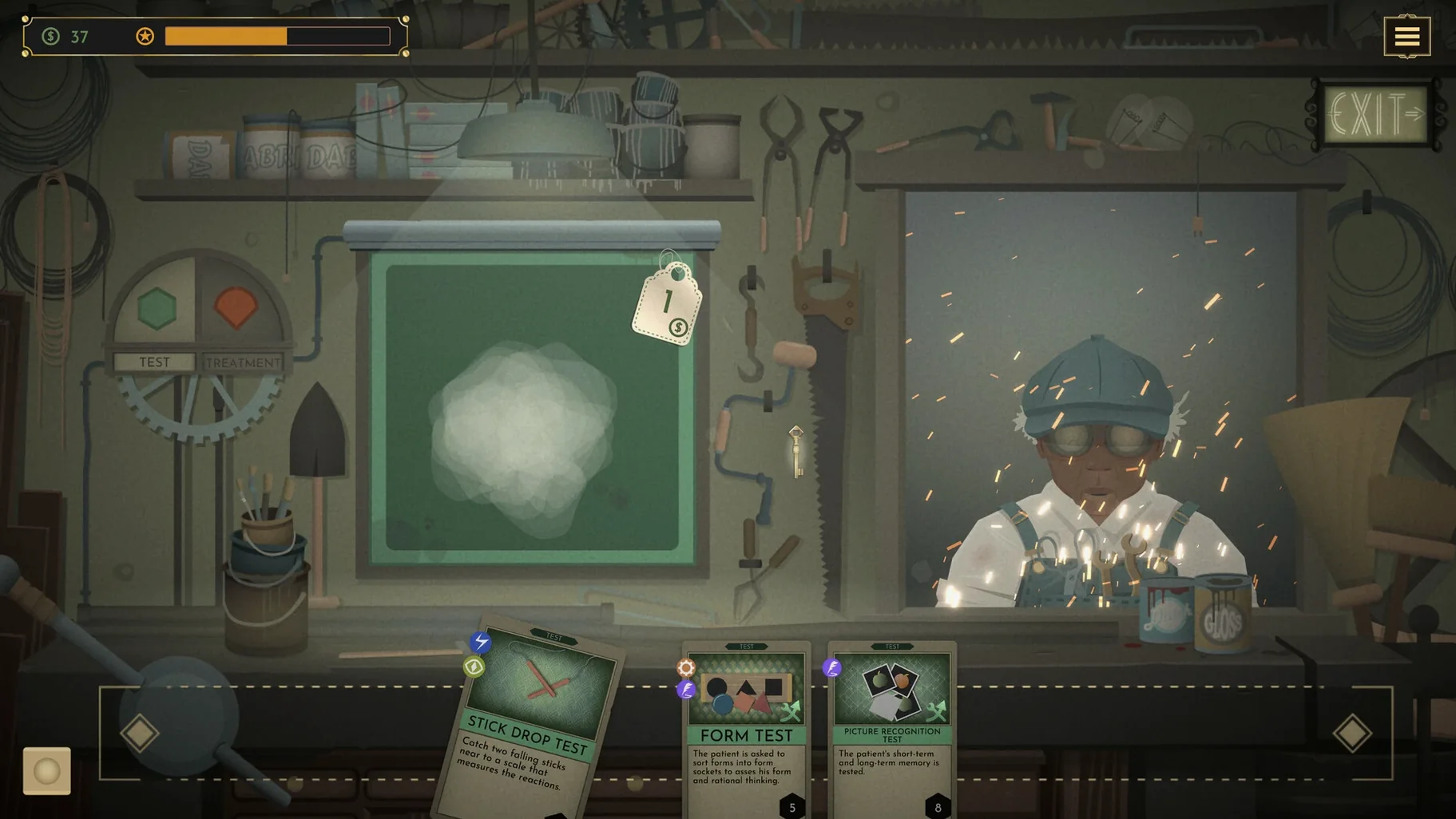
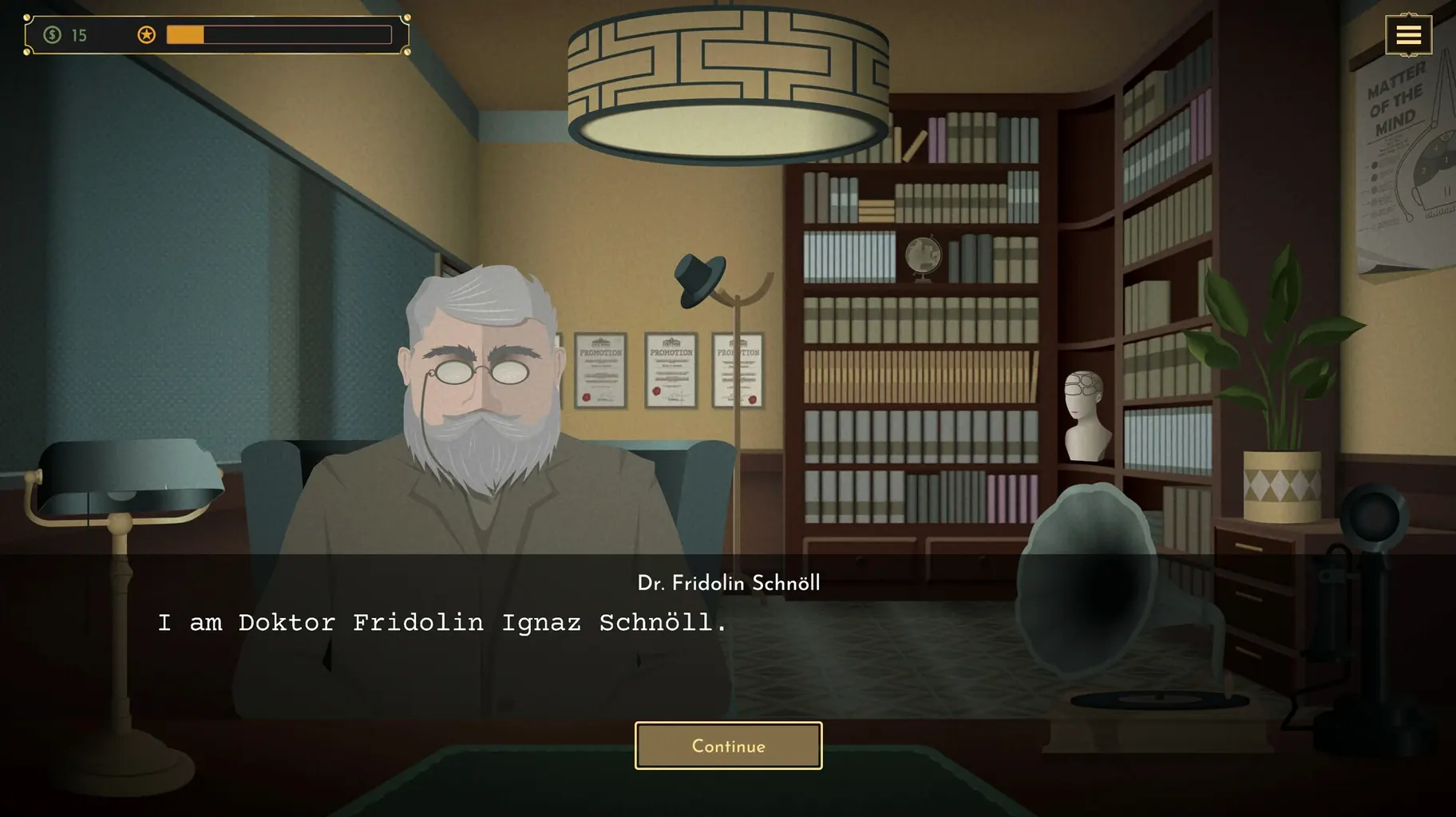
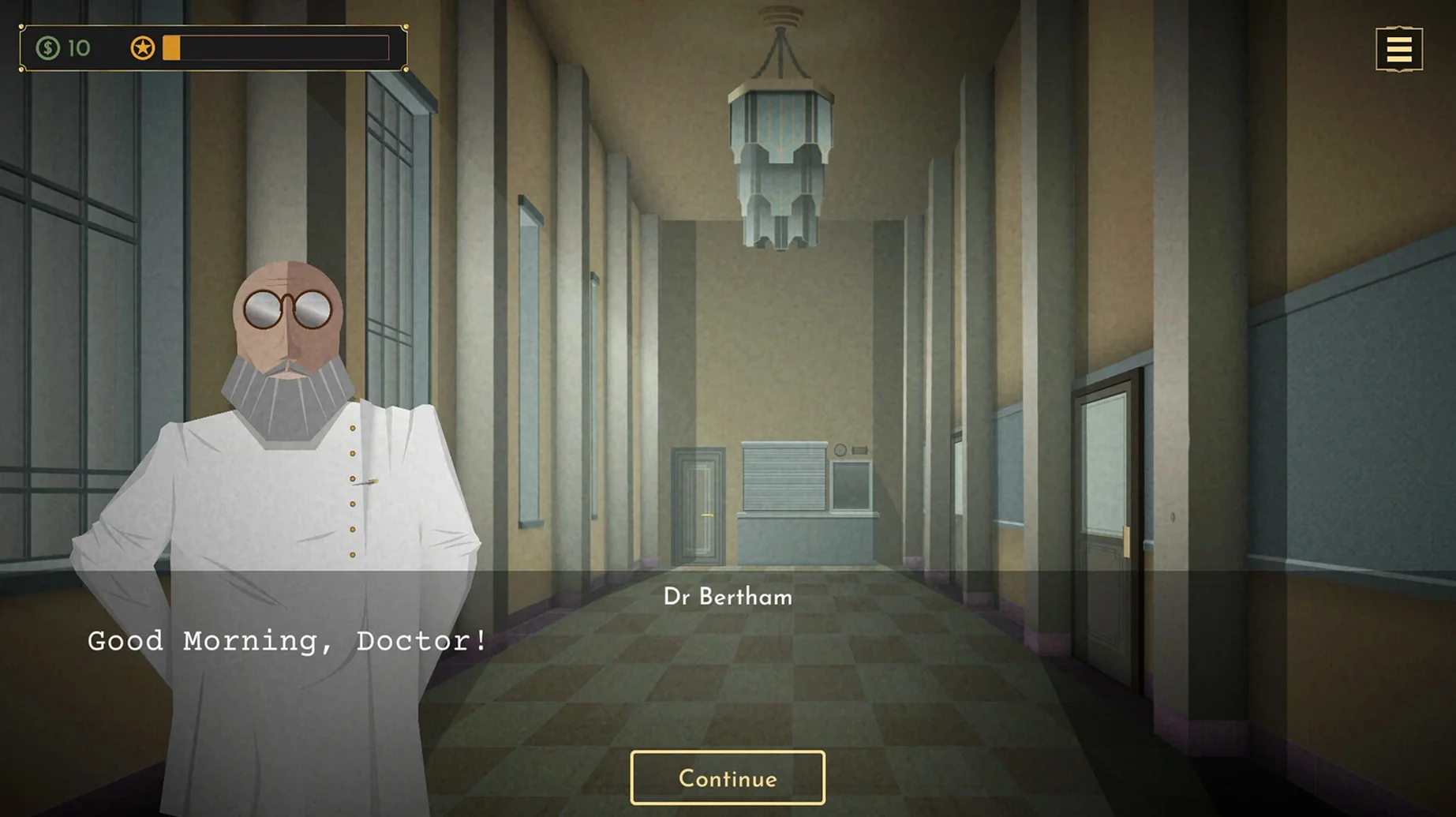
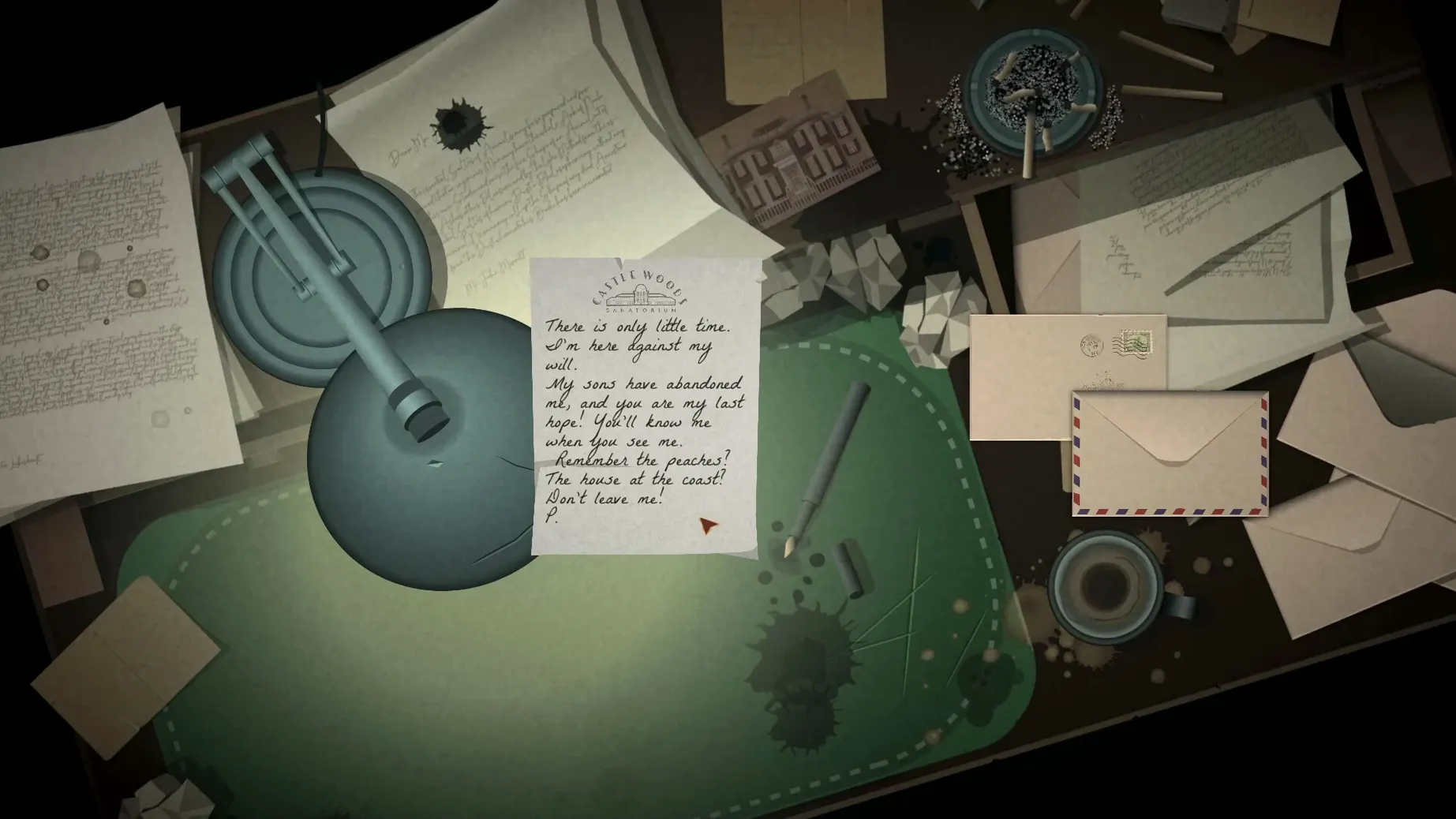
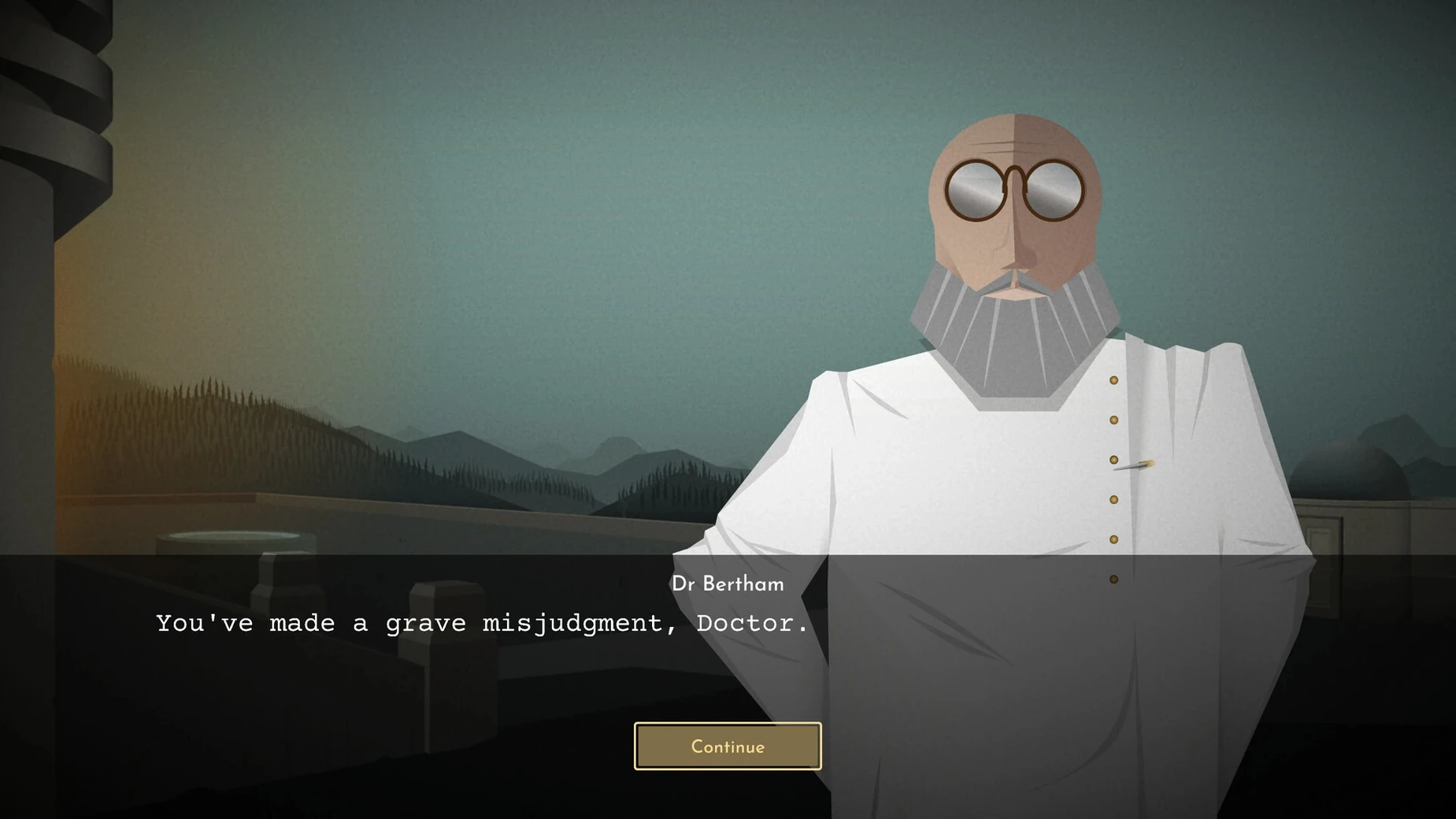
Think of it less like a management sim and more like a single-player card game built in the spirit of a visual novel. You are a doctor in 1923, and your desk is covered in patient files. The core loop of sanatorium a mental asylum simulator mac torrent revolves around drawing cards from a deck of over 100 options. Each draw presents a symptom, a test result, or a piece of a patient's history. You are not building a hospital wing; you are sitting with a stack of clinical data, arranging cards to form a diagnosis from fragmented, often troubling, information. A successful treatment plan relies on how well you read the cards, not how fast you click.
| Key Detail | Specification |
|---|---|
| Genre | Card-based workplace adventure |
| Setting | A mental asylum, 1923 |
| Architecture | Native ARM and x86 64-bit |
| Languages | Russian, English, German, Spanish, Italian, Simplified Chinese, Korean, Portuguese, French, Japanese |
The minute-to-minute action is a quiet, procedural puzzle. A patient file lands on your desk. You flip through cards describing specific symptoms—a peculiar speech pattern, a physical tic, a recounted nightmare. You then pull from a deck of psychological tests and early-20th-century therapies to respond. The treatments are products of their time, often ethically questionable by modern standards, which the game presents without flinching. There is no timer ticking down; the tension comes purely from committing to a diagnosis with incomplete information. The entire experience unfolds through the cards and the grim, yellowed aesthetic of the patient files themselves.
Why do patients flinch at cutlery?
You open a patient file and the desk fills with cards. The first one might describe a man who hasn't spoken in three days; another notes he flinches at the sound of cutlery. You spread them out, looking for patterns. I tend to group them by body system first — neurological over here, behavioral over there — then cross-reference against the tests I have available. A Rorschach card might surface repressed imagery. A word-association test could reveal something the patient won't say directly. You slot the evidence together, pick a diagnosis from your growing list, and commit. The game doesn't tell you immediately if you're right. You only find out when you see the outcome card, sometimes chapters later, and by then your choice has already branched the story in ways you can't undo.
How light is it on an M4 Mac?
On an M4 Mac mini the app opens in under two seconds and idles at roughly 300 MB of RAM — negligible for any Mac made in the last decade. Card transitions are instant, with a slight paper-texture animation that never stutters. I ran through the full first chapter in one sitting without a single crash or beachball. The .app bundle is self-contained; no background processes, no phone-home behaviour I could spot. Because the game is essentially a deck of cards with branching logic, it doesn't tax the GPU at all. Fans stayed silent the whole session. If you're curious how Sanatorium - A Mental Asylum Simulator for Mac cracked handles on older Intel machines, the x86 slice means it runs natively there too, and the lightweight engine suggests it should feel just as snappy on something like a 2017 MacBook Air.
Which two toggles change card feel?
The defaults are sensible, but two toggles made a noticeable difference for me:
- Card snap behaviour. By default, cards glide loosely when you drag them. In the preferences panel you can switch to a tighter grid snap. If you tend to organize evidence spatially, grid mode keeps your layout from drifting as you scroll through a thick patient file.
- Text speed for outcome cards. The game reveals diagnosis results line by line. The default crawl is slow enough to feel theatrical, but after your first few cases you'll probably want to bump it up. There's a slider tucked in the accessibility section — dragging it to about 80% makes the reveal feel brisk without losing the weight of the moment.
One more thing: the audio mix defaults to a fairly loud ambient bed of distant footsteps and muffled wing noises. Dropping ambient volume to 60% and keeping the music at full gives the string-heavy score room to breathe without the background drone competing for attention.
- macOS version undisclosed by the developer
- Both Apple Silicon (ARM) and Intel (x86 64-bit) Macs are supported
Comments 0
Sign in or create an account to leave a comment.
No comments yet. A codec, a slice, a machine — they appear after moderation.