Lucky Tower Ultimate for macOS
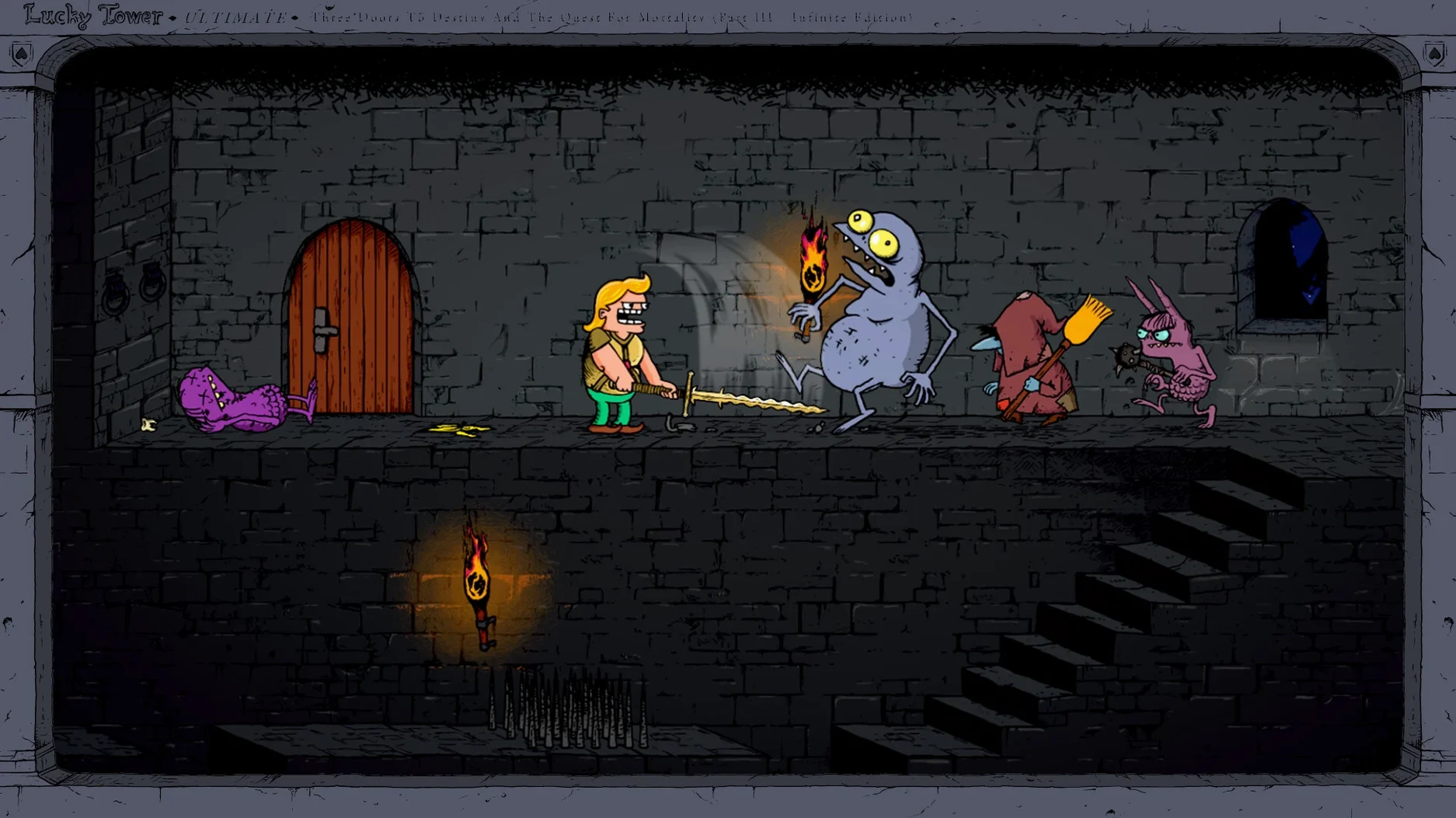
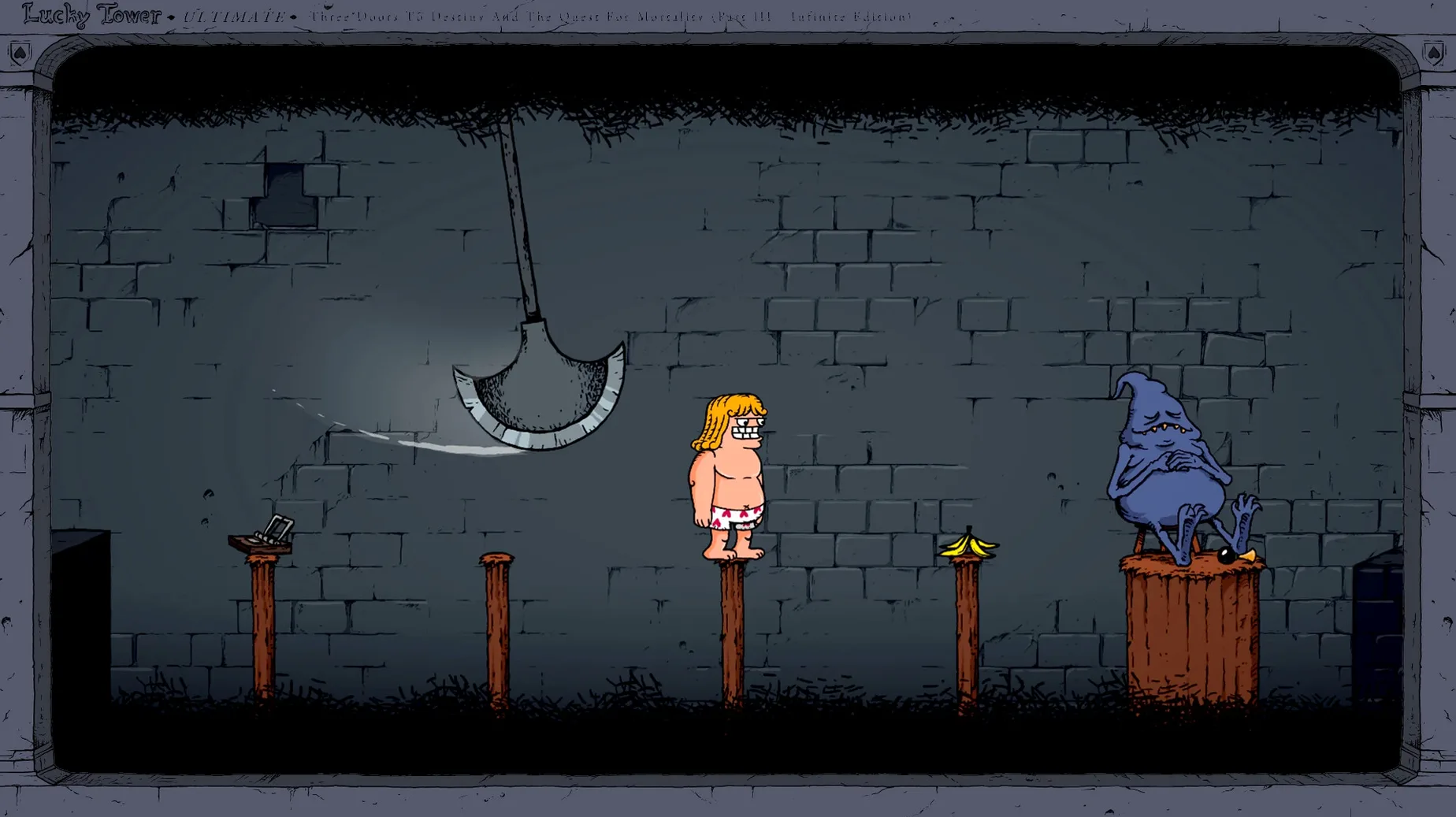
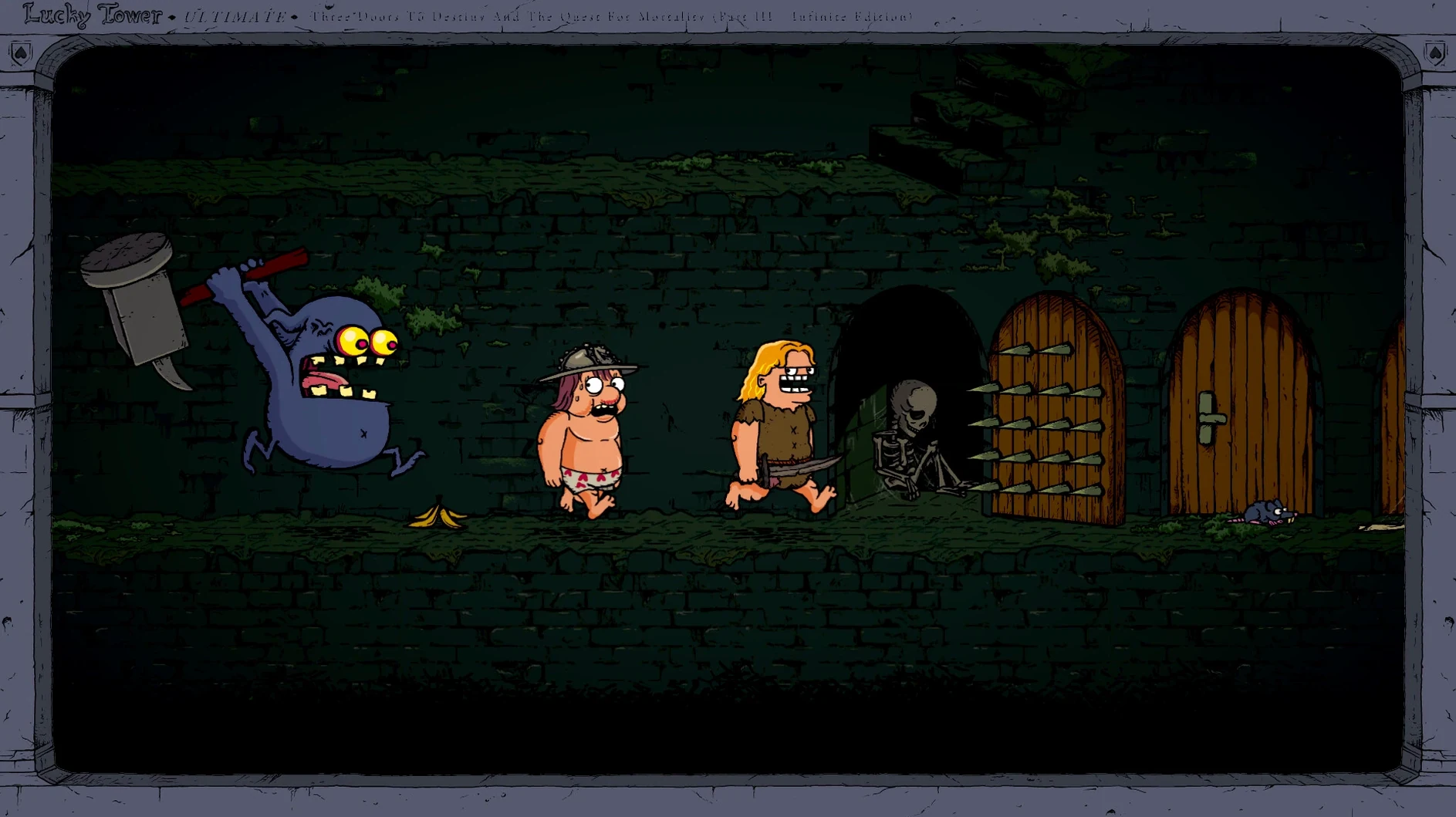
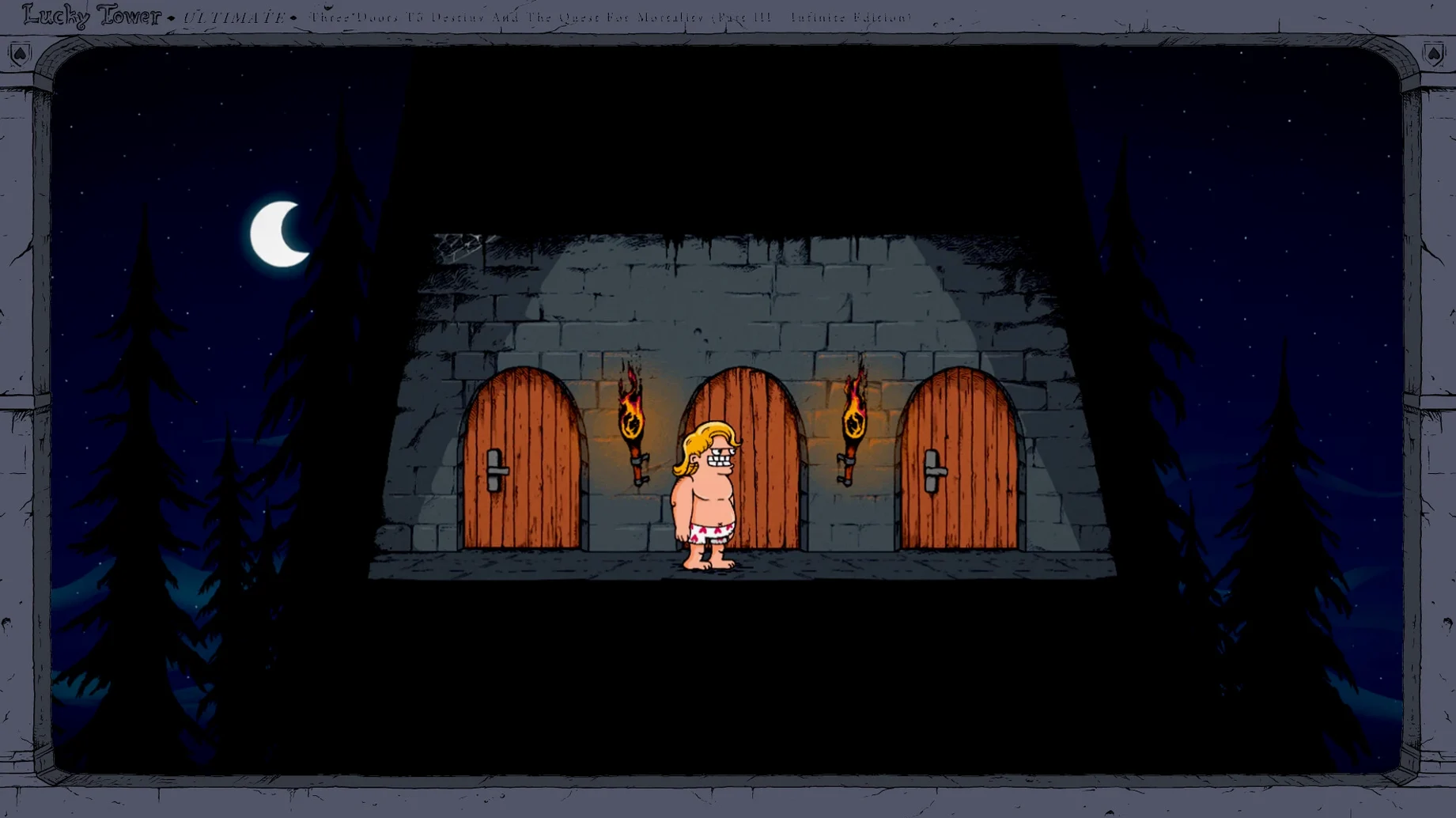
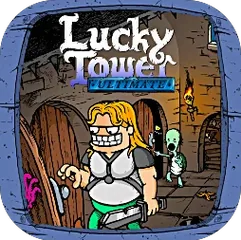
You click the door. Sir Von Wanst takes a deep breath, runs his fingers through his hair — which, for some reason, is now a bright green pompadour — and steps into a room full of spike traps and an irritated goblin. One wrong move and it is back to the dungeon floor for another attempt. This is the loop: die, laugh, learn the timing, try again with a different haircut.
The kind of player who enjoys Lucky Tower Ultimate is someone who treats death as a punchline. The tower is procedurally stitched together, so memorizing a route is not an option. You adapt. You learn how each trap behaves. You decide whether to fight that monster or just shove past it and hope the next room has a health potion. Other prisoners can join the escape, and bringing them along changes how each floor plays out. The humor lands in a very specific way — absurd, a little dark, delivered with full English voice work and expressive hand-drawn animation.
Who might bounce off it? Anyone looking for stat-heavy buildcrafting or a serious fantasy tone. This is not a numbers game. Progression happens between runs in the village outside the tower, where shops let you spend hard-won loot on permanent upgrades, but the core loop is about physical comedy and split-second decisions. The controls are simple on purpose, and the depth comes from reading the chaos rather than optimizing a character sheet.
It runs natively on Apple Silicon, so performance on a modern Mac is a non-issue. If you have ever enjoyed the original Flash series, this is the fully realized version of that idea — bigger, stranger, and with far more hairstyles than any one knight needs.
What does a run actually feel like?
The tower courtyard is where every run begins. Sir Von Wanst stands there with whatever ridiculous hairstyle the procedural generator assigned — last time it was a lopsided purple beehive — and the only way is forward. You tap the arrow key. He shuffles toward a doorway, and the game cuts to a hand-drawn animation of him tripping on his own cape before the door slams shut behind him.
Room one: a long corridor with two pressure plates. A goblin patrols the far end, muttering to itself. You have nothing in your inventory except a half-eaten drumstick from the previous floor. You toss it onto the first plate. The ceiling spikes come down exactly where you would have been standing. The goblin hears the noise and charges. You grab its corpse mid-swing — the game lets you — and use it to trigger the second pressure plate from a safe distance. The exit door groans open. You are three minutes in and already giggling.
Two floors later, a prisoner named Greta joins the party. She comments on your hair. You ignore her, and she sulks, which later means she refuses to help when a bat swarm floods the screen. That is the companion system in a nutshell: they remember slights. The run ends in a room with five spike pits and one badly timed jump. The death animation plays — Sir Von Wanst flails, yelps, collapses in a heap — and the game cuts back to the village. You spend your loot on a slightly better sword at the blacksmith and head straight back in, because the next tower layout might finally let you reach the upper floors.
Slapstick improvisation instead of Dead Cells’ pixel-perfect combos
Dead Cells is the obvious comparison point for roguelite platforming, but the two games pull in opposite directions. Dead Cells is about fluid combat chains and pixel-perfect timing; Lucky Tower Ultimate is about slapstick and improvisation. Where Dead Cells asks you to master a set of weapons, Lucky Tower hands you a broccoli stalk and dares you to make it work.
Cult of the Lamb shares the dark-comedy tone and the village meta-progression, but it splits its time between dungeon crawling and base management. Lucky Tower Ultimate keeps everything focused on the tower itself. The village is a place to spend currency between runs, not a second game mode. If Cult of the Lamb feels like running a sinister commune, Lucky Tower feels like starring in a cartoon where the animators hate you in the funniest possible way.
Rogue Legacy 2 also builds permanent upgrades across runs, but it leans heavily into stat inheritance and class selection. Lucky Tower Ultimate does not care about your lineage. Every run starts with the same knight, the same basic moveset, and a fresh dose of chaos. The progression is lighter, the tone is sillier, and the runs are shorter — built for lunch breaks rather than marathon sessions.
- Apple Silicon (ARM) Mac required
Comments 0
Sign in or create an account to leave a comment.
No comments yet. A codec, a slice, a machine — they appear after moderation.