
Kona for macOS
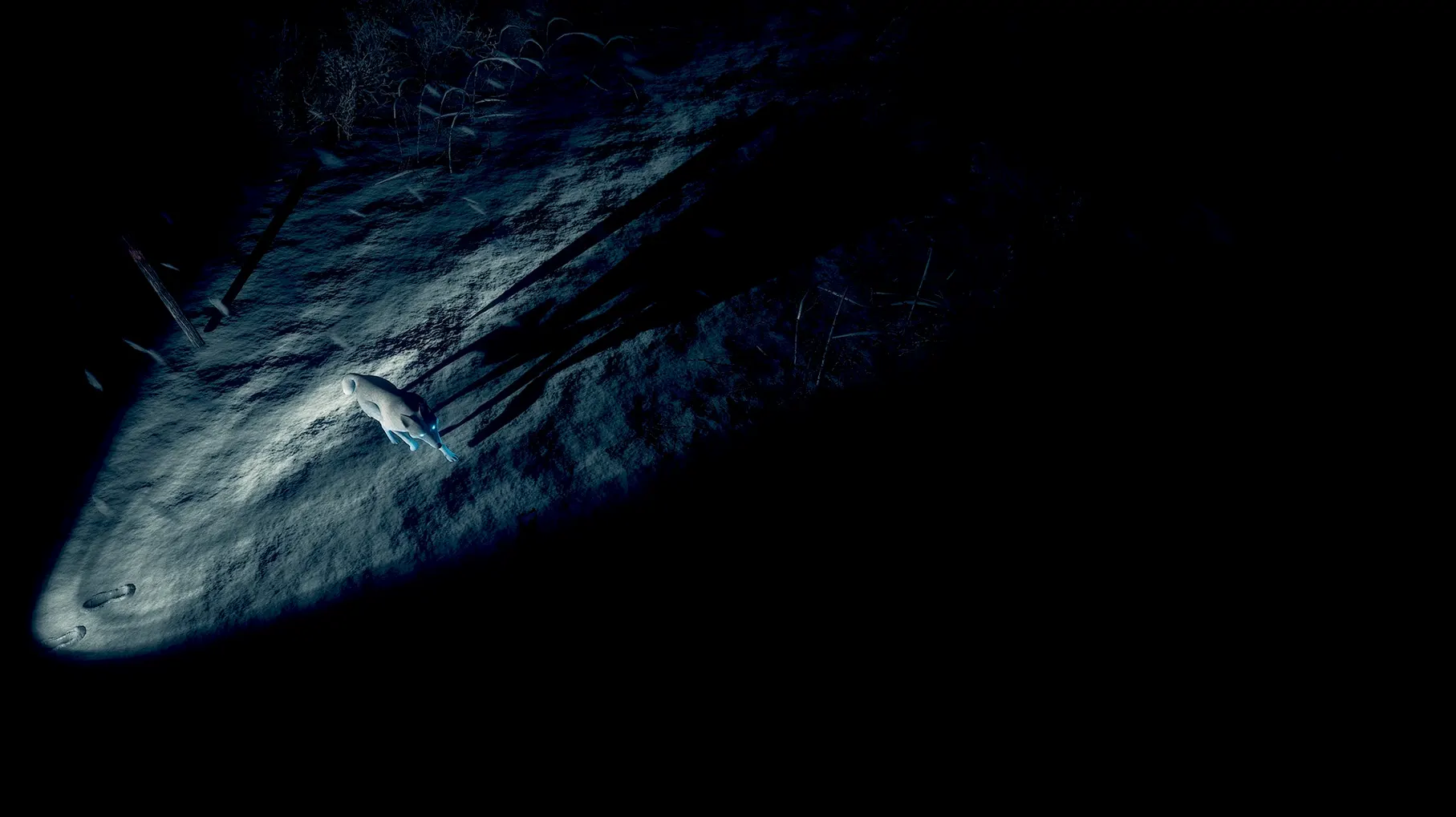
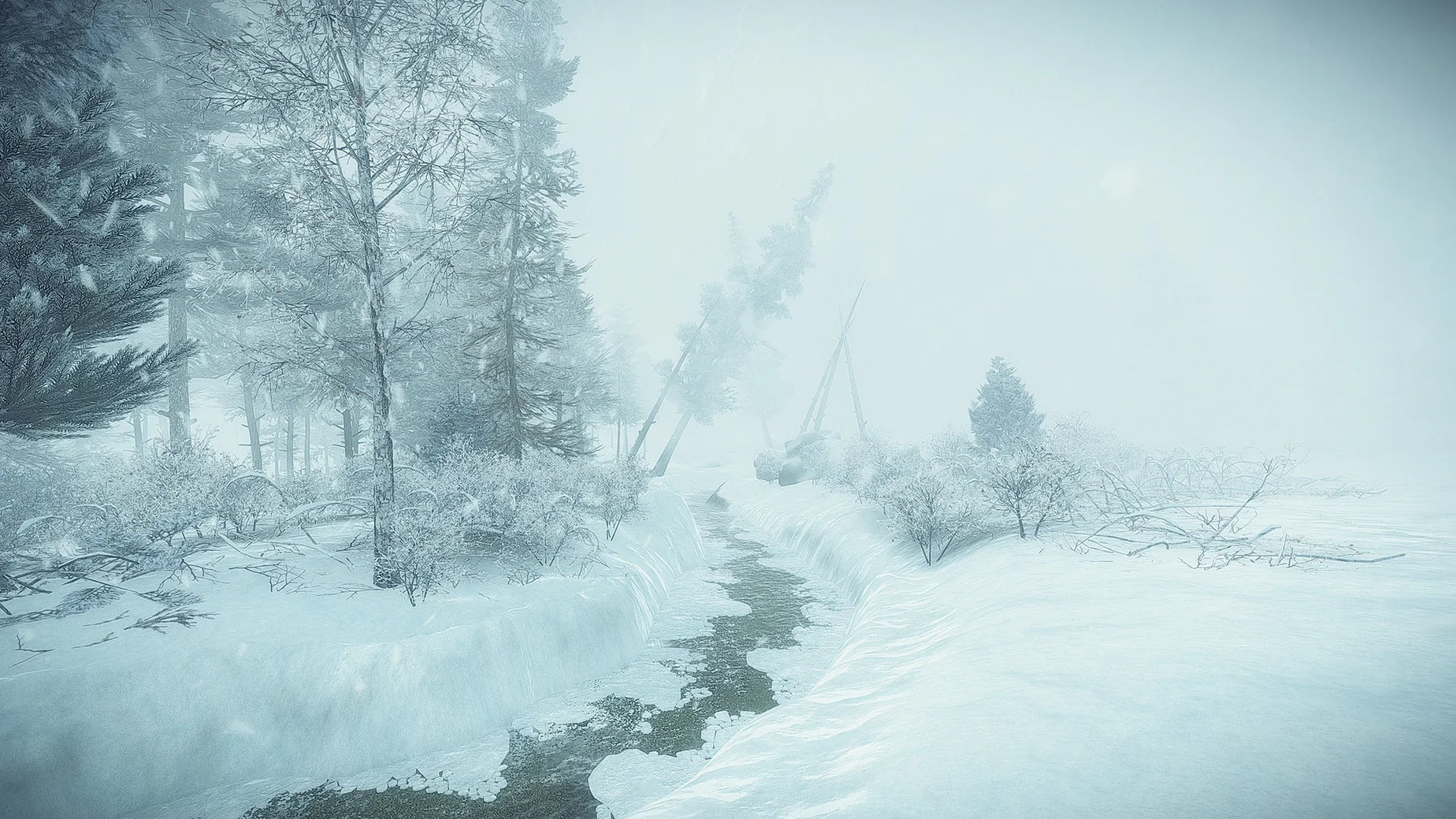
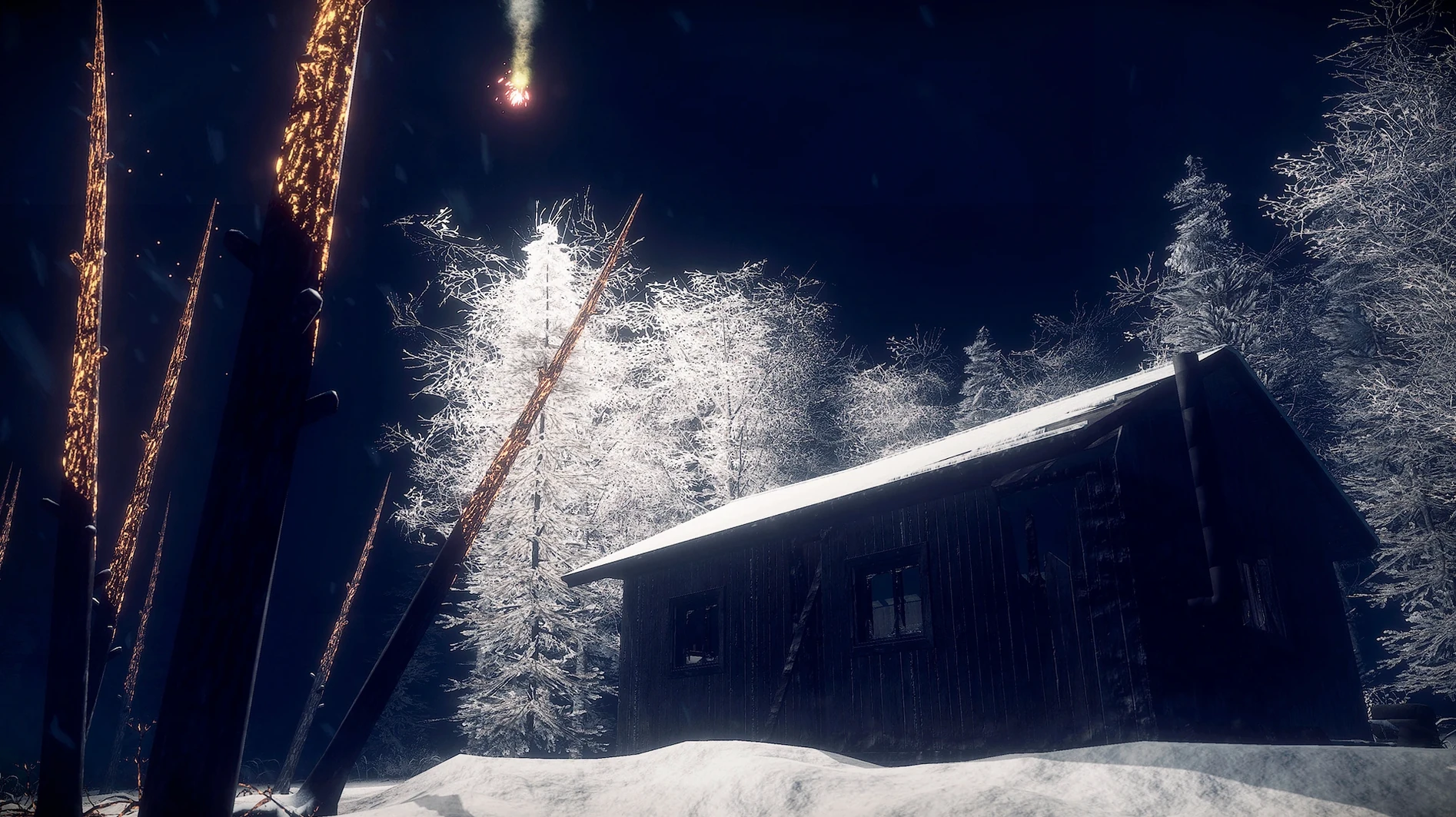
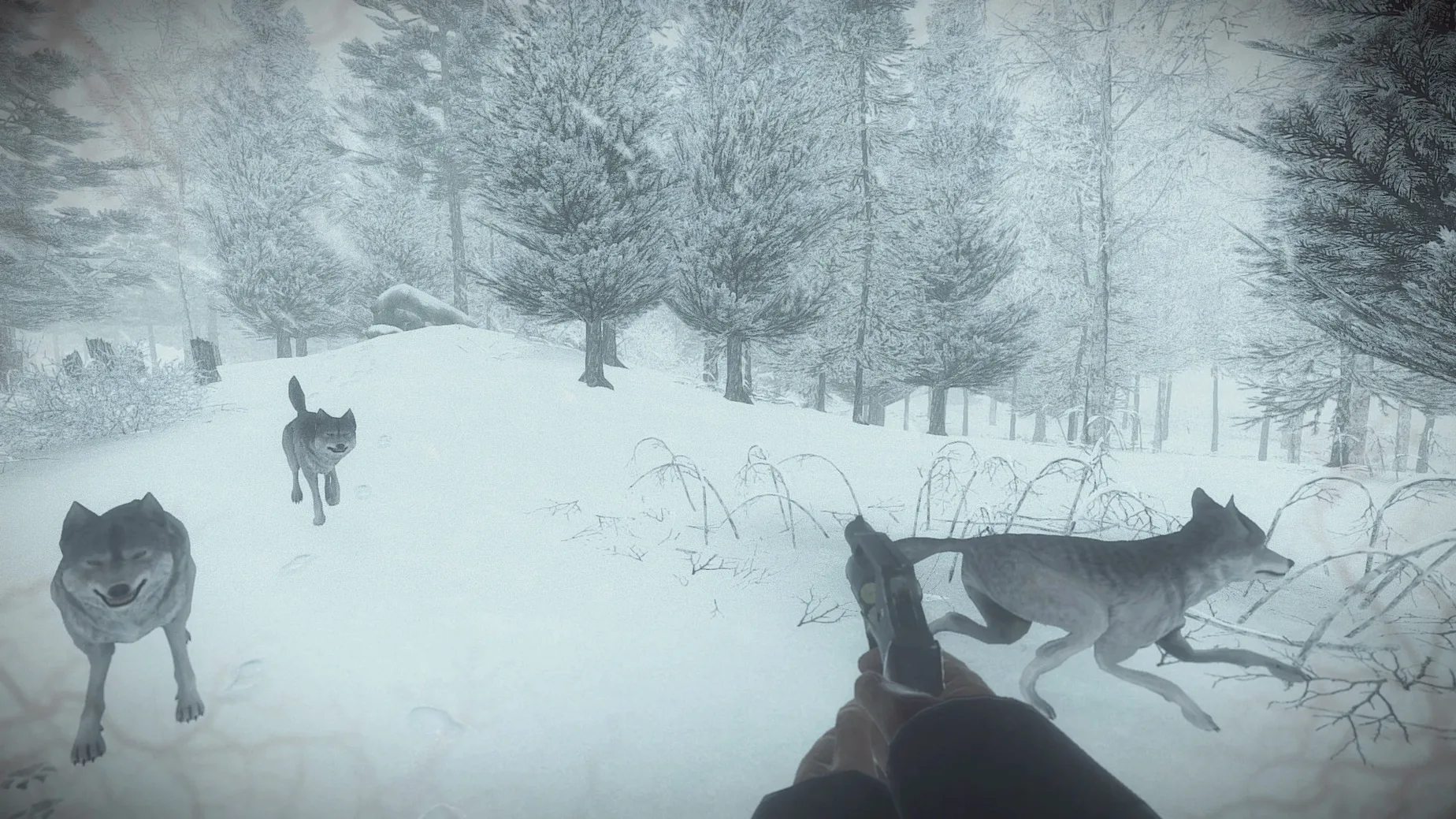
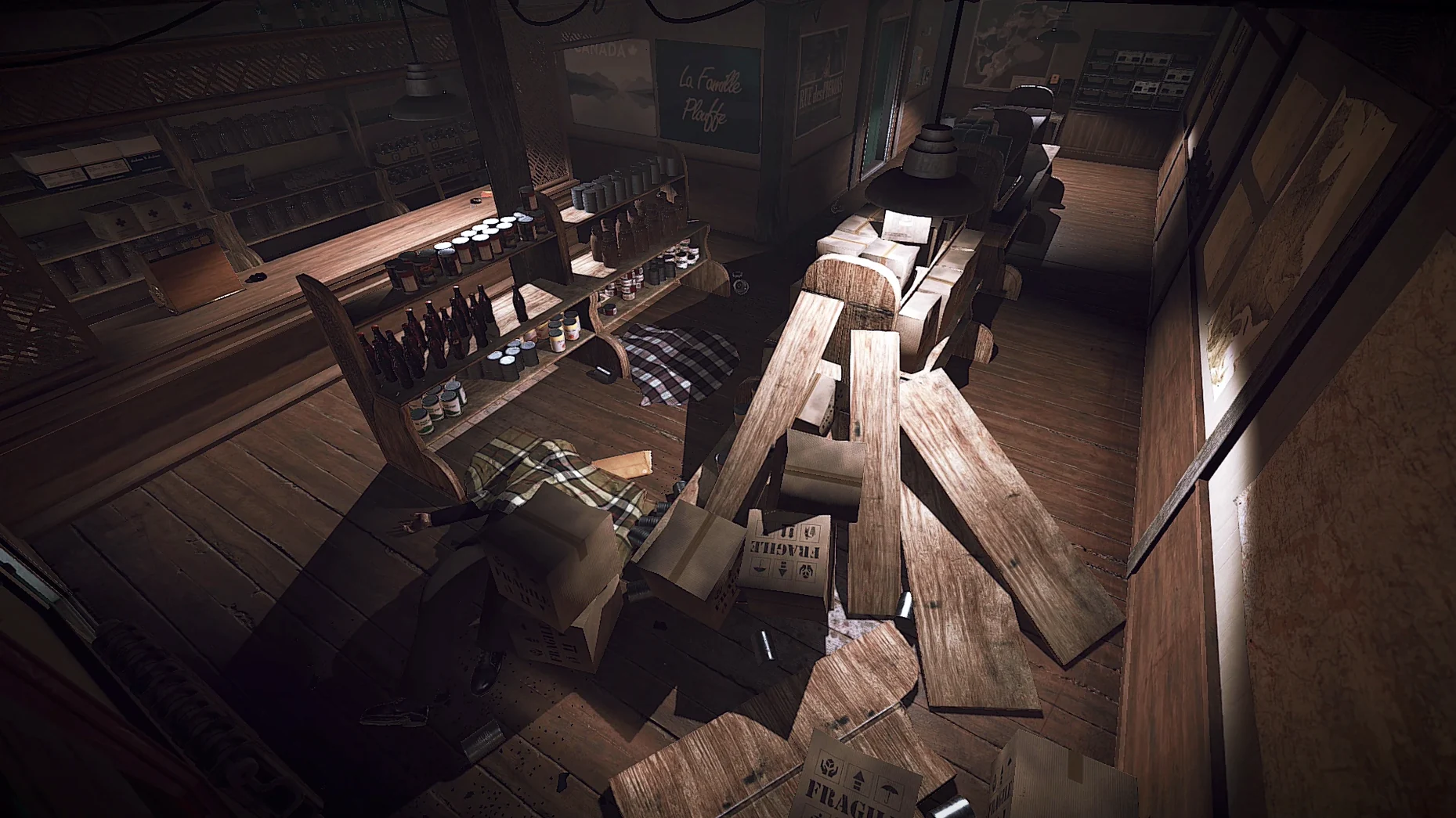
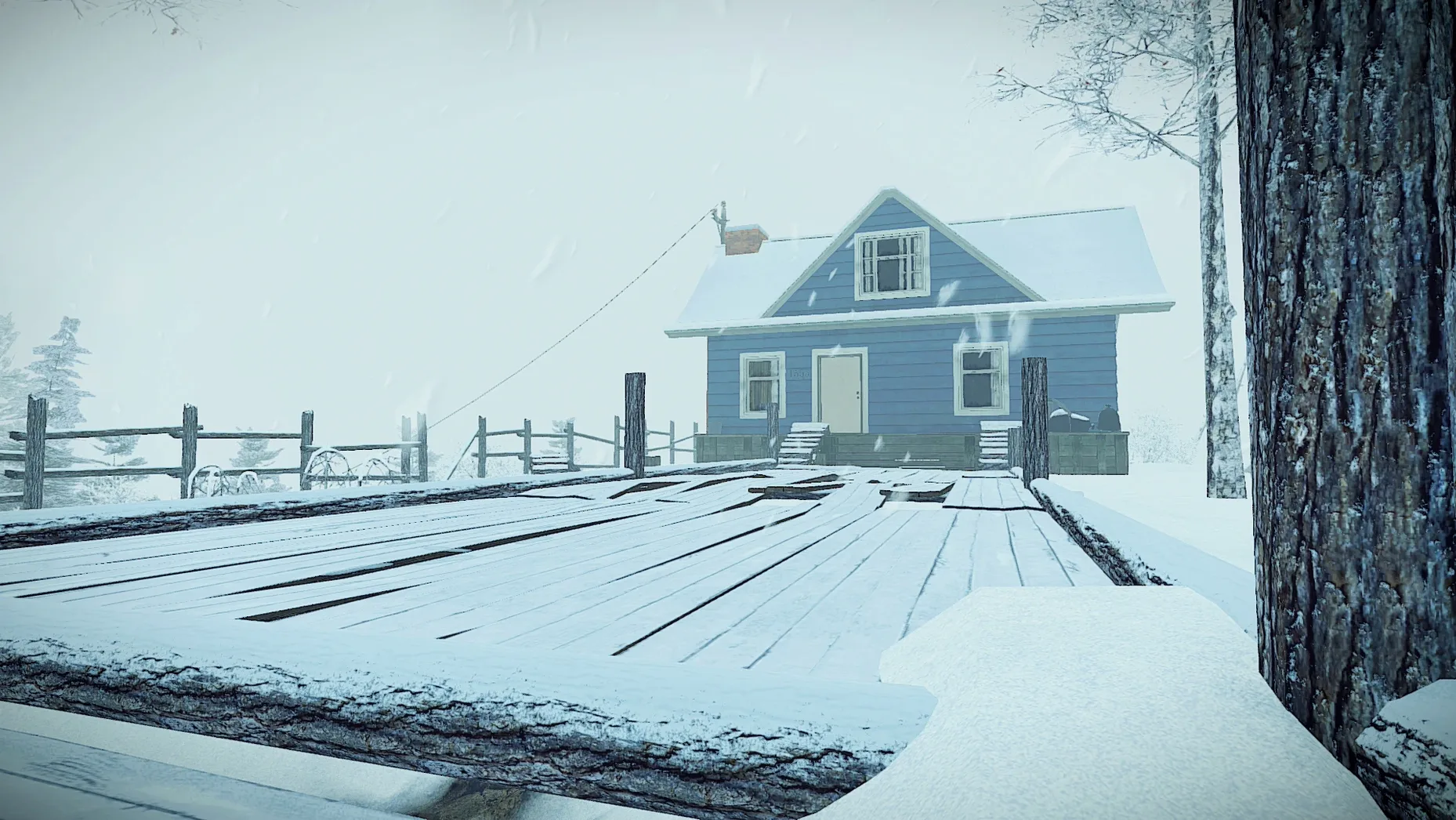
Kona draws in two very specific groups: players who prefer a slow-burn mystery solved with maps, notes, and observation, and those who value a strong sense of place over constant action. If you play for tight gunplay or crafting-tree progression, you may feel it pulling against you.
Who will it click with?
Anyone who enjoys piecing together a story from physical clues found in snowed-in cabins and deserted sawmills. The third-person omniscient narrator gives it the feel of a rural Quebec novel translated into a walkable world.
Does hunger actually kill you here?
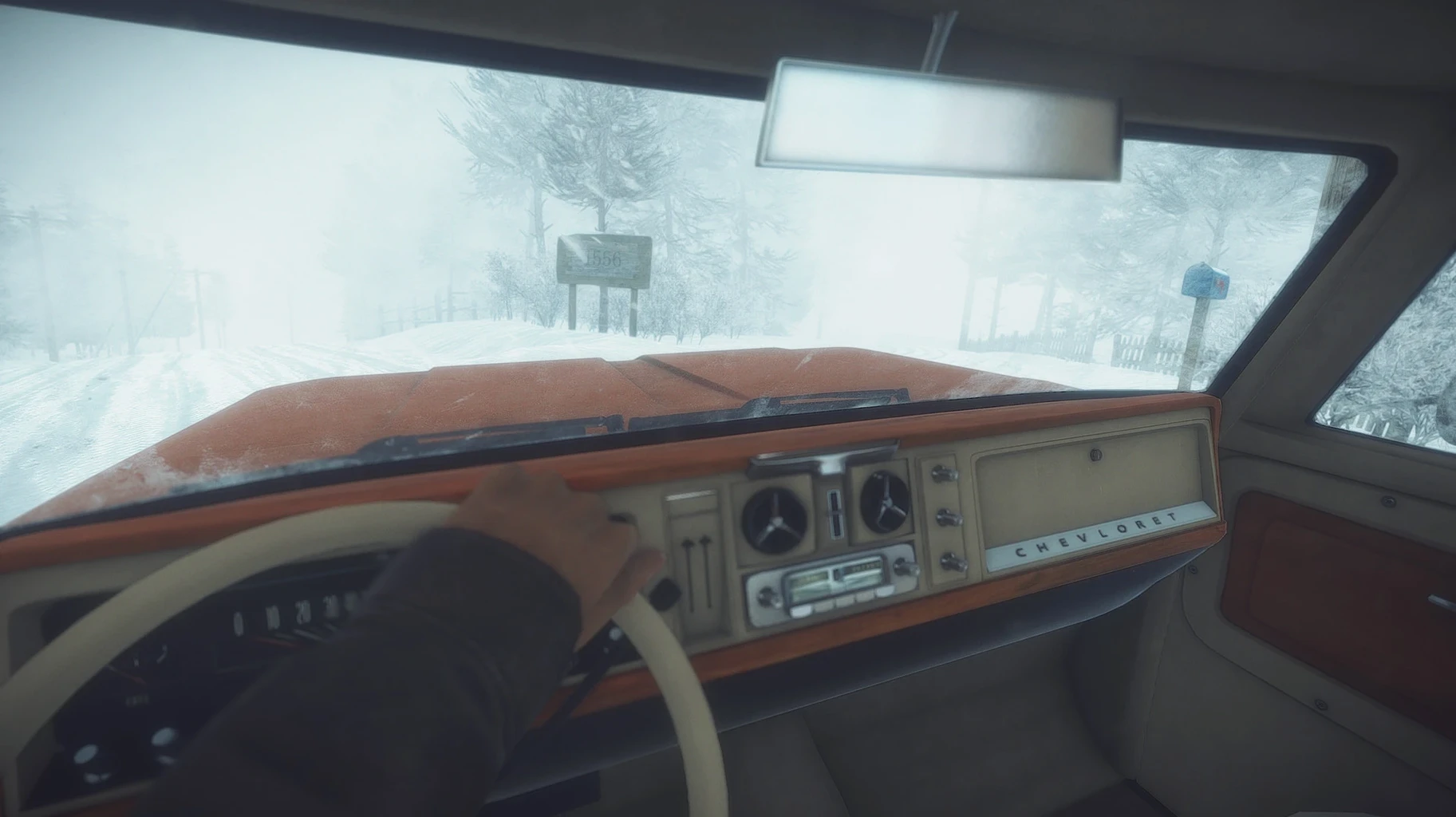
Players expecting a pure survival sim. Hunger and cold exist, but they're narrative pressure, not a systems challenge. Combat is sparse, and the driving physics are deliberately old-truck clumsy — charming for some, a friction point for others.
What kind of atmosphere are we talking about?
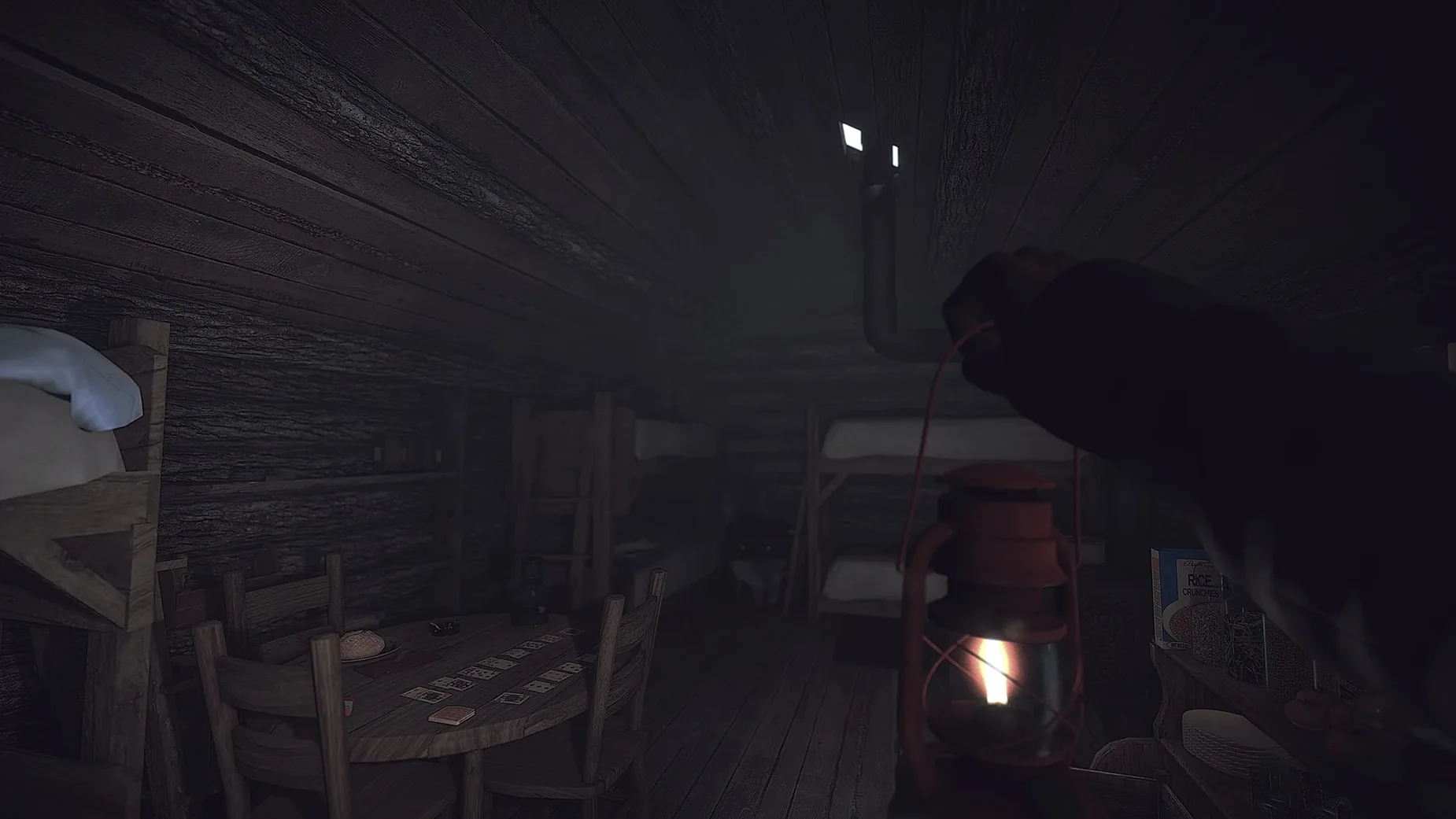
Isolation, heavy snow, and a 1970s rural-community look backed by a folk soundtrack from CuréLabel. The game runs natively on Apple Silicon, so the stark, wind-driven soundscape comes through without a Rosetta translation layer in the way.
How is the story delivered?
A detached, omniscient narrator tells you what detective Carl Faubert sees and feels, which keeps the tone literary rather than cinematic. It's a structure that rewards reading every journal page you find.
Why it feels less like Firewatch than you’d expect
Stack Kona beside Firewatch and you see two games built around a lone protagonist in a wilderness, but the engines driving them differ. Firewatch runs on dialogue — your relationship with Delilah is the story. Kona leans harder on physical investigation and a narrator who keeps emotional distance. Where Firewatch is a talker, Kona is a reader.
The Long Dark shares the Canadian winter and survival mechanics, yet it's a systems-first sandbox. You manage calorie counts, windchill, and wolf avoidance with spreadsheet-level granularity. Kona borrows the cold and the danger but treats them as atmosphere and pacing tools, not the main event. If you bounced off The Long Dark because you wanted a plot with an ending, Kona fills that gap.
Everybody's Gone to the Rapture comes up in discussions about omniscient narration, though it trades snow for a sun-drenched English village. Both games ask you to walk through a story that's already happened, piecing it together from what was left behind. Kona gives you a vehicle, an inventory, and occasional threats — it's less meditative, more grounded in physical survival, but the narrative DNA overlaps.
A player scenario: the archivist type
Picture someone who plays with a physical notebook nearby — not for puzzle solutions, but to map relationships between the people whose cabins and campsites they search. This player reads every letter twice. They notice when a name in a hunting log matches a name on a clinic intake form found three hours earlier. For them, Kona's real game loop isn't driving or scavenging; it's building a mental corkboard of Atamipek Lake's residents in late 1970, understanding who owed whom money, who was sick, and who suspected something was wrong before the blizzard hit. The survival meters are background noise — a reason to hurry between locations, not a challenge to optimize.
A workflow: solving a camp from start to finish
Say you arrive at a frozen lumber camp with no map marker telling you what to do next. Here's a workflow that fits how Kona rewards methodical play:
- Secure the vehicle. Park close to a landmark — a stacked log pile, a fuel cache — and leave the headlights on if it's dusk. The truck is your mobile inventory; losing track of it in a whiteout costs time and warmth.
- Sweep the perimeter. Walk the camp's edge before entering any building. Look for footprints (they persist in snow), dropped tools, or blood trails that the narrator might comment on. Snap a mental note of how many structures are accessible.
- Enter the warmest-looking building first. Check for a wood stove. Light it immediately if you have matches and fuel — it becomes your safe point for reading documents without the cold meter creeping down.
- Photograph and collect. Grab every note, photograph, and key. Kona stores photos in a dedicated journal tab; use it to cross-reference faces with names mentioned in letters. If a document mentions a location, check your map and mark it mentally — the game won't place a waypoint for you.
- Chain the clues. Before leaving, open the journal and read everything from this camp in sequence. The narrator often triggers new observations when you've gathered a critical mass of evidence from one area. If nothing triggers, one building may still be locked — check for a key you missed.
- Resupply and move on. Top off the truck's gas if a can is nearby, eat something, and check the map for the next logical destination based on what you just learned. The blizzard worsens as the story progresses; clearing camps thoroughly early pays off later.
This loop — arrive, sweep, heat, document, chain, resupply — repeats across every location. It's slow, but it's how Kona's narrative layers build on each other without the game ever telling you you're making progress.
- macOS 11.0 or later
- Apple Silicon native
$ man kona | grep -A2 "?"
Can I change the spoken or text language?
Yes, you can switch the language in the game settings — the build includes Russian, English, German, Spanish, Simplified Chinese, and French.
Comments 0
Sign in or create an account to leave a comment.
No comments yet. A codec, a slice, a machine — they appear after moderation.