

Is this Game Trying to Kill Me? for macOS
Why the Wineskin wrapper got retuned for Apple Silicon
The 1.0.11 update ships as a Wineskin wrapper, bundling the Windows build for macOS. The underlying game logic is unchanged, but the packaging itself was tweaked to smooth out launch behavior on Apple Silicon Macs.
What kind of horror are we dealing with?
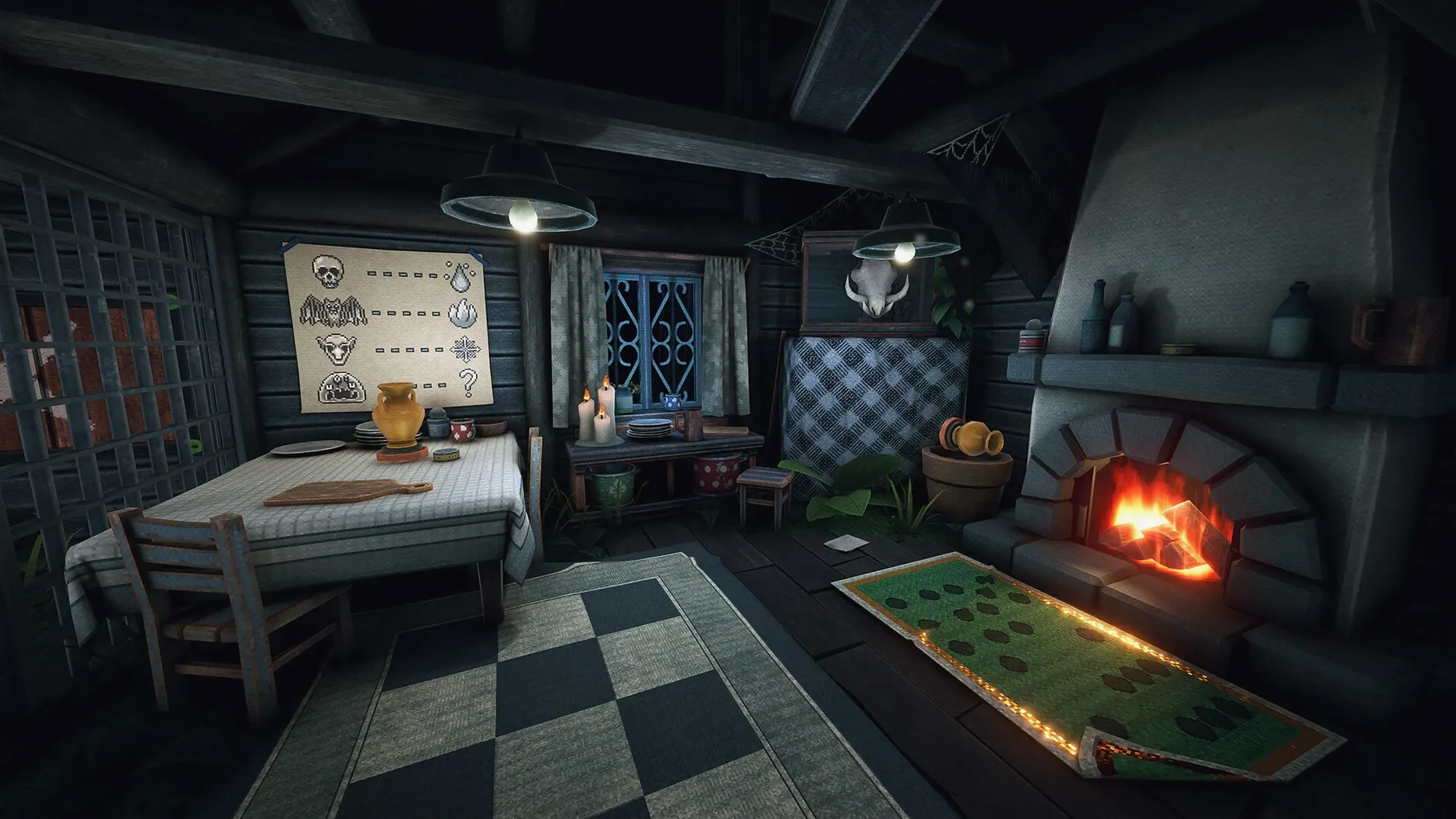
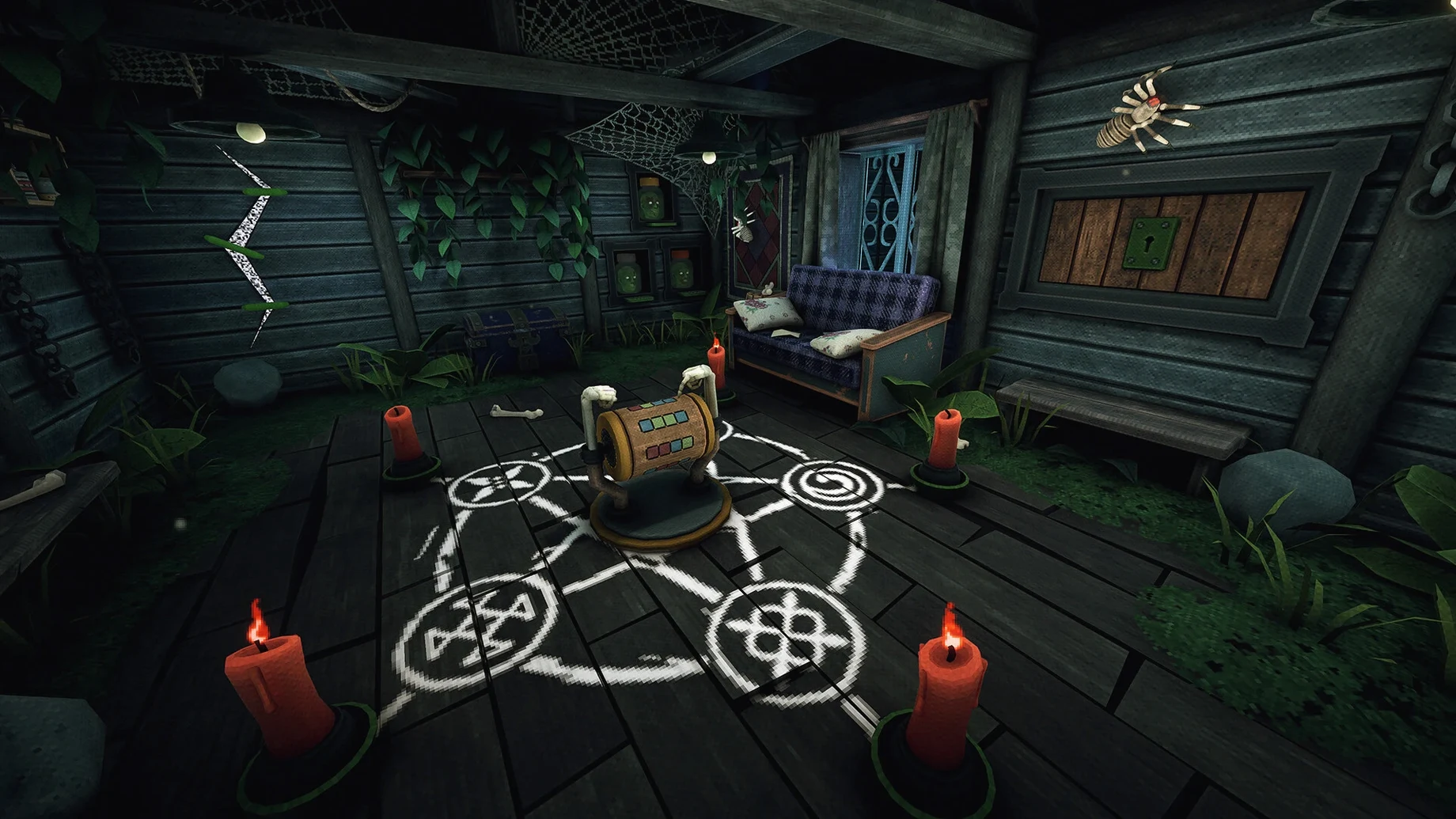
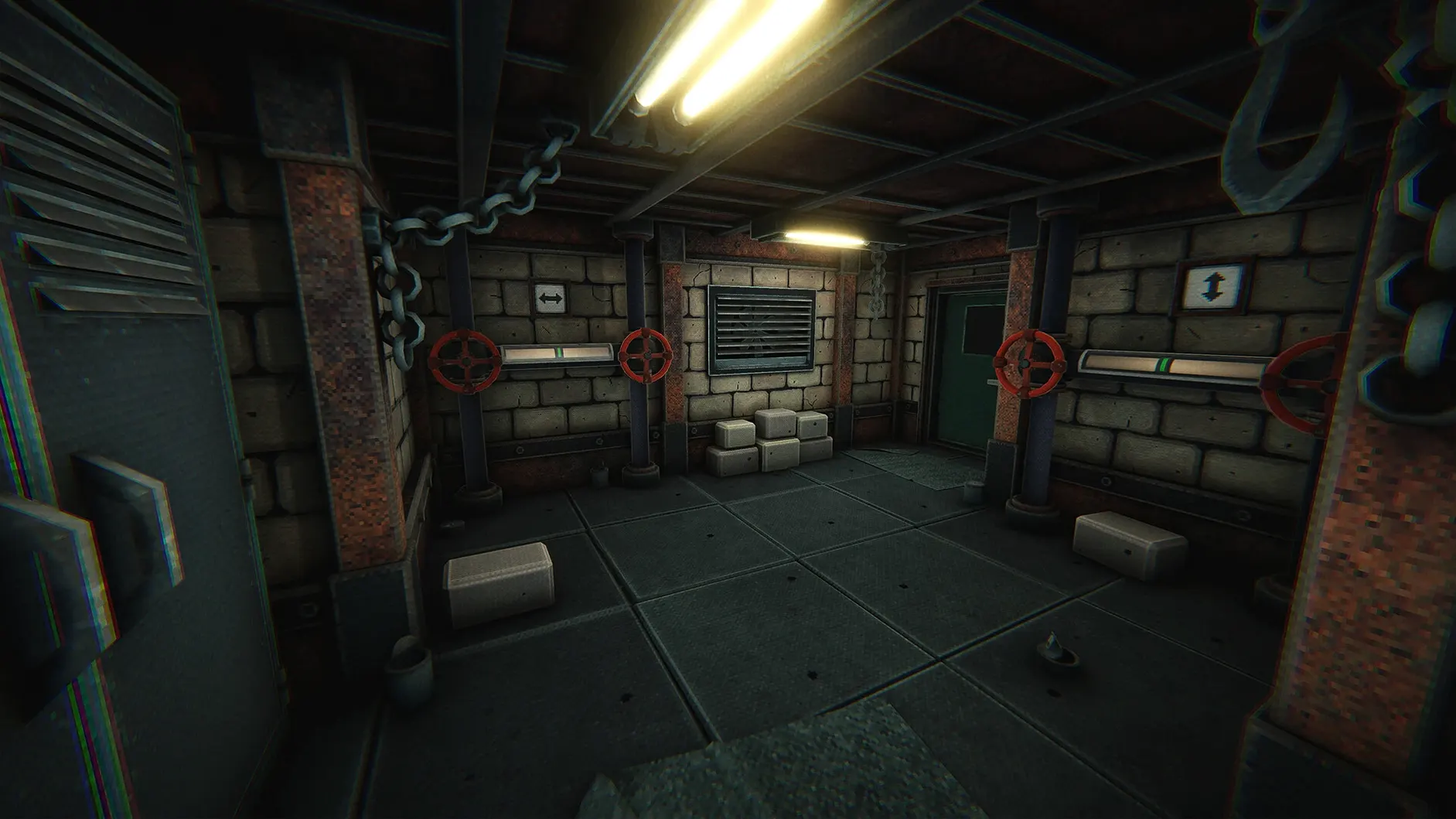
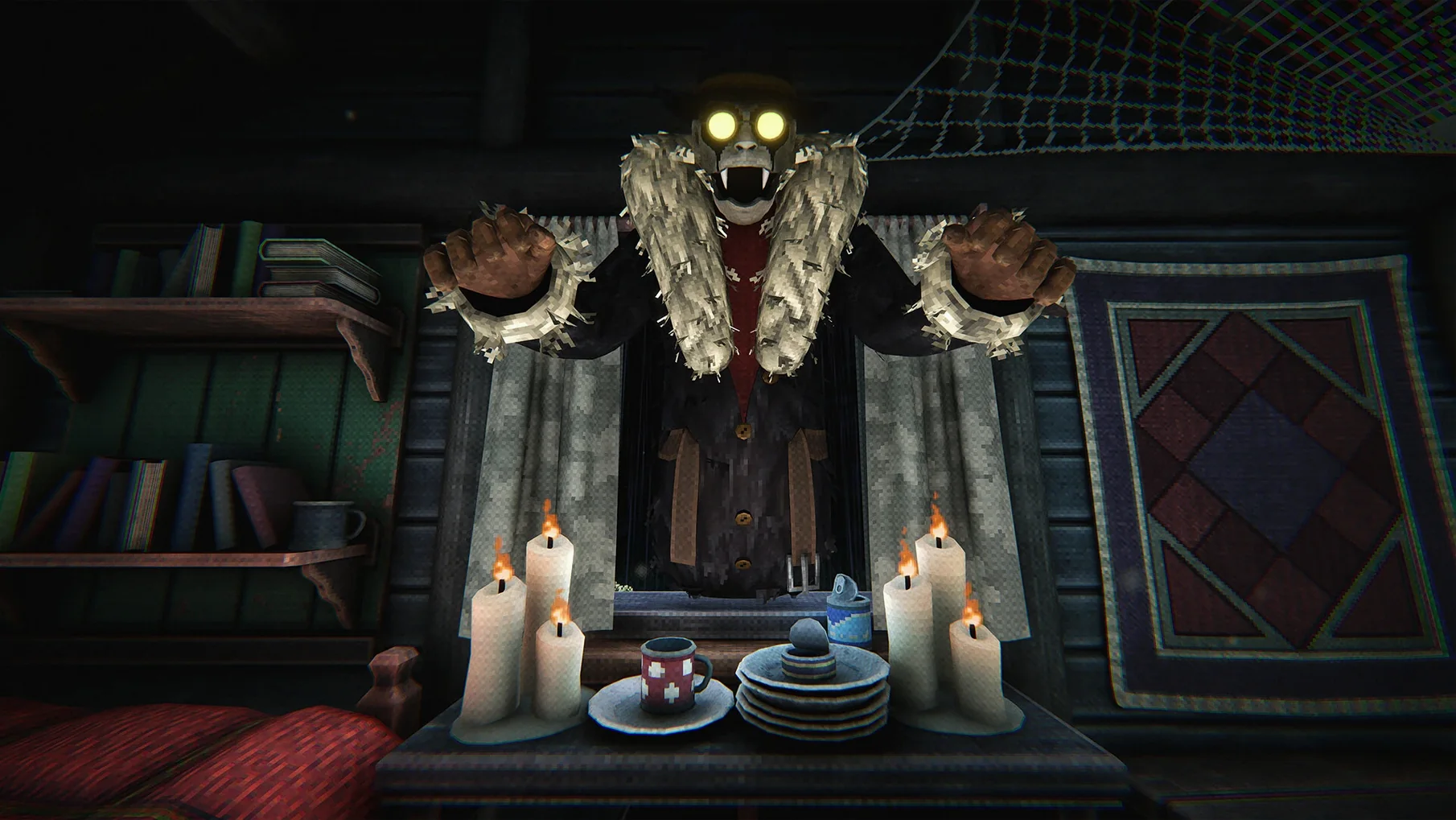
You are stuck in a forest cabin where the computer game you are playing and the room around you start to merge. Traps from the game appear in reality, and actions inside the cabin feed back into the software. Expect a dense knot of first-person puzzling and a long list of death scenes that feed into multiple endings.
Single-core muscle decides your frame rate in the wrapper
The .dmg delivers a Wineskin-wrapped app built for Apple Silicon. Performance hinges on your chip's single-core throughput since the wrapper translates DirectX calls on the fly. On an M1 or later, frame rates stay smooth at the default resolution; integrated GPUs handle the stylized 3D environments without breaking a sweat.
USB mouse plugs straight into the WASD scheme
Standard FPS input: mouse look, WASD movement, and context-sensitive clicks for interacting with objects. The wrapper maps these directly, so no special driver or input remapping is needed — just plug in a USB mouse if you are on a MacBook trackpad for better precision during the puzzle sequences.
A session inside the cabin
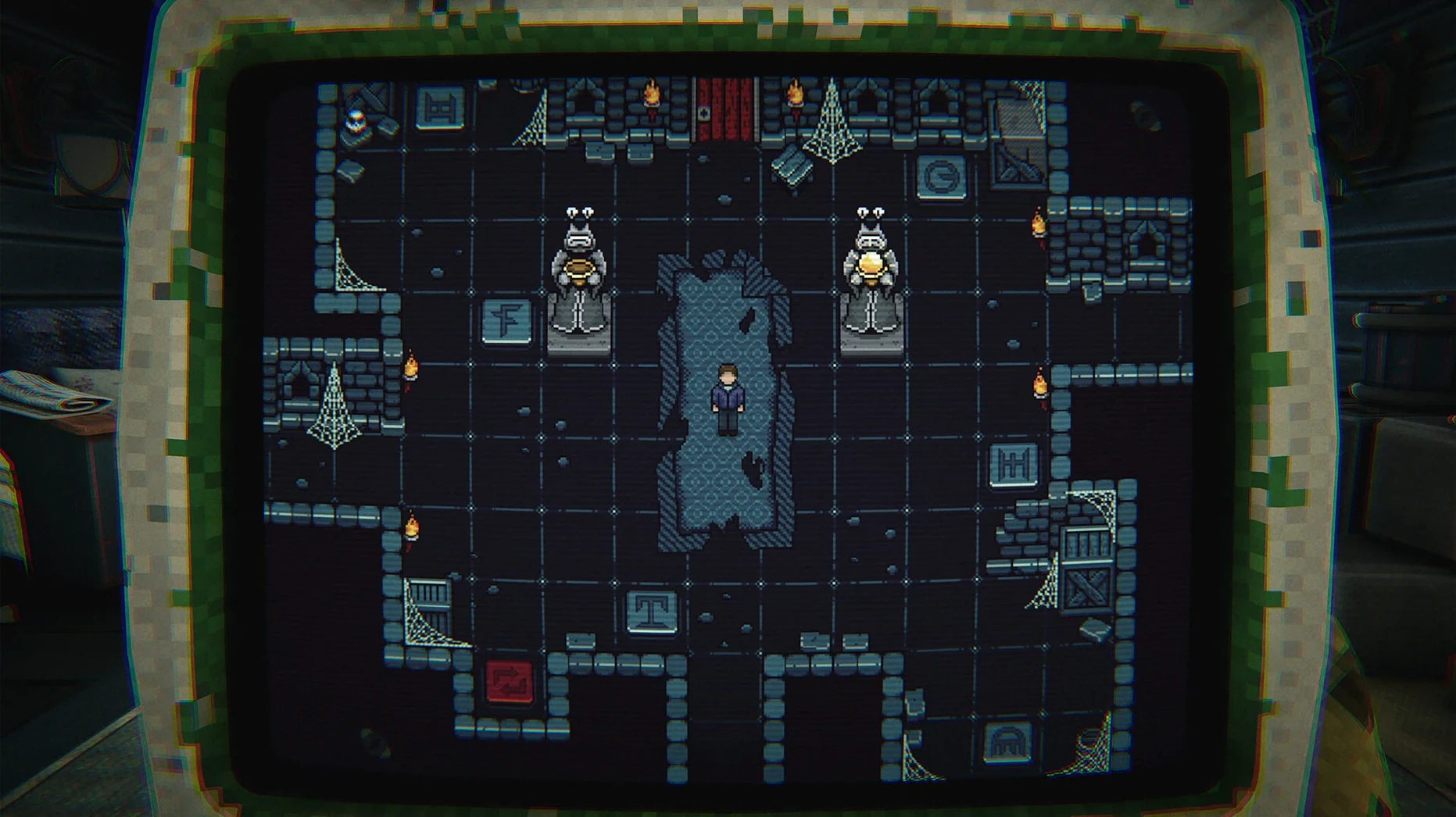
The first five minutes feel like a tutorial for a retro adventure game you found on a floppy disk. You click around the cabin, pick up a key, examine a drawer, and eventually boot up the PC sitting in the corner. The in-game computer greets you with a chunky UI and a title screen that mirrors the one you launched from your Mac. The meta layer clicks into place immediately — you are playing a game about playing a game, and the cabin's owner has rigged both.
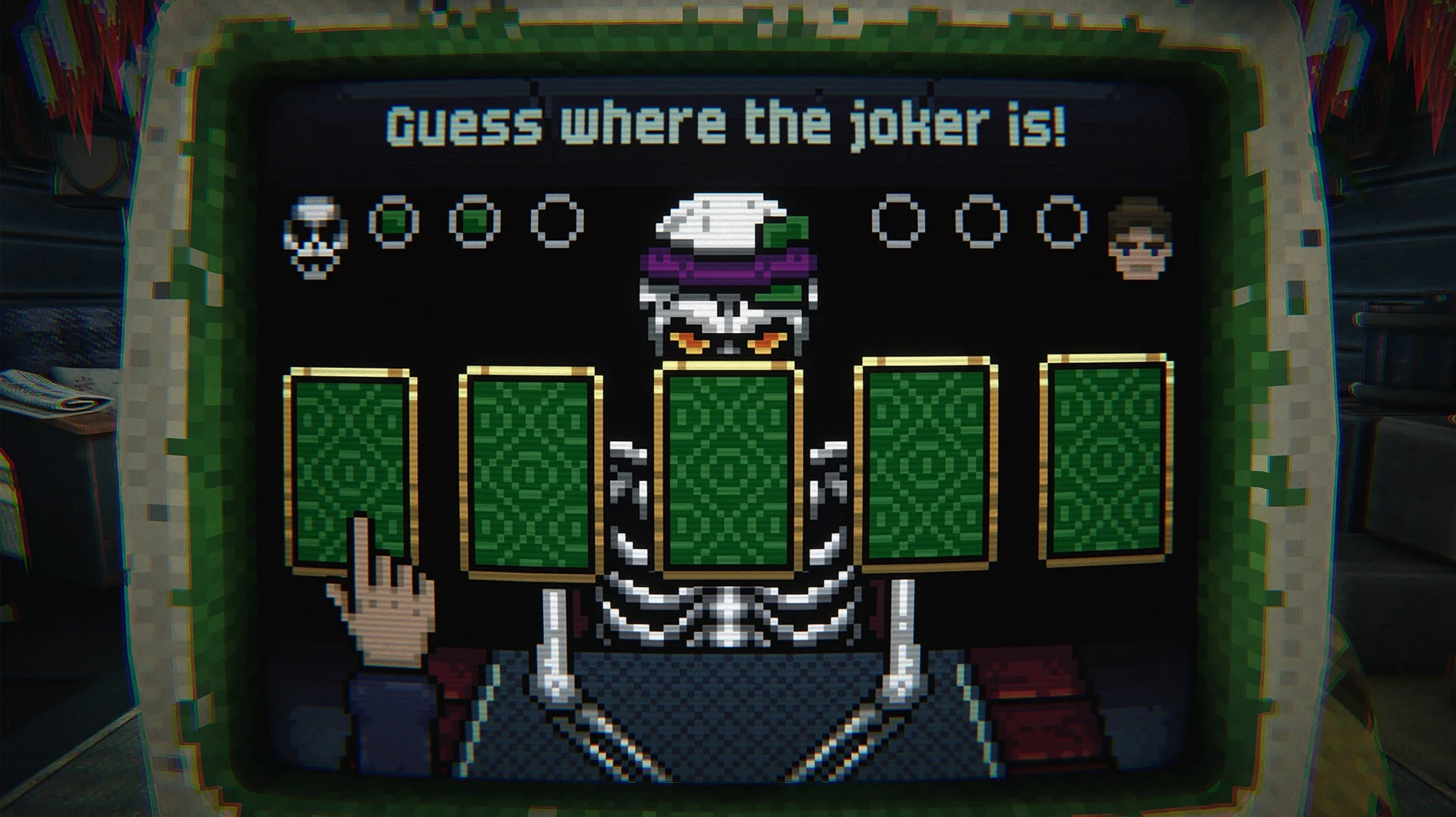
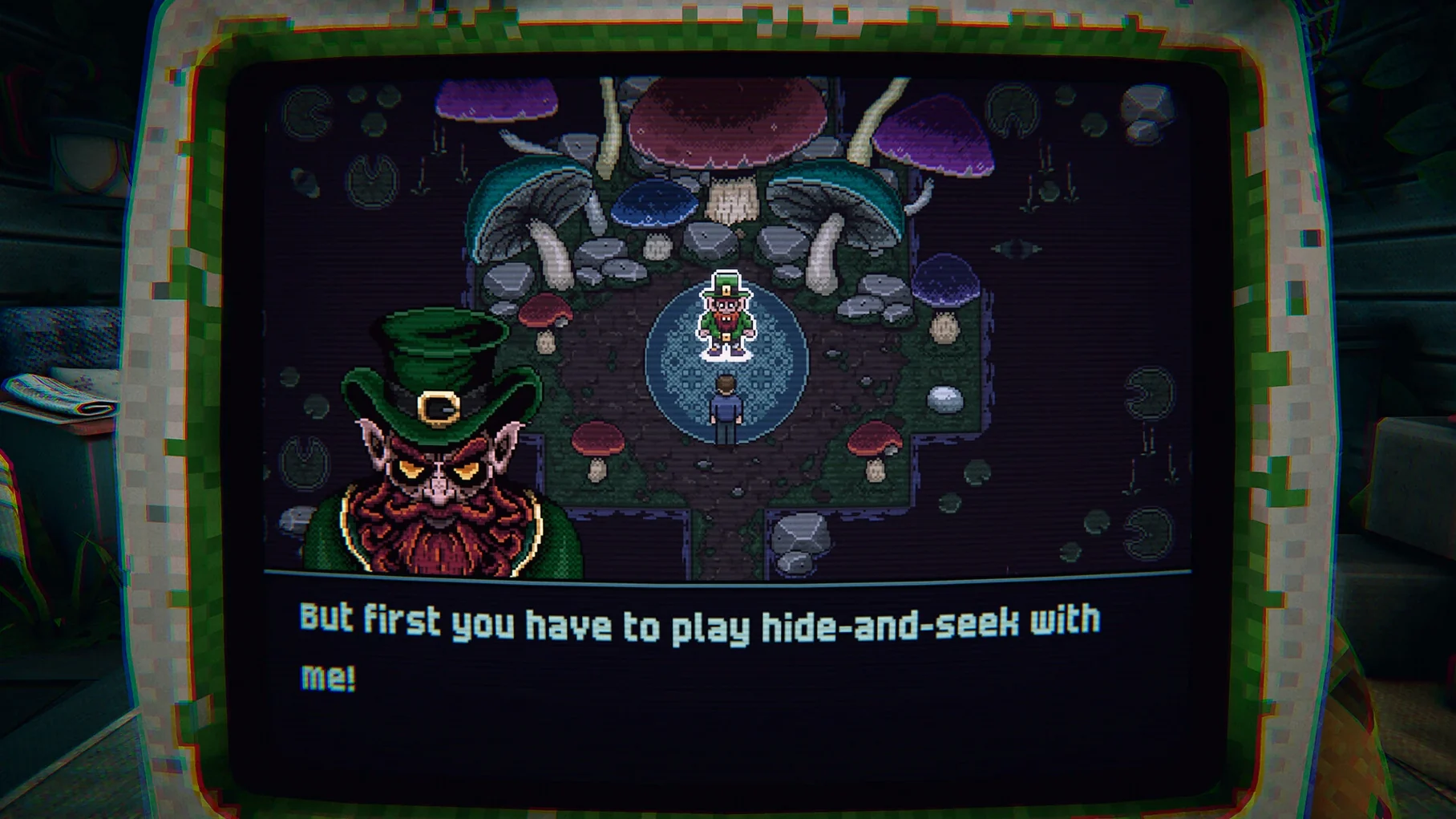
A typical session flows like this: you solve a puzzle on the cabin's PC, maybe moving crates across a pixel-art basement, and the reward is a real-world event. A drawer slides open behind you. The floorboards creak in a new spot. You step away from the screen, investigate the actual room, and find a new clue or tool. Then you carry it back to the computer and feed it into the virtual world. The loop is tight — about ten minutes per cycle if you are paying attention, longer if you keep dying.
Death is a mechanic here, not just a fail state. Traps trigger when you misread an environment cue or rush through a sequence without checking both realities. One moment you are dragging a bookshelf to reach a high vent, the next you spring a tripwire that snaps a bear trap shut on the cabin floor. The screen flashes red, the game logs the death, and you respawn with the knowledge of what that particular hazard looks like. It is a trial-and-error rhythm — frustrating if you want clean progression, satisfying if you treat each death as a note in a grisly field journal.
By the midpoint, you start tracking two maps in your head: the cabin layout and the in-game dungeon. They overlap in ways that are not always obvious. A locked door on the PC leads to a section that, once cleared, unlocks the actual basement hatch. You learn to leave sticky notes — real ones, on your desk — because the game never marks objectives for you.
Stories Untold meets a single unbroken haunt
If you have played Stories Untold, the text-adventure-meets-environmental-puzzle structure will feel familiar. Both games mess with the boundary between player and interface, but Is this Game Trying to Kill Me? pushes the concept into a single continuous space instead of hopping between episodes. Stories Untold keeps its horror in the text parser; here the threat walks into the room with you.
Compared to Inscryption, another game-within-a-game that twists its own rules, Stately Snail's title is less about card mechanics and more about spatial logic. Inscryption hides its meta-story behind deck-building; this one hides it behind first-person exploration and trap avoidance. Both reward players who enjoy being outsmarted by the developer, but the puzzle density here is higher per square foot of game space.
The Cabin Factory (a mac torrent regular for those hunting short horror experiences) shares the same claustrophobic one-room premise, though it leans harder into jump scares and atmospheric dread. Stately Snail's game wants you to think, not just flinch. The multiple-endings structure gives it more replay legs, whereas The Cabin Factory tends to wrap up in a single sitting.
Ignoring the in-game PC locks the cabin for twenty minutes
The biggest mistake is treating the in-game PC as a separate minigame you can ignore. Beginners often spend twenty minutes combing the cabin for a key that does not exist yet, because the virtual world has not been advanced far enough. The rule is simple: if you are stuck in one reality, push the other forward by one screen.
Another common error: not looking behind you after solving a puzzle. The game uses audio cues — a latch clicking, a soft thud — but no visual marker. Players with the volume low or music playing over the game miss these entirely and stand there waiting for something to happen. Keep headphones on and listen for the cabin's feedback.
Save scumming does not work the way you might hope. The game autosaves after major events, and some deaths are not undoable — they are required to unlock certain endings. Restarting to avoid a trap can lock you out of a branch entirely. Is this game trying to kill me? is a question you should answer with "yes, and I need to let it."
- macOS with Apple Silicon (M1 or later)
Comments 0
Sign in or create an account to leave a comment.
No comments yet. A codec, a slice, a machine — they appear after moderation.