
Mini Motorways for macOS
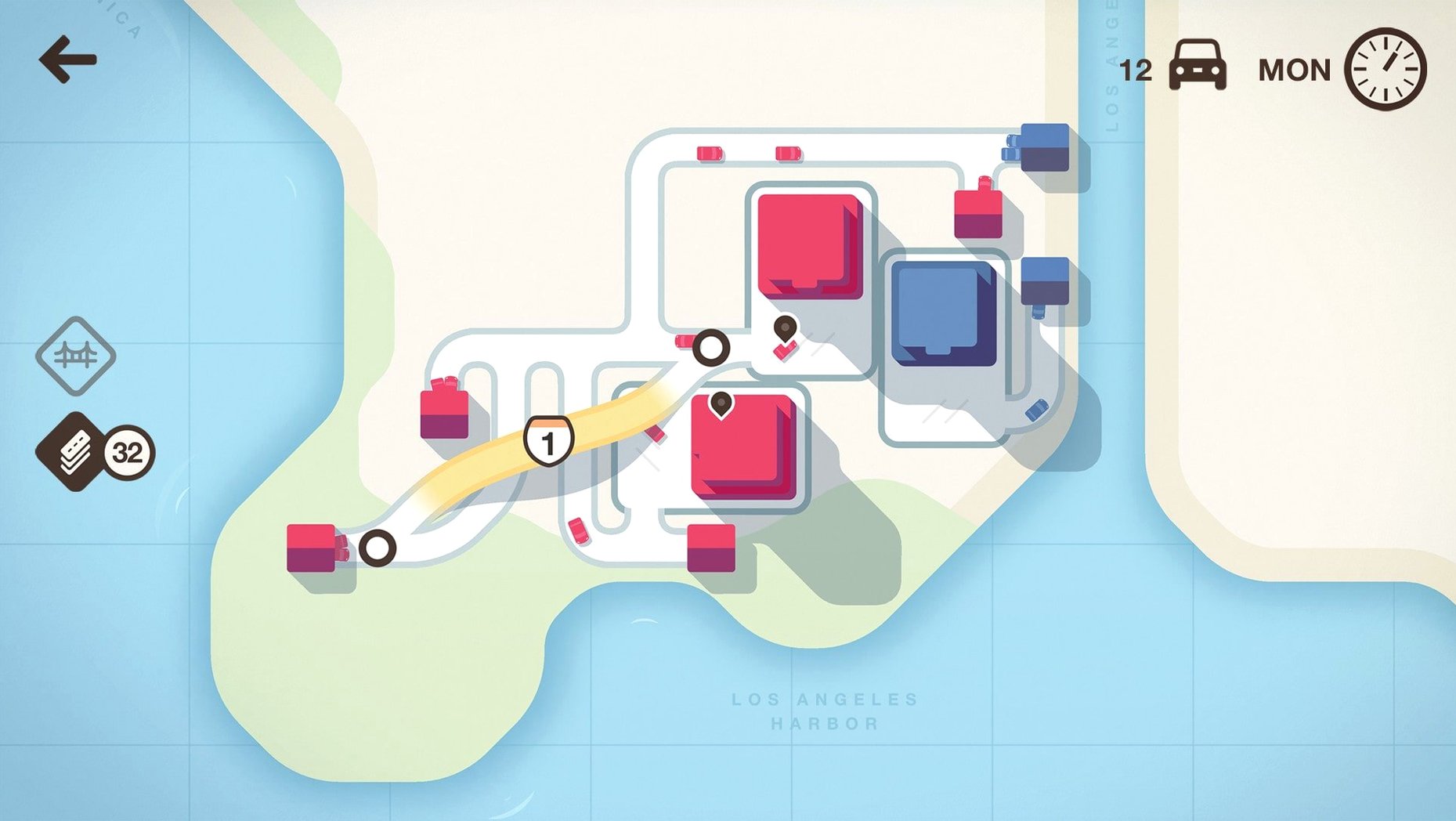
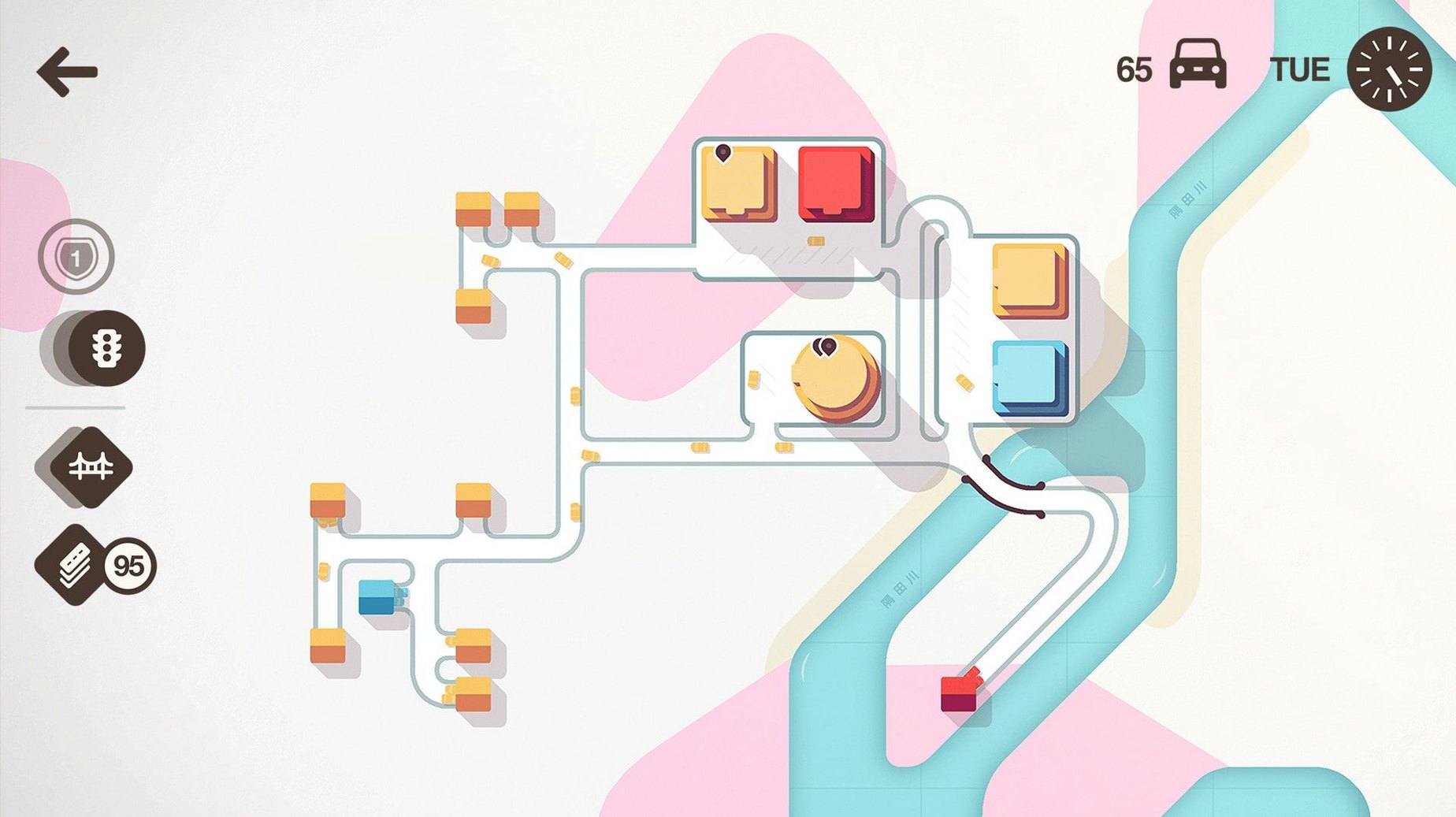
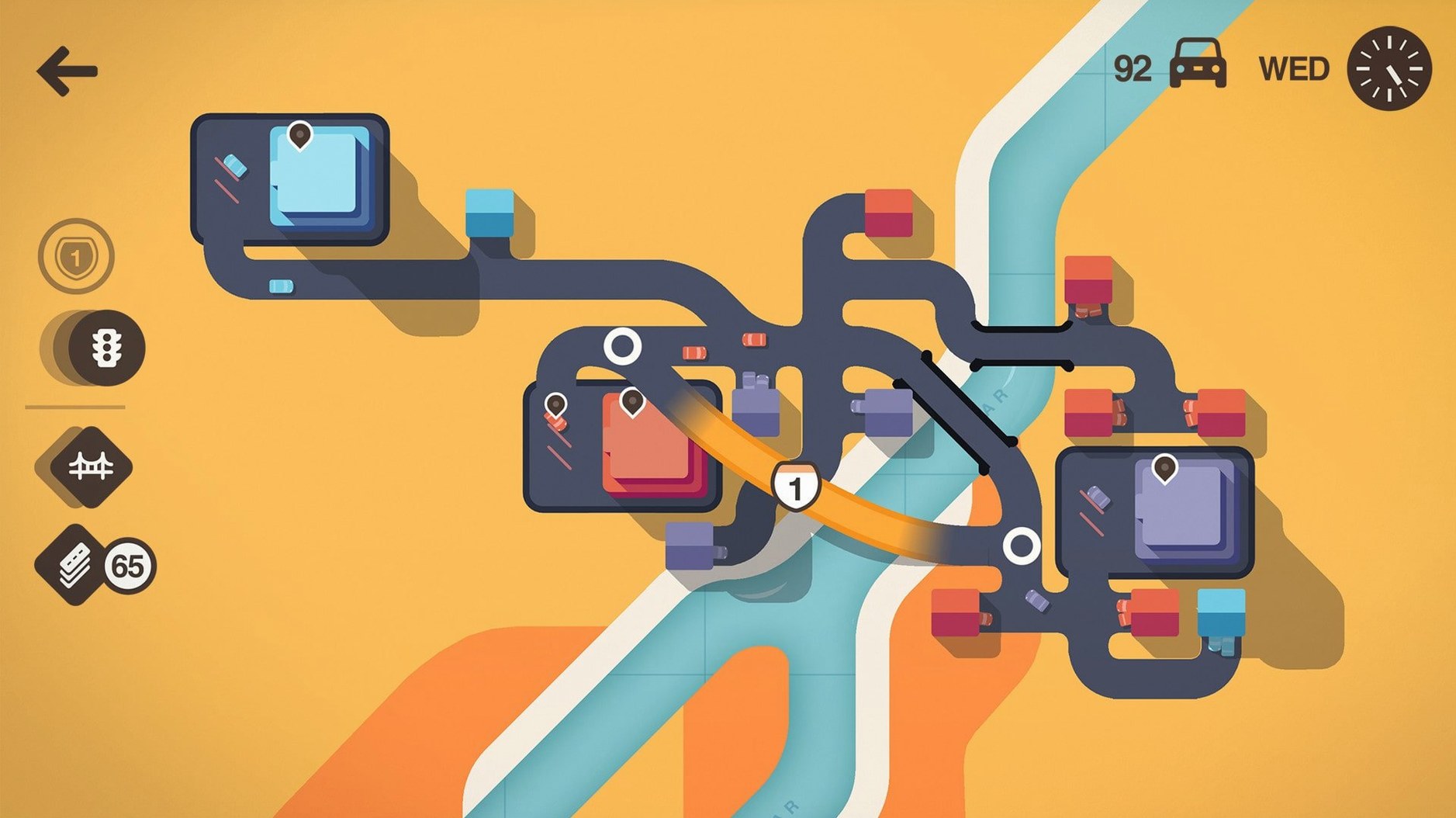
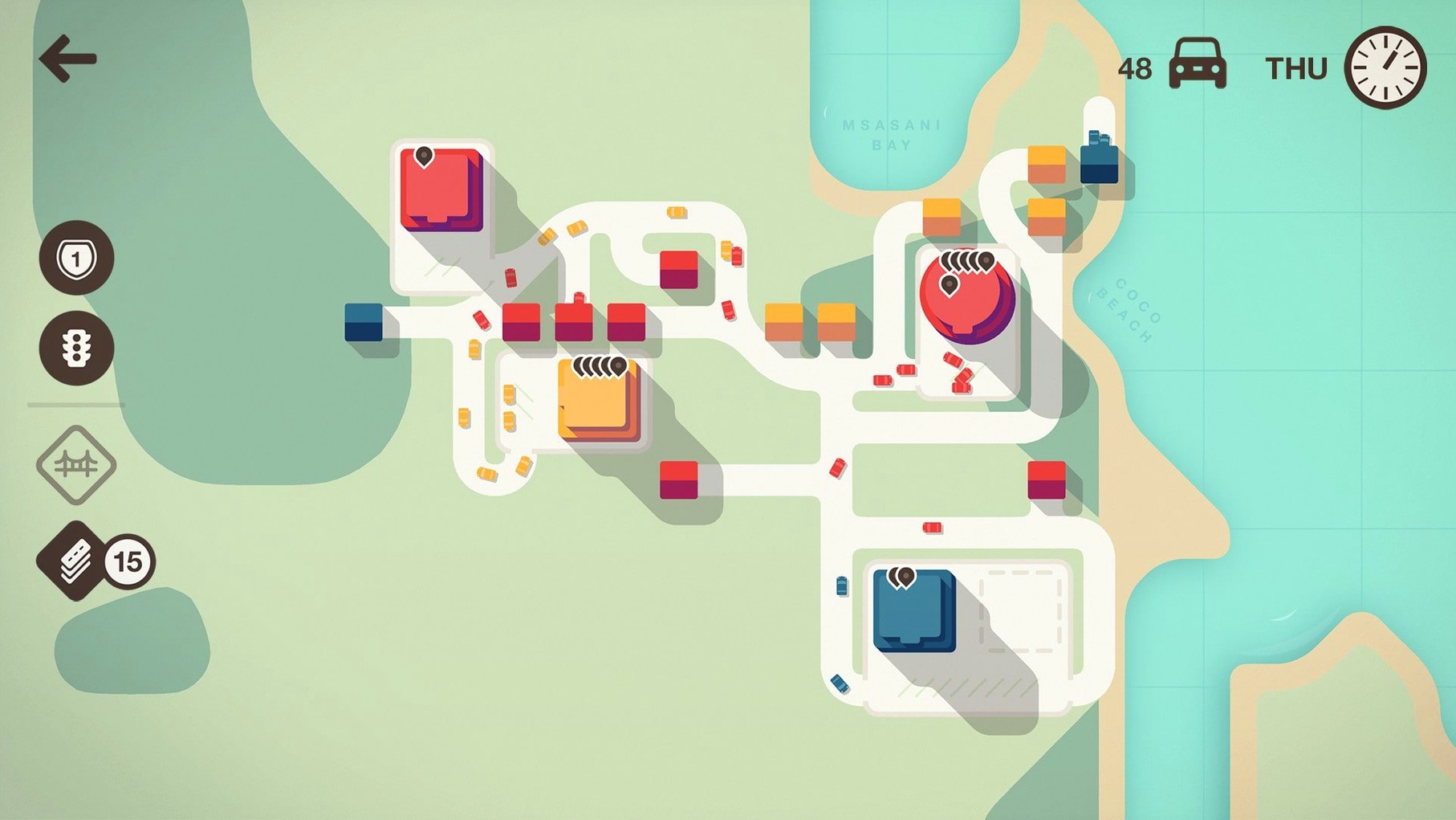
Each session begins with a single house and a single destination, and from that seed a city grows dynamically—no two playthroughs ever unfold the same way. Mini Motorways, from the creators of Mini Metro, tasks you with drawing roads to keep the traffic flowing as your metropolis expands. The tools you get are simple, but the emergent complexity is what makes it tick.
- The core draw-and-pave mechanic, where road networks are built week by week to connect color-coded homes to matching businesses.
- A set of upgrade tools, including traffic lights, roundabouts, and bridges, to manage bottlenecks as demand spikes.
- Highways—limited, placeable long-range links that let you bypass clogged city centers entirely.
- The full original soundtrack by Disasterpeace, whose adaptive audio shifts with the pace of your city.
- Over a dozen interface languages, including Arabic, Japanese, and Brazilian Portuguese.
- A universal binary that runs natively on both Apple Silicon and older 64-bit Intel Macs.
It is a game about watching your own carefully laid plans buckle under pressure, then finding one more tweak to keep the grid alive a little longer.
Why cars won't spawn when roads touch a building
One of the first things new players do is lay roads right up against a building's entrance, then wonder why cars won't spawn. Buildings need a one-tile gap—the game treats the entrance tile as part of the structure, so a road flush against it blocks the connection. Delete that last segment and leave a tiny stub; the cars will start rolling.
Another frequent headache is the sudden death spiral when a single pin gets stuck. A car drives to a mall, the mall fills up, and the car has nowhere to go. The fix feels counter-intuitive: demolish the road behind it. The car despawns, the pin clears, and the building gets a fresh supply run. You lose one car, but you save the intersection.
Traffic lights get placed on intersections and forgotten, but they're best used sparingly on four-way junctions where two busy roads cross at right angles. Drop one on a T-junction or a low-traffic crossing and it actually reduces throughput. The same goes for roundabouts—they shine on high-speed single-lane entries, not on every junction you can afford.
If the game refuses to launch after dragging it to Applications, you're probably hitting Gatekeeper. The bundled disk image includes a quick Terminal command that clears the quarantine flag and re-signs the app. Run it once, and the game opens normally from then on.
And a subtle one: motorways can't be drawn across water unless a bridge tile exists. If you're playing on the Tokyo or Manila map and your highway placement keeps failing, check whether you're trying to skip a river crossing without a bridge node in between.
Week one on the Los Angeles map, house to office
You start on the Los Angeles map. Week one drops two dark-blue houses in the northwest and a square office block dead center. You draw a straight road connecting them and unpause. Three cars appear, trundle across the screen, and park. It works. You feel clever.
Week two gifts you a cluster of orange homes in the southeast and a round mall. You drag a new road down from the office district, cross a river with a free bridge, and hook into the orange suburb. For a full minute everything hums. Then a dark-blue pin timer appears over the office—the original road is too long, and cars can't complete the round trip fast enough. You delete a wiggly section, redraw it as a straight diagonal, and the pin clears at the last second.
By week five you've got three color zones overlapping. You spend your first road-tile upgrade on a set of traffic lights at the central junction. It helps, but not enough. A light-blue factory on the west side keeps timing out. You notice the light-blue homes are all on the east side, so every car crosses the same bridge. You grab your one motorway, connect the west factory directly to the east suburb, and watch the bridge pressure drop. The session survives another three weeks before a red office surrounded by mountains finally does you in—you ran out of tiles and couldn't route around the cliff face.
That's the rhythm: build, observe a failure, tweak, buy a few more minutes. The game never pauses to explain this loop; you learn it by losing.
Does it run natively on Apple Silicon and Intel?
The source data for version 1.21.1 doesn't include a detailed changelog, but the build's architecture tells you something practical: it's a universal binary, so you can drop it onto an M4 Mac mini or an old Intel machine without a Rosetta translation layer. That means frame pacing stays smooth even when the screen fills with hundreds of moving cars—no micro-stutter during the late-game zoom-out.
In everyday terms, the biggest quality-of-life shift across the game's post-launch life has been map variety. What started as a handful of city layouts now includes enough real-world-inspired maps that you can pick one that matches your patience level. Wellington and Zürich punish early mistakes hard; Mexico City gives you more breathing room. The addition of color modes like night mode changed how some players approach long sessions—reducing eye strain during those two-hour runs where you're determined to beat your personal best.
The adaptive Disasterpeace score also got subtler over time. In early builds it was more reactive to city size alone; now it layers in intensity based on how many pins are currently flashing. You'll hear the difference in the last thirty seconds before a game over, and that audio cue has become a real strategic signal for experienced players—a kind of early-warning system you feel before you see.
- macOS (runs natively on both Apple Silicon and 64-bit Intel Macs)
Comments 0
Sign in or create an account to leave a comment.
No comments yet. A codec, a slice, a machine — they appear after moderation.