Pillars of Eternity II: Deadfire for macOS
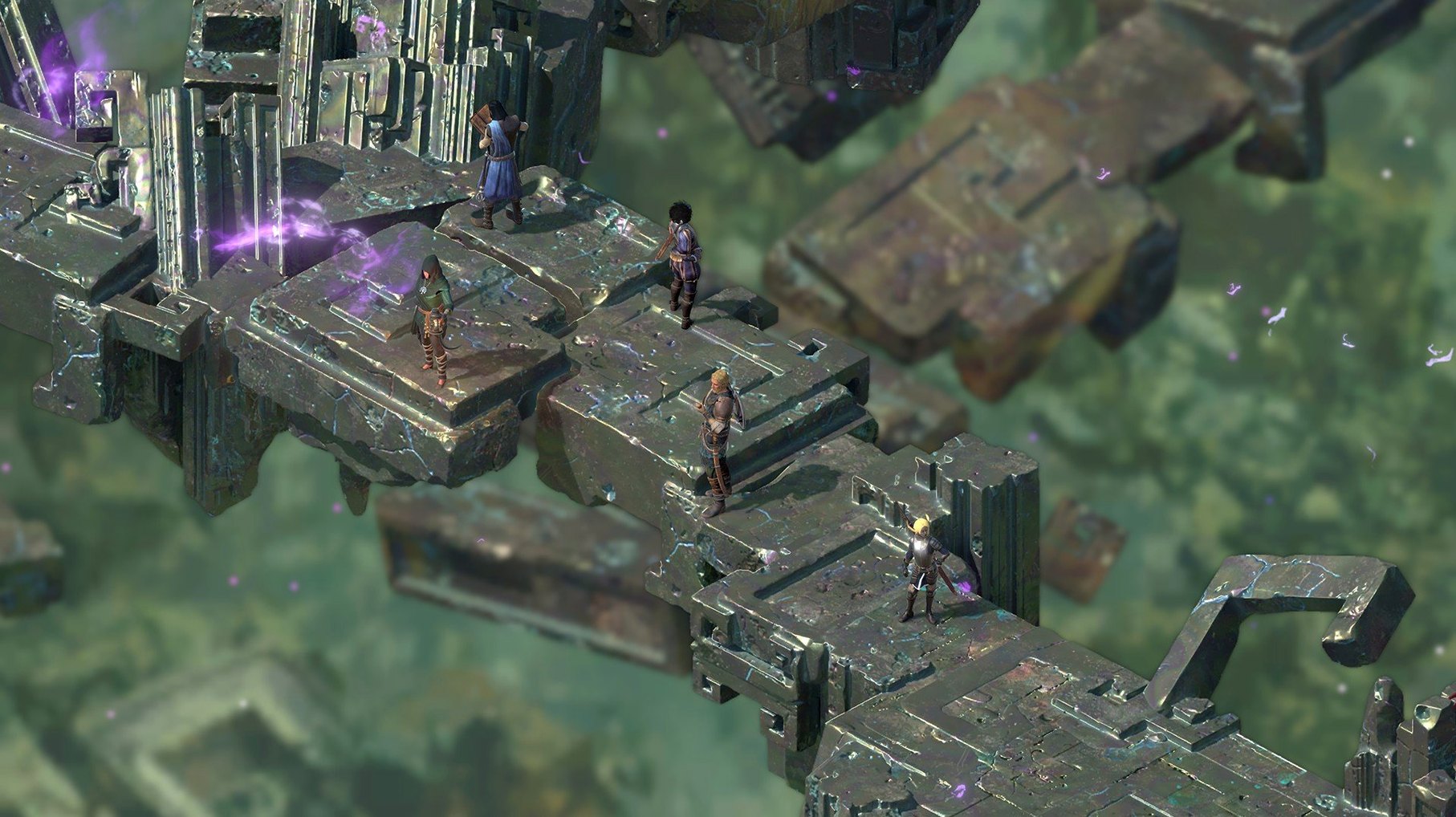
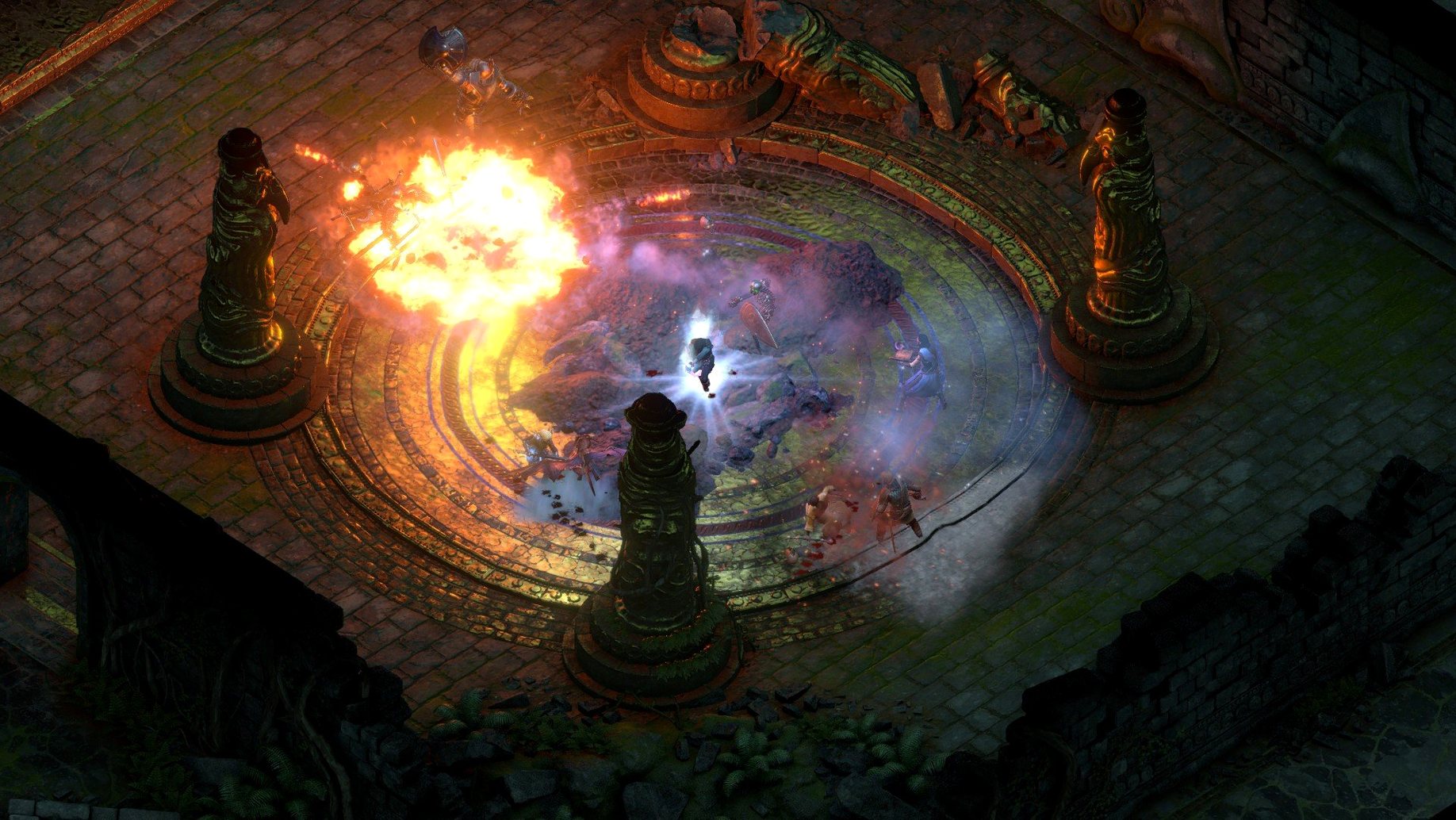
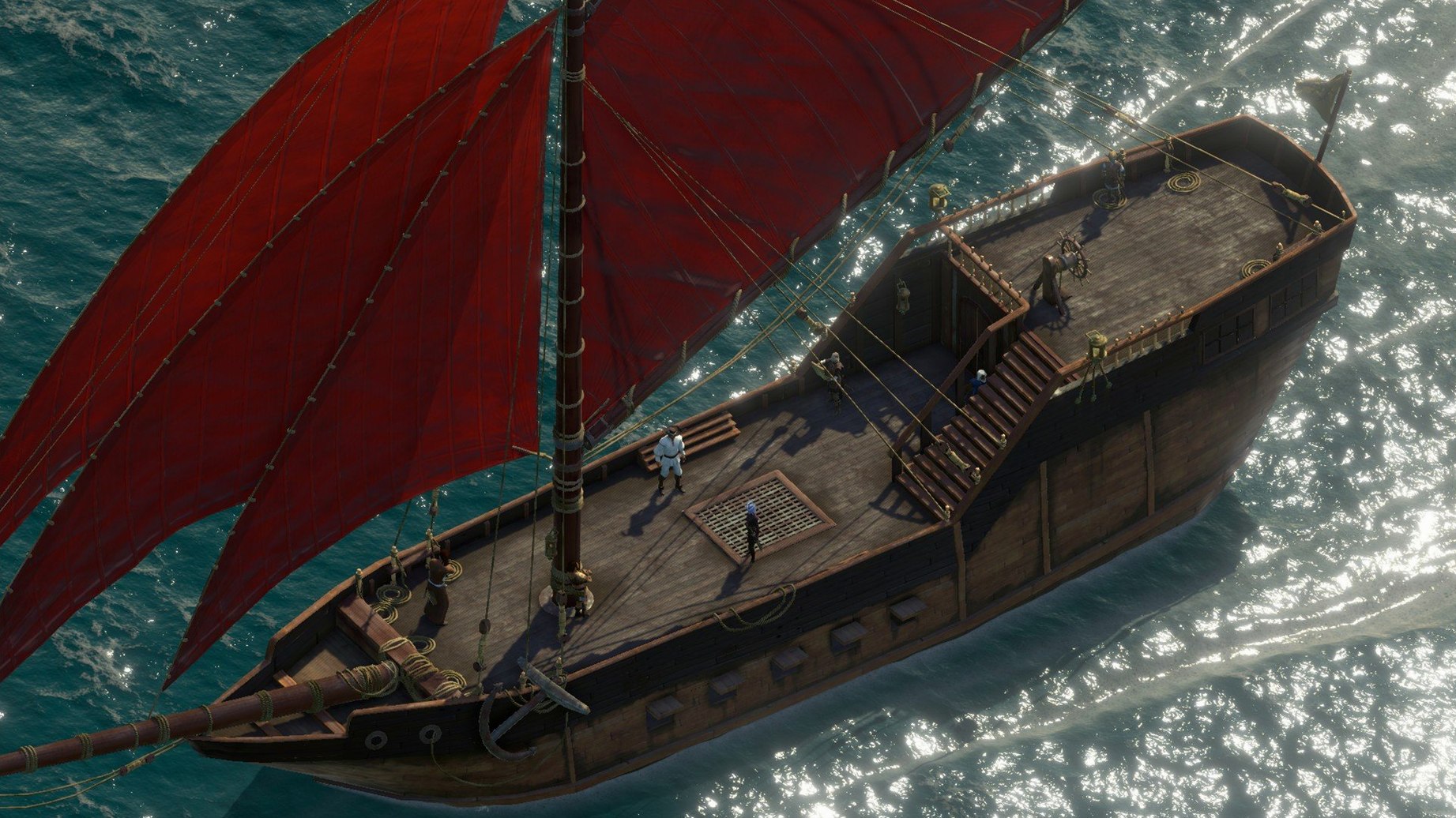
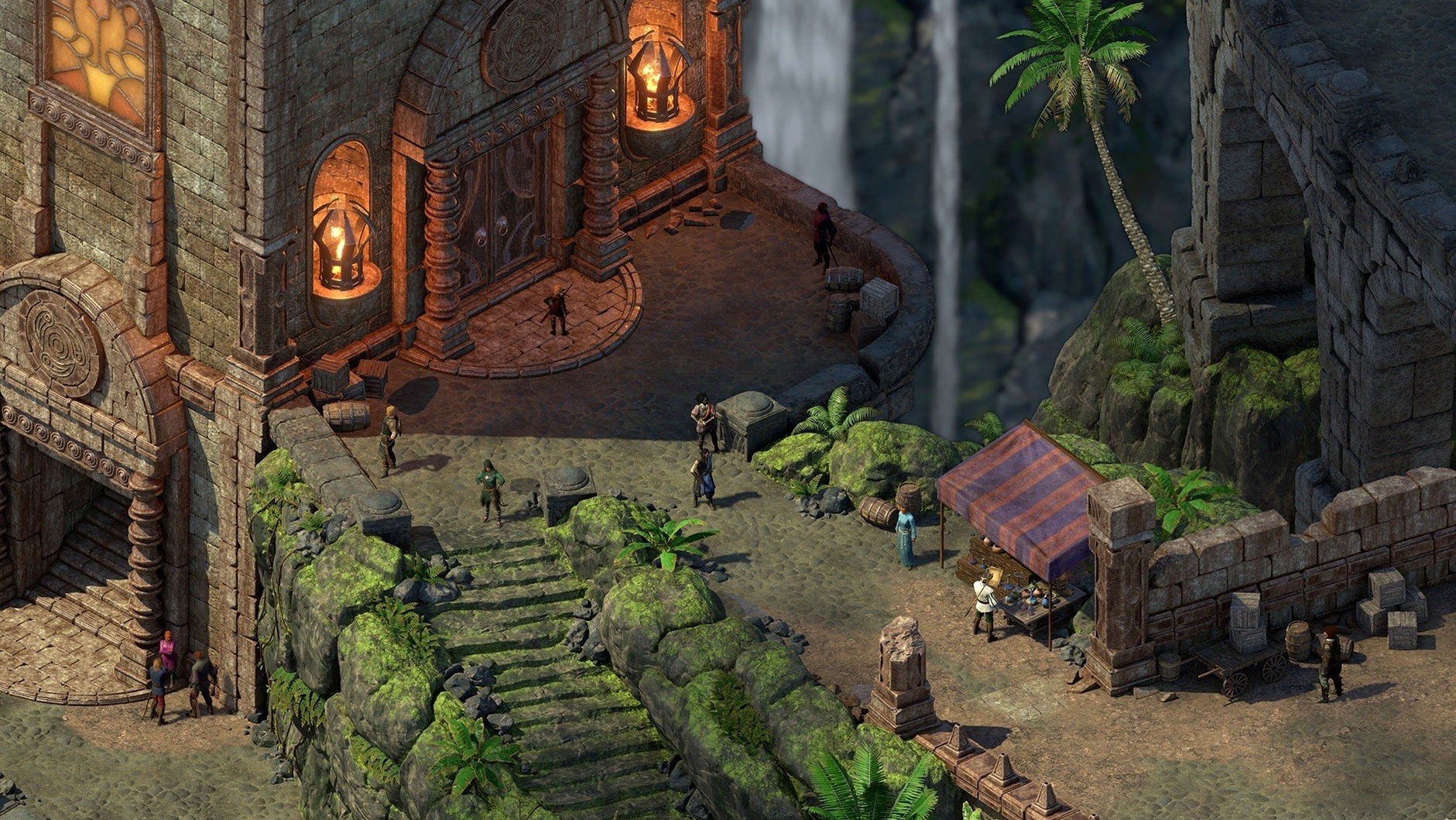
The codebase entered maintenance mode a while ago, so the current build—5.0.0.0040—is almost certainly the final shape of the game on macOS. It is an Intel binary; Apple Silicon Macs run it through Rosetta 2, and the initial launch can feel glacial while shaders compile in the background. Patience during that first coffee is a practical requirement.
| What you need to know | |
|---|---|
| Developer | Obsidian Entertainment |
| Current version | 5.0.0.0040 (29201) |
| Architecture | Intel (Rosetta 2 on Apple Silicon) |
| Spoken language | English |
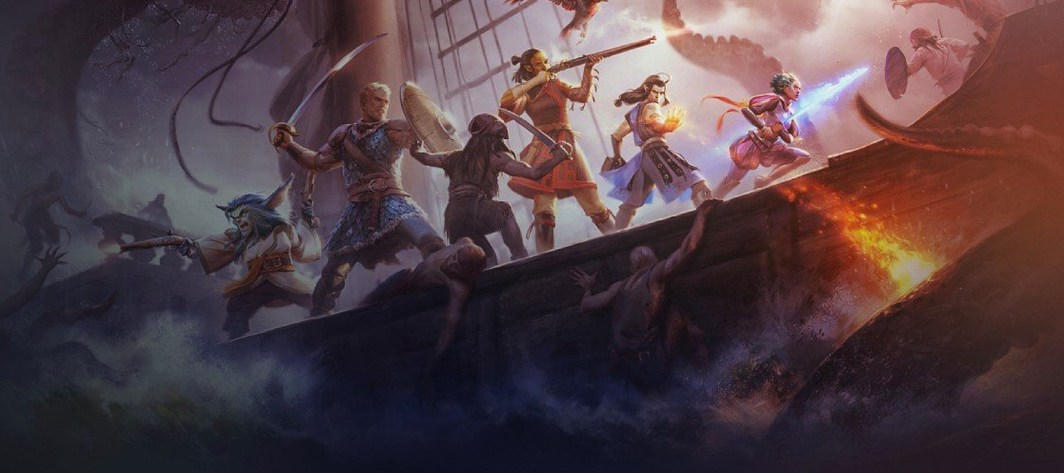
This is a game that hands you a ship and a sprawling archipelago, then mostly gets out of your way. The hand-painted backgrounds and reactive cast of characters create a world that feels lived-in, but the real filter for enjoyment sits in the combat layer. Every fight is a tactical puzzle built on positioning, armor penetration, and a deep class system that rewards players who enjoy reading tooltips as much as they enjoy a good story. The open world invites exploration, yet the pacing is old-school: long stretches of text, careful party management, and a main quest that is in no hurry to be finished. If you bounced off the first Pillars because it felt too dry, this sequel is looser and sunnier, but it never abandons its CRPG spine. You will enjoy it if you treat character builds as a spreadsheet you can get emotionally attached to. You probably will not if you want immediate action or find real-time-with-pause combat more like managing an elaborate aquarium of timers.
Grounded mechanics over physics sandbox chaos
Next to Divinity: Original Sin 2, Deadfire feels more grounded. Larian's game is a physics playground where you teleport enemies onto lava and stack barrels into improvised staircases. Deadfire cares about armor penetration tables, engagement rules, and whether your cipher has enough focus to cast that one crucial spell. Both offer turn-based modes after launch, but Deadfire's was patched in at version 5.0 and still shows seams when the encounter density spikes—some trash fights drag. Divinity was built for turn-based from the ground up.
Against Pathfinder: Wrath of the Righteous, the difference is scope versus focus. Pathfinder throws a hundred subclasses and a mythic power system at you; Deadfire keeps its nine classes with subclasses that feel like genuine narrative choices, not just optimization vectors. The Pathfinder Mac port is also a chunky Intel binary, but it leans harder on loading screens between zones, where Deadfire streams most of the archipelago without a break.
If you own an M-series Mac, all three run through Rosetta. None are native. Deadfire sits in the middle for performance—fewer stutters than Pathfinder in busy spell effects, less predictable than the surprisingly smooth Divinity engine on the same hardware.
Returning Watchers chasing story closure
The clearest fit is the CRPG fan who already played Pillars of Eternity and wants closure on the Watcher's story. Obsidian imports your old save—or lets you reconstruct major decisions through a dialogue sequence at the start—and the payoff lands hardest if you carry those choices with you. This is also the group most likely to overlook the occasional Rosetta frame dips because the narrative density is the real draw.
Another natural audience is the tactics-first player who found Divinity: Original Sin 2 a little too whimsical. Deadfire's combat math is transparent: penetration versus armor rating, deflection versus accuracy, affliction stacking. Every stat block is inspectable. If you enjoy the feeling of solving a fight before the first sword swing, the game rewards that preparation loop more than most party-based RPGs on macOS.
Conversely, the open-world structure rewards the explorer type who ignores the main quest for hours at a stretch. The archipelago is dotted with islands that exist purely for a dungeon, a piece of lore, or a crew member for your ship. This kind of player will spend more time reading faction reputation tooltips and outfitting the Defiant than chasing the critical path—and the game is entirely comfortable with that priority. The pillars of eternity ii deadfire mac torrent scene aside, the DRM-free build means the experience is entirely self-contained once installed; no launcher, no online check, just a long initial boot while the shader cache builds.
- macOS (Intel only; runs via Rosetta 2 on Apple Silicon)
$ man pillars-of-eternity-ii-deadfire | grep -A2 "?"
How long does it take to start up on a Mac?
The first launch can take a long time while the engine compiles shaders in the background; subsequent starts are faster but never instant on Intel hardware.
Comments 0
Sign in or create an account to leave a comment.
No comments yet. A codec, a slice, a machine — they appear after moderation.