
Spark in the Dark for macOS
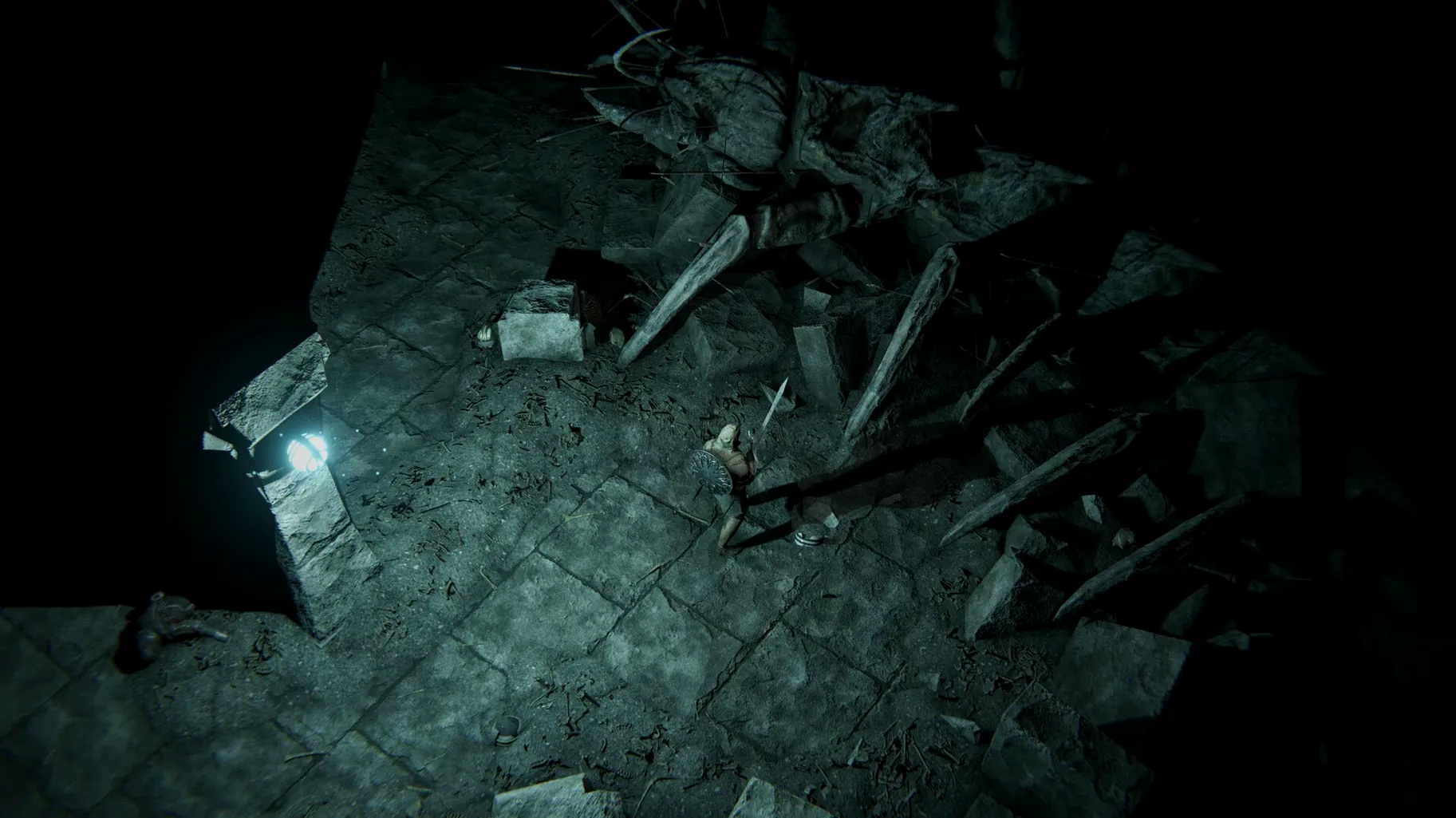
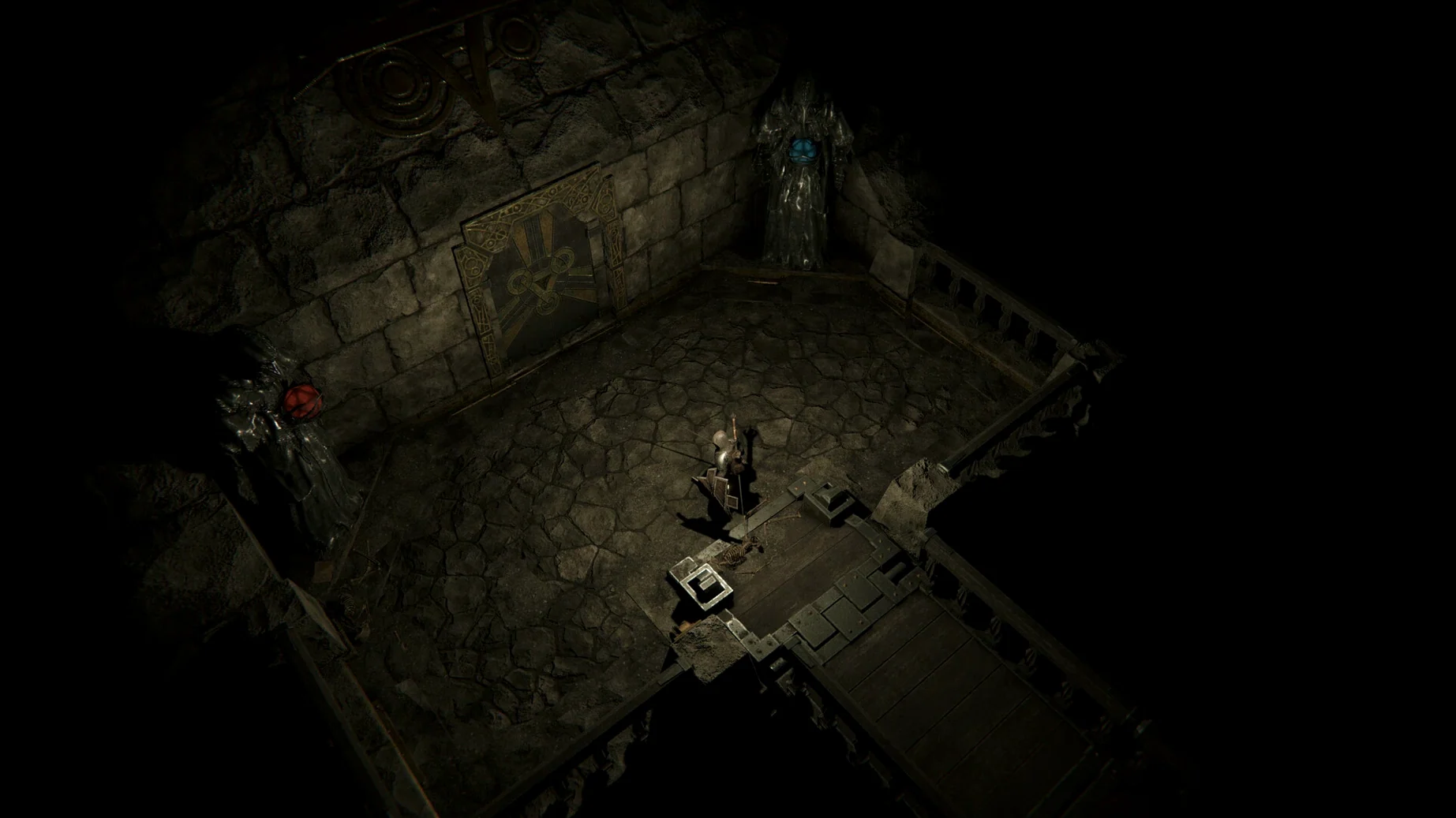
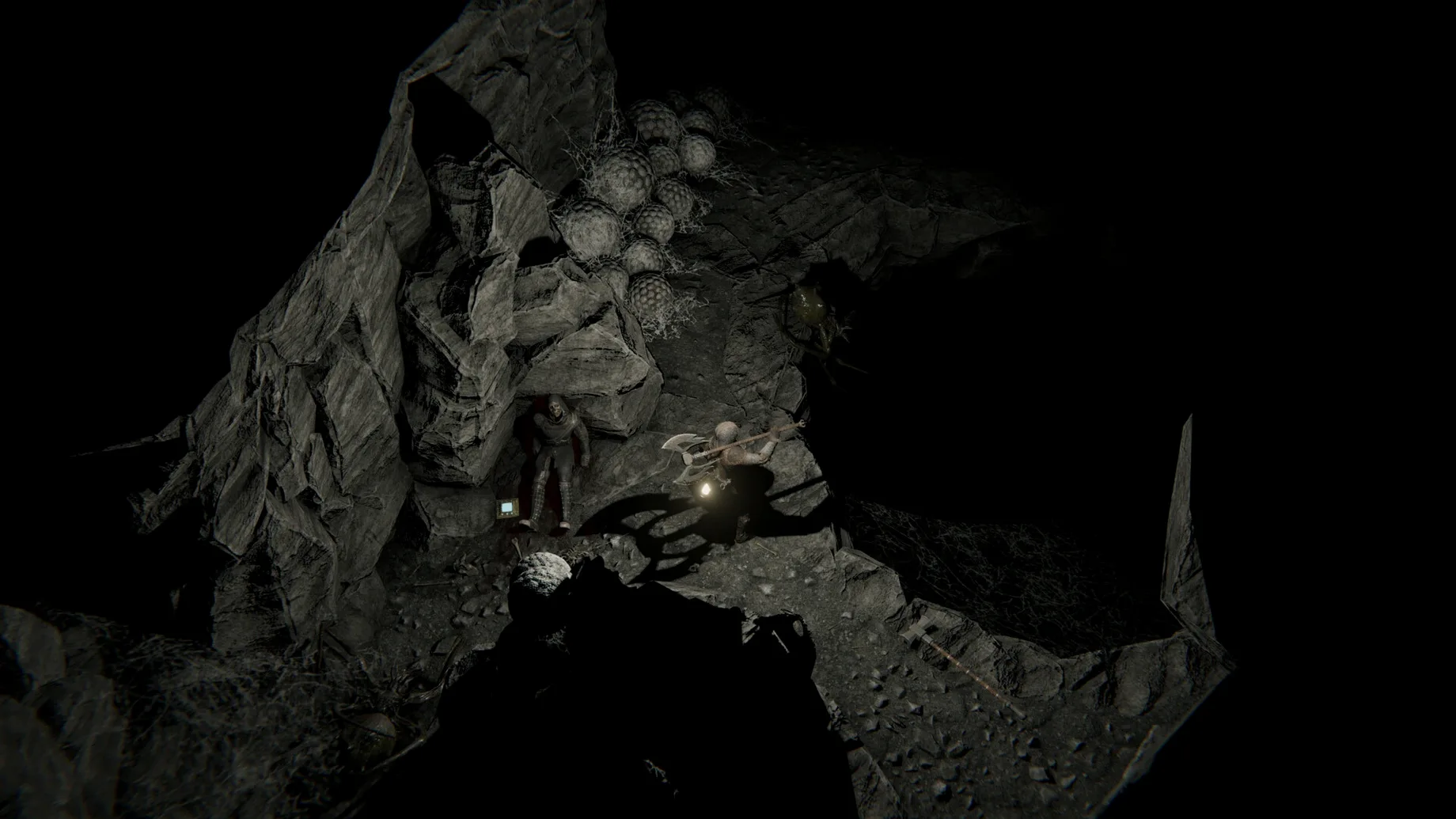
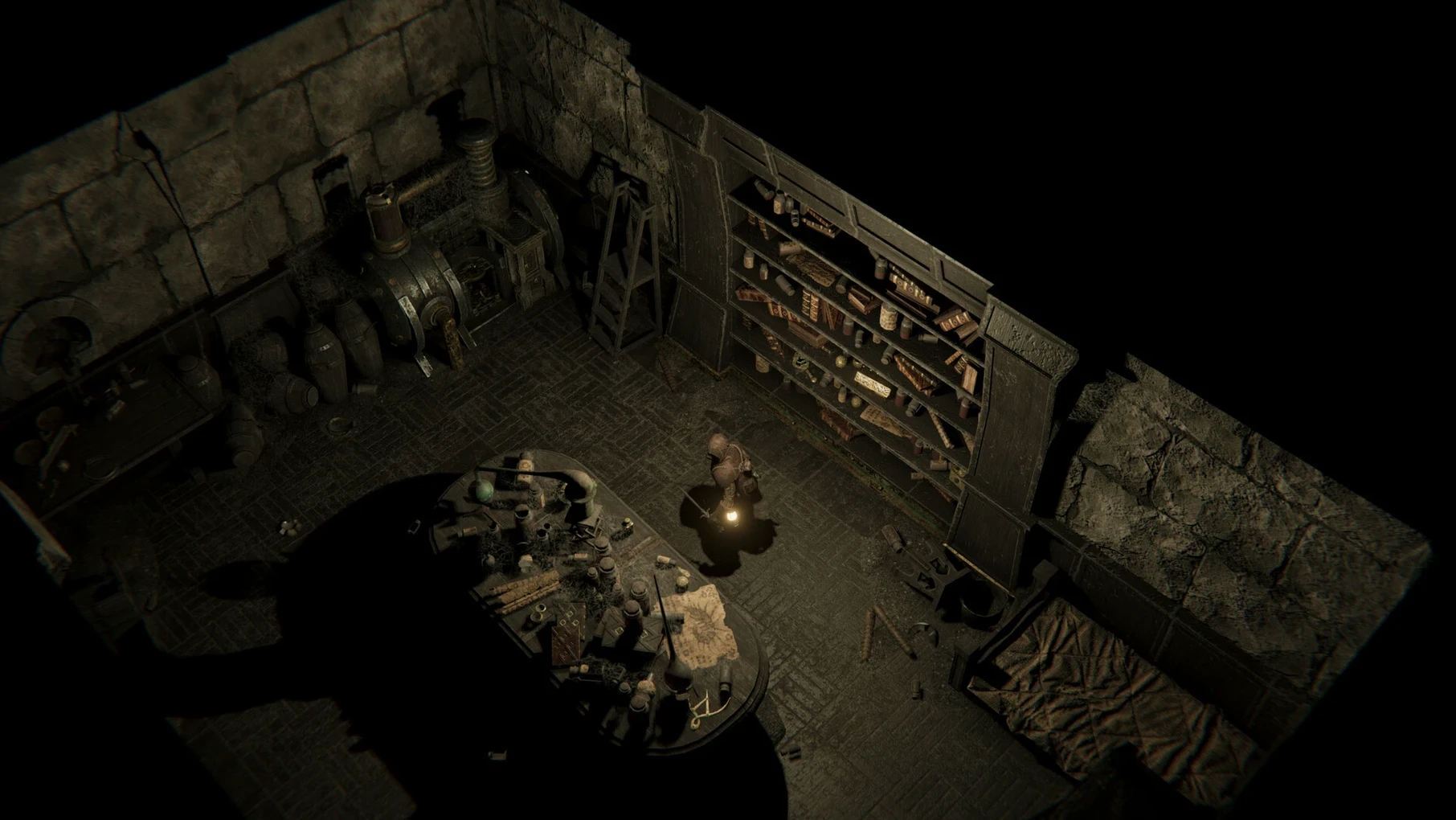
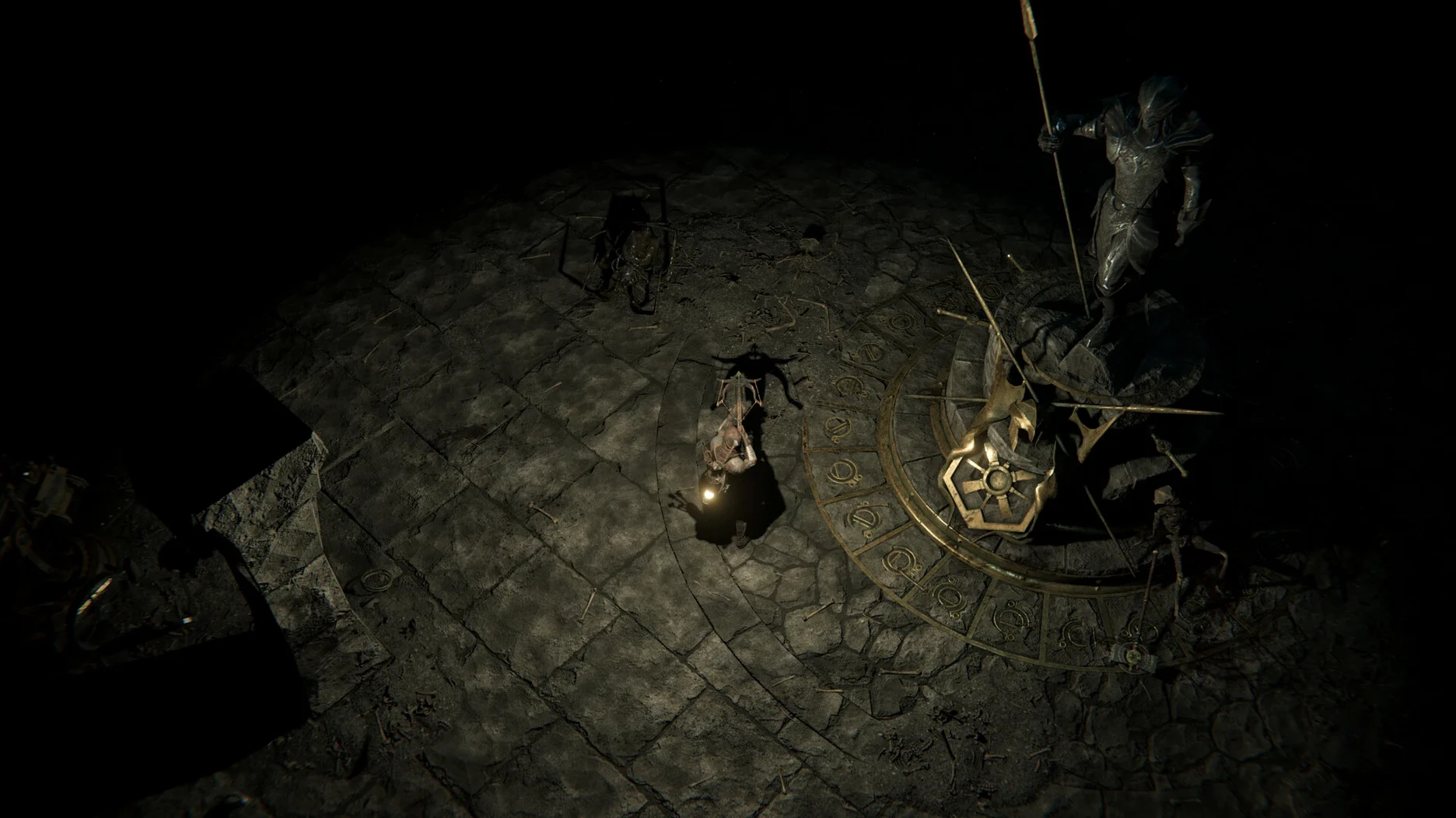
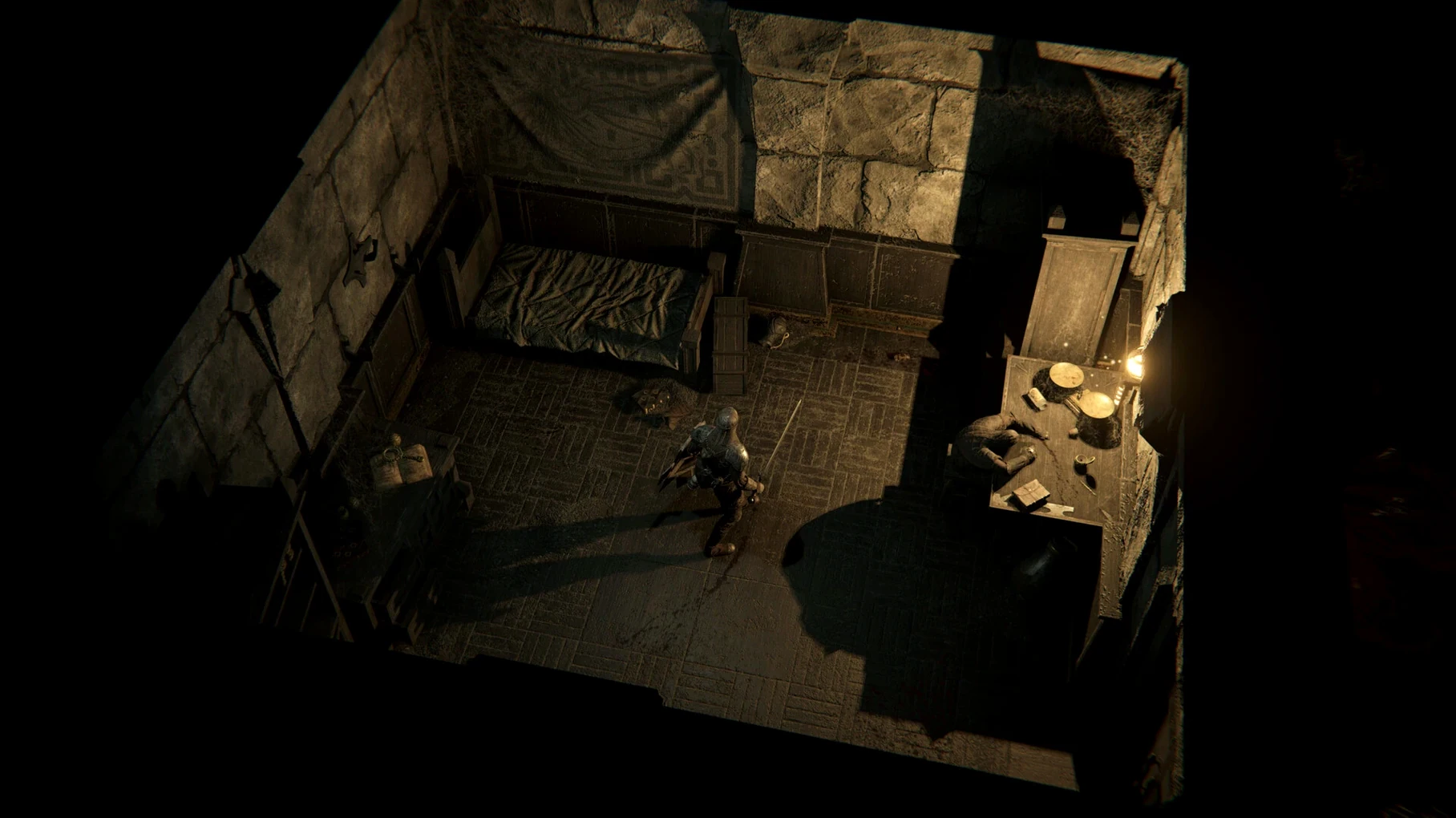
The Curse of Decrepitude isn't a simple stat penalty. When it lands on your warrior, carrying capacity drops and every swing of a two-handed axe becomes a gamble. Spark in the Dark builds itself around moments like this — where a single curse or a failed environmental skill check reshapes what the next ten minutes of a run look like.
Running on Unity and tested on macOS Tahoe with an M4 Mac mini, the game gives you five hero classes, each with abilities that improve through use rather than a traditional level-up screen. If you block with a shield, your shield skill climbs. If you read every lore book and diary scrap you find — and there are around a hundred of them scattered across the dungeons — you piece together the world at your own pace. That slow, systemic growth is the loop, and it rewards patience.
This is a game for someone who enjoys losing a character to a bad decision, then rolling a new class to see how a different set of blessings and injuries changes the same dark corridors. The interface is available in eleven languages, including English, Russian, German, and Simplified Chinese. It won't hold your hand with quest markers or damage-sponge enemies; the challenge comes from stacking environmental interactions on top of combat stress.
If you prefer clear direction, frequent checkpoints, or power fantasies that kick in after the first hour, this dungeon won't suit you. The fun here is in the friction — the weight of carrying too much loot, the risk of reading a cursed manuscript, and the slow mastery of a hero who might still die to a trap you should have seen coming.
Beside Grimrock, what changes?
Put it beside Legend of Grimrock 2 and the difference jumps out immediately. Grimrock is a grid-based puzzle box with real-time combat; its dungeons are hand-crafted and the difficulty comes from spatial reasoning and party micro-management. Spark in the Dark replaces that structured design with procedural generation and a single-character focus. Where Grimrock asks you to solve a pressure-plate puzzle, Spark hands you a rusted sword and makes you worry about whether it will survive the next fight.
Darkest Dungeon shares the grim tone and the love of afflictions, but its combat is turn-based and party-driven, with a hamlet metagame layer between expeditions. Spark stays in the dungeon. No roster of heroes back at base camp—just one character per run, shaped by the skills they actually use and the injuries they accumulate. It feels closer to a solo tabletop session where the dungeon itself is the antagonist, not the final boss.
Barony occupies a similar procedural first-person niche, yet its voxel aesthetic and co-op bent give it a lighter, more chaotic energy. Spark in the Dark is slower, heavier, and more interested in the atmosphere of its lore books than in fast multiplayer hijinks. If Barony is a chaotic D&D one-shot with friends, Spark is the solo session where the candle burns low and every creak in the floorboards matters.
First days: practical survival tips
Your first three runs will probably end badly. That is the intended experience, not a failure to read the instructions. Here is what helps once you accept that death is a teacher.
- Read the room, not just the monster. Environmental skill checks appear near rubble, old mechanisms, and suspiciously quiet corridors. Passing a perception check near a collapsed archway might reveal a hidden cache; failing a strength check while levering open a tomb can injure your arm, which then affects every swing of your weapon. Treat the environment as a second opponent.
- Carry one repair kit before you think you need it. Equipment wear is procedural, meaning your best weapon can crack mid-fight against a skeleton captain. A repair kit takes inventory space you probably want for loot, but losing a tempered blade in the middle of a monster den costs far more than the two potions you left behind.
- Blessings and curses are your build. A blessing that heals you when you read lore books seems minor until you realize there are a hundred books down there. A curse that fogs the minimap on low health forces a completely different exploration rhythm. Don't reload hoping for a clean slate—learn to play the hand you were dealt. That is where the five classes start to diverge in unexpected ways.
- Leave notes. The game does not map secret locations for you. If you find a cracked wall that requires a dexterity check you cannot pass yet, remember it. A later blessing or a different class might turn that wall into the route to a stash of annals that fills out the lore and grants a permanent insight bonus.
Three kinds of players who click with it
Three types of Mac players tend to click with Spark in the Dark. The first is the roguelike traditionalist—someone who has already worn out their keyboard on Dungeon Crawl Stone Soup or Nethack and wants the same long-term attachment to a single character, but rendered in a first-person dark fantasy space. The procedural loot and monster generation will feel familiar; the environmental skill system adds a layer those older games rarely explore.
The second group is the lore archaeologist. If you are the type who reads every book in an Elder Scrolls game—not for quests, but because the in-world history fascinates you—Spark's hundred-odd volumes of annals, diaries, and notes reward that habit with actual mechanical bonuses tied to the hero's knowledge progression. The more you read, the more your character understands, and the dungeon remembers what you have uncovered.
The third group is the macOS-only player who feels underserved by the dungeon crawler genre. Many titles in this space hit Windows first or never ship a native Mac build at all. Spark in the Dark runs on both Intel and Apple Silicon Macs without requiring any compatibility layers, and the disk image install is straightforward: open the .dmg, drag the app into the Applications folder alias, and launch from Launchpad. No activation screens, no online checks—just a dark medieval dungeon waiting for a Spark in the Dark Mac torrent of bad decisions to stumble through it.
- macOS version: not specified by the developer
- Architecture: runs natively on both Intel and Apple Silicon Macs
- Additional notes: tested on macOS Tahoe with a 2024 Mac mini M4
$ man spark-in-the-dark | grep -A2 "?"
What engine does Spark in the Dark run on?
The game is built on the Unity engine and has been tested on macOS Tahoe with an Apple Silicon Mac mini M4.
How does character progression work?
Skills improve through direct use — blocking raises your shield skill, while reading books and diaries uncovers world lore — rather than through a conventional level-up interface.
What classes are available?
You can choose from five hero classes, each with unique abilities that interact with the game's curses, blessings, and injury systems.
Comments 0
Sign in or create an account to leave a comment.
No comments yet. A codec, a slice, a machine — they appear after moderation.