
Stardew Valley for macOS
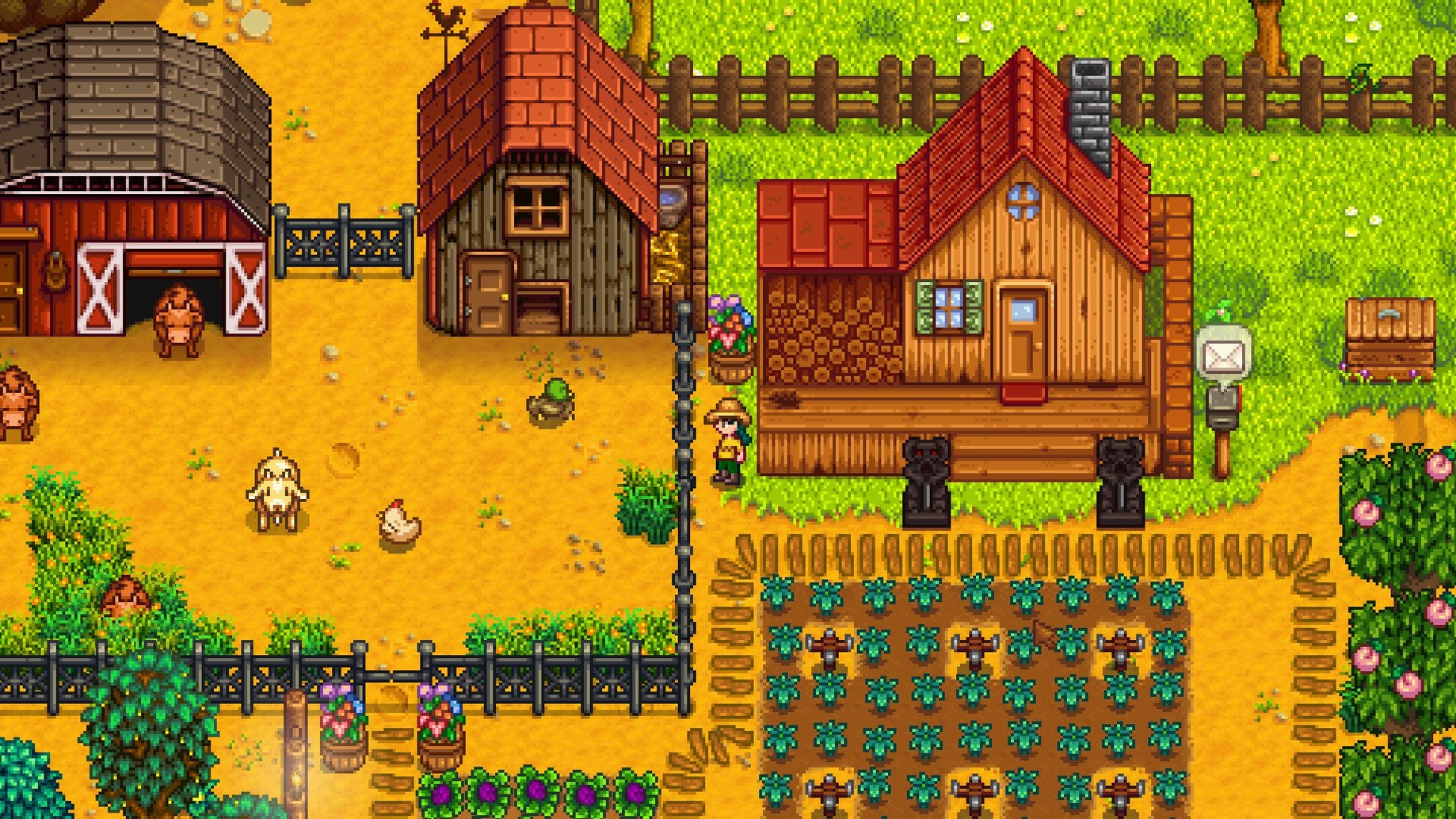
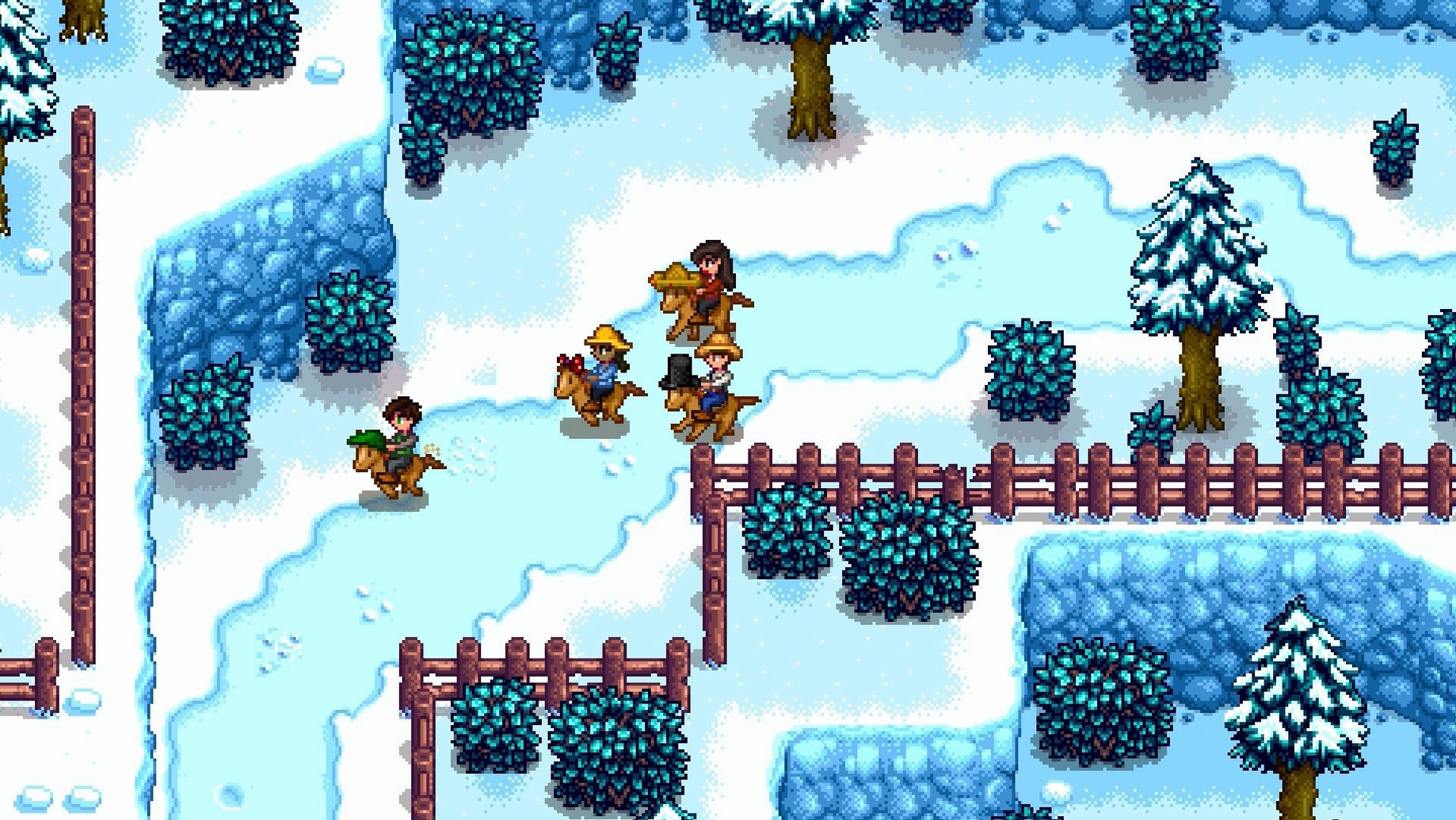
Juminos. They’re the little forest spirits that reassemble the community center while you rebuild a neglected farm. The game begins with a worn-out plot in Stardew Valley and a handful of parsnip seeds. From there, it’s a country-life RPG where fishing, mining, and befriending the locals fill the days as much as the crops do.
Running it on a Mac asks for a 64-bit system. The build is native for both Intel and Apple Silicon, so Rosetta isn’t involved. System requirements are light enough that nearly any Mac from the last decade handles it without trouble. Performance optimizations in version 1.6.15 keep things smooth even on older integrated graphics.
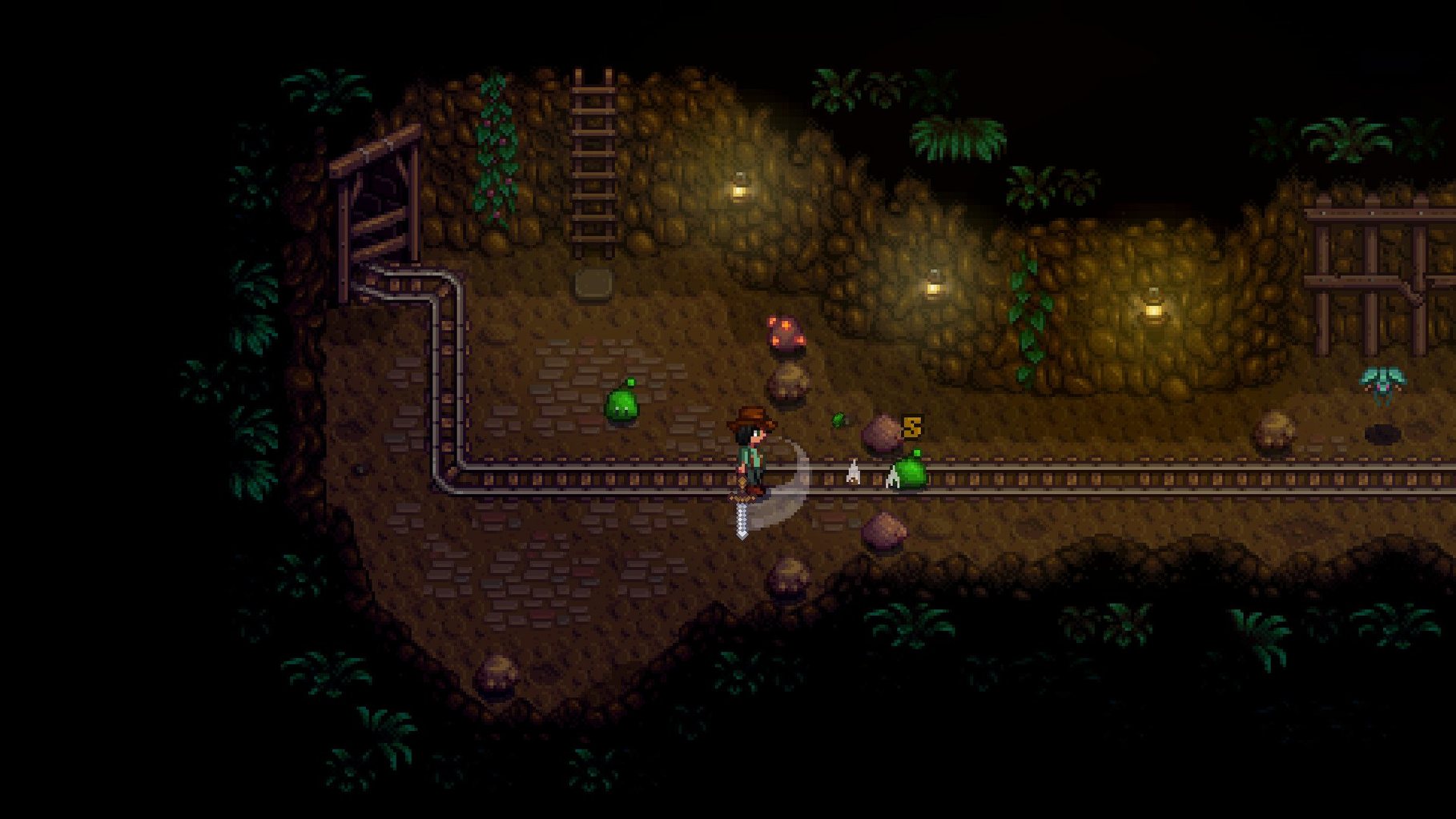
Once the installer finishes, what you get is the whole valley: twelve marriage candidates, a dungeon crawling mine, seasonal festivals, and a farm layout you shape from overgrown weeds into a productive garden. The multiplayer mode lets a few friends join the same farm, though everyone needs their own copy.
Fantasy races and skill trees versus one carefully tuned valley
Three games come up whenever someone searches for a stardew valley mac free download and wonders what else is out there. They scratch a similar itch but go about it differently.
Sun Haven adds fantasy races, a skill tree with combat spells, and three separate towns instead of one. The pixel art is chunkier, the dialogue leans harder into RPG quests, and the day clock can be slowed to a crawl — up to 40 real minutes per in-game day. That freedom appeals if you find Pelican Town's default 13-minute day a bit frantic. What Sun Haven gives up is focus. Stardew Valley’s single valley feels dense and lived-in; Sun Haven’s three regions spread the same amount of character writing thinner. On a MacBook Air, Sun Haven also pushes the GPU harder — fan noise is a real thing during rain effects, which never happens with Stardew Valley’s lighter sprite work.
My Time at Portia swaps farming for workshop crafting in a 3D post-apocalyptic world. You build bridges and bus stops instead of planting melons. It runs on Unity, so Mac performance depends heavily on Metal optimizations that arrived late in its patch cycle. The social system has voiced greetings and more elaborate date mechanics, but the menus feel designed for a console controller. Navigating them with a trackpad can be a chore. Stardew Valley’s pixel-precise inventory grids and right-click splitting are simply faster to operate on a Mac.
Graveyard Keeper takes the darkest possible angle: you run a medieval graveyard, harvest organs, and occasionally throw corpses in the river when the donkey delivers too many. The crafting chains are absurdly deep — making a simple ink involves growing grapes, pressing them, waiting for fermentation, then combining the result with powder ground from a specific ore. It’s funny, but it’s work. Where Stardew Valley respects your time with shortcuts like the minecart and the horse, Graveyard Keeper makes every errand a multi-step puzzle. Some people love that. Others tap out after the third hour of hauling logs because they forgot to build the zombie lumber mill.
What keeps Stardew Valley at the center of its genre on Mac isn’t any one feature — it’s that the whole thing runs offline, drm-free, without a launcher, and asks almost nothing from the hardware. The other three can’t say all of that at once.
What are the small conveniences that are easy to miss?
New players burn dozens of hours before stumbling onto things that experienced farmers use every in-game morning.
- Shift-click to buy or craft in bulk. Holding Shift while clicking at Pierre’s counter buys five seeds at once instead of one. The same shortcut works at crafting tables: hold Shift and click to queue up multiple items without a dozen rapid clicks.
- The tab key cycles through inventory rows. It saves a trip into the menu every time you switch from the pickaxe to the sword in the mines.
- Fridge ingredients count for cooking. The kitchen checks both your backpack and every fridge in the house. A mini-fridge sitting next to the stove — fill it with flour, oil, and fish — means you never have to carry ingredients around. Version 1.6.15 added a Junimo bundle button to fridge interfaces too, so you can check community center needs right from the kitchen.
- Grass starter under a fence post. Place a grass starter, then drop a fence post on top. Animals can’t eat that tile, so the grass spreads outward forever. Free feed, zero maintenance.
- Holding down the action button for repeated swings. Mining and chopping trees doesn’t require a click per swing. Hold the button and your tool keeps swinging at the fastest possible rhythm until stamina runs out or the rock breaks.
- The minecart unlocks fast travel. Once the boiler room bundle at the community center is complete, minecarts connect the bus stop, the mines, the quarry, and the town square. It trims a five-minute walk to two seconds.
XML save files let Mac tools peek inside your farm
Stardew Valley doesn’t have a plug-in architecture or AppleScript support. What it does have is a fully open save-file format. Saves live in ~/.config/StardewValley/Saves/ as XML files with a predictable structure. A few third-party tools read those files directly. Some players keep a save editor open on a second desktop — swipe over, adjust a farm layout that would take three in-game days to move manually, save the file, and reload. It’s not cheating if the game is single-player and you’re saving real-life hours.
macOS’s built-in screen recording works perfectly for capturing farm tours. Open QuickTime Player, hit File → New Screen Recording, and the Metal-rendered pixel art encodes cleanly at 60 fps with no dropped frames on Apple Silicon. Some players use it to make time-lapse videos of an entire season.
Spaces integration matters for a game this slow-paced. Keep the game fullscreen on Desktop 2, a wiki in Safari on Desktop 1, and a notes app off to the side. Three-finger swipe between them without minimizing anything. The game doesn’t stutter when backgrounded — the audio keeps playing, which is handy for hearing rain sounds while you look up fish schedules.
For multiplayer, voice chat over FaceTime Audio uses barely any bandwidth and works natively between Macs. Discord is more common, but the in-game chat window is functional enough for quick coordination about who’s watering what.
What’s it like in daily use — speed, stability, resource use?
On an M-series Mac, the game loads a save in under three seconds. The initial boot — past the ConcernedApe logo and the title screen — takes roughly eight seconds from a cold start on an M4 Mac mini. The entire application bundle weighs around 700 MB. Memory use settles between 400 and 600 MB during normal play. That climbs to about 900 MB in four-player multiplayer on a heavily decorated farm with dozens of animals and sprinklers running. It never swaps to disk on any Mac with 8 GB of RAM or more.
Battery drain is mild. On a MacBook Air, an hour of Stardew Valley sips around 8–10% of a full charge. That’s less than a web browser with a dozen tabs. The GPU spend is minimal — the pixel art runs at the display’s native resolution but the assets are low-resolution bitmaps with nearest-neighbor scaling. There’s no dynamic lighting, no post-processing, no shader compilation stutter. The frame cap sits at 60 fps by default and holds there without dips.
Stability is a non-issue in single-player. Crashes are rare enough that most players never see one. The 1.6.15 patch notes mention fixing several crash conditions, including a multiplayer desync that could drop a client during festival transitions. Four-player farms with cross-platform hosts — one player on Mac, another on Windows, a third on Linux — stay in sync reliably as long as the host’s connection is stable. The one edge case: alt-tabbing during a save on a slow external drive can cause a momentary freeze. Saving to the internal SSD avoids that entirely.
Why cutting grass before a silo leaves your animals hungry
The game explains almost nothing. That’s part of the charm, but it leads to the same early errors across every new farm.
Clearing all the grass before building a silo. Every patch of grass on the farm turns into hay once a silo is built. Cutting it all down on day one means buying hay from Marnie for the rest of the first year. Build the silo first, then scythe.
Selling fiber and wood. The shipping bin accepts nearly everything, so beginners dump stacks of fiber and wood for a few gold. Fiber becomes tree fertilizer, looms, and deluxe scarecrows later. Wood is the bottleneck for every farm building for two seasons straight. Hoard both.
Gifting blindly. The game tracks friendship points per gift. Giving someone a liked gift earns points. Giving them a hated one loses points. Nearly everyone hates bait, sap, and rusty spoons. The wiki is practically required reading for gift-giving, and knowing that isn’t a spoiler — it’s how the game expects you to play.
Planting too much on Spring 1 without upgrading the watering can. Watering 200 parsnips by hand eats the entire energy bar and half the morning. By day three, the player is exhausted, out of food, and resenting the game. Plant what you can water in under two in-game hours, then spend the rest of the day fishing for cash and energy-boosting fish.
Ignoring the television. The TV inside the farmhouse gives a weather report, a luck forecast, and a cooking recipe. Luck affects mine drops, fishing treasure, and geode contents. Skipping the TV means doing everything on a bad-luck day and wondering why the mines feel empty.
Donating the first prismatic shard. It’s an understandable impulse — Gunther wants artifacts — but the first prismatic shard should go to the three pillars in the Calico Desert. The Galaxy Sword it unlocks makes combat in the deeper mine levels viable. A second shard can go to the museum later.
Assuming Joja Mart is the villain route with no upside. The Joja membership path replaces community center bundles with straightforward gold payments. It unlocks the greenhouse, minecarts, and the bus faster — sometimes by a full season. The town doesn’t change as much, and the Junimos disappear, but the gameplay loop is simpler and less wiki-dependent. Some players prefer it on a second farm after doing the community center the first time.
- Legendary fish ponds now produce roe more often and carry a higher average daily value.
- Performance optimizations across the board.
- A Junimo bundle button was added to fridge and mini-fridge interfaces.
- Fixed several crashes, multiplayer sync issues, and localization errors.
- macOS (64-bit)
- Intel or Apple Silicon Mac
$ man stardew-valley | grep -A2 "?"
What languages does Stardew Valley support on Mac?
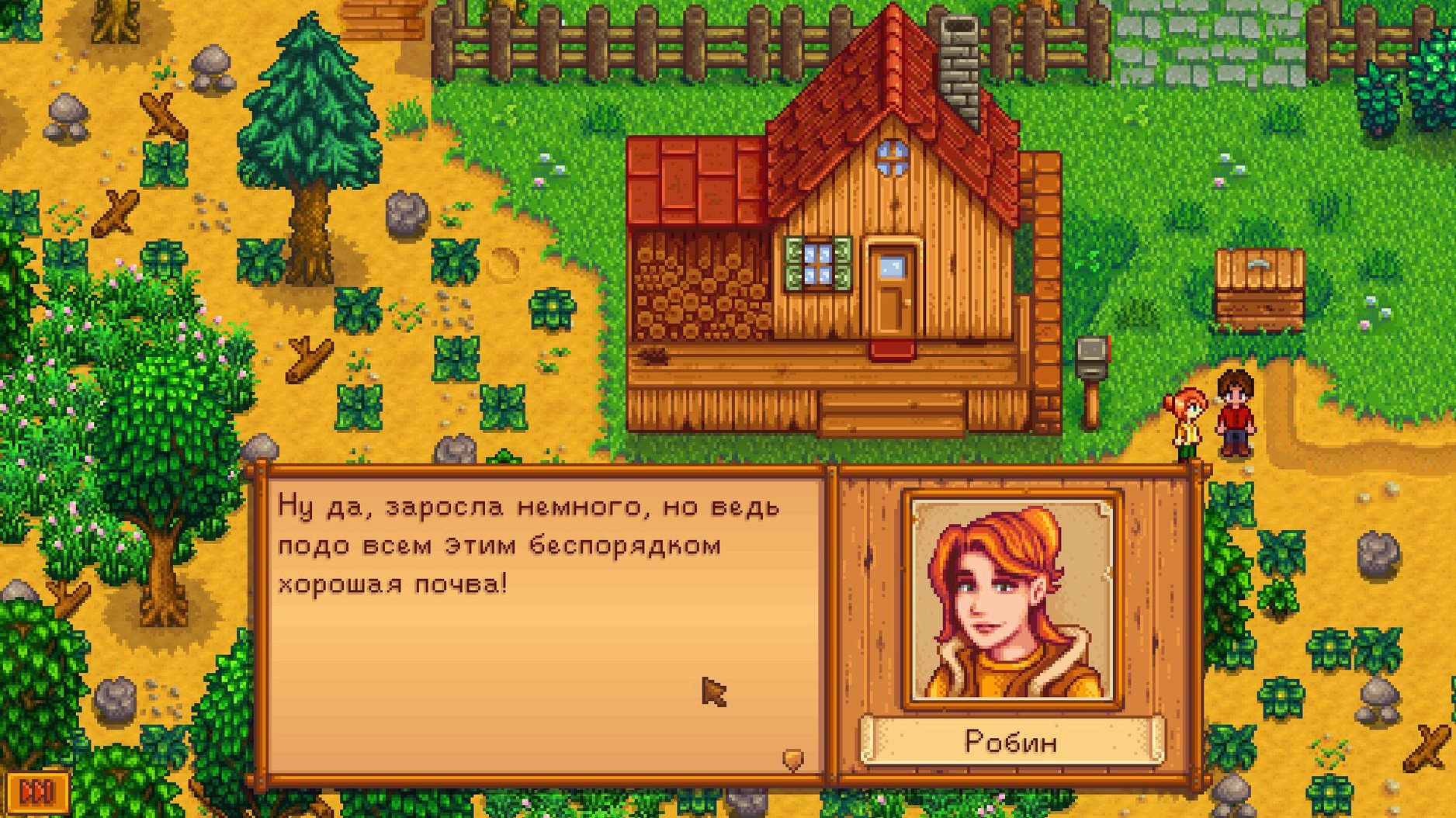
The interface is available in English, Russian, German, Hungarian, Spanish, Italian, Simplified Chinese, Korean, Portuguese, Turkish, French, and Japanese.
Comments 0
Sign in or create an account to leave a comment.
No comments yet. A codec, a slice, a machine — they appear after moderation.