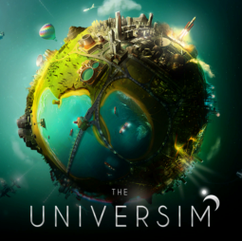
The Universim for macOS
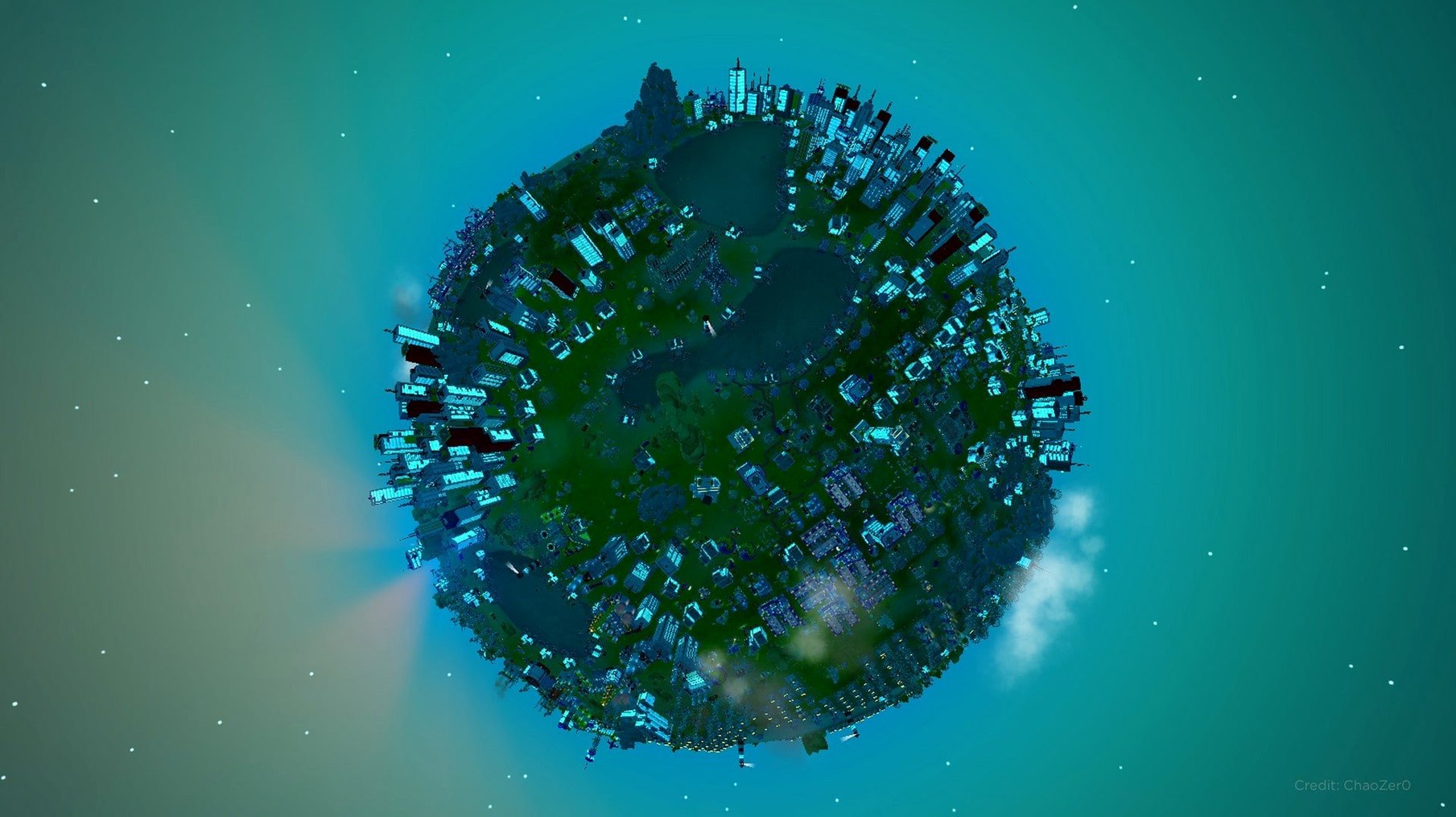
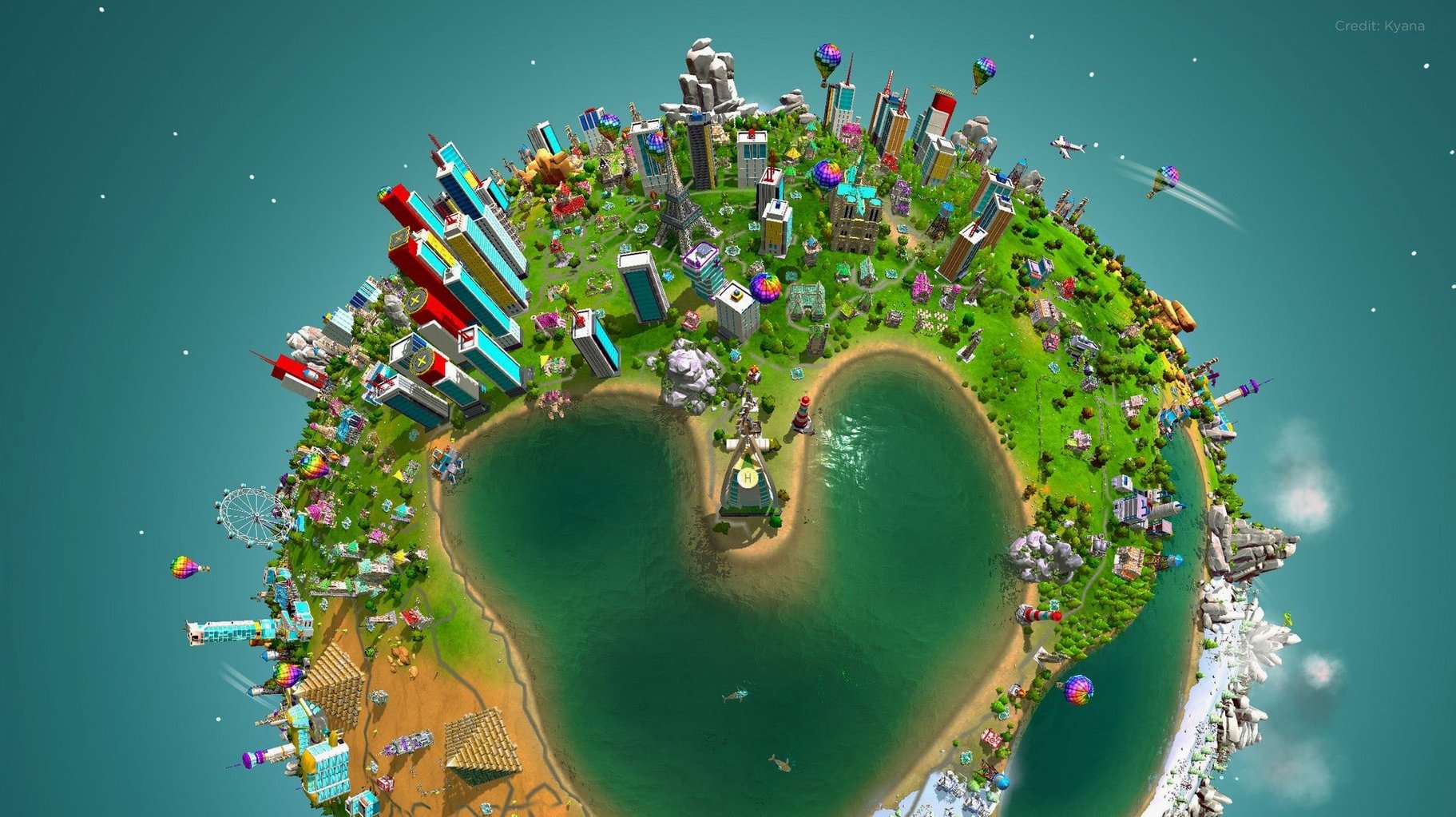
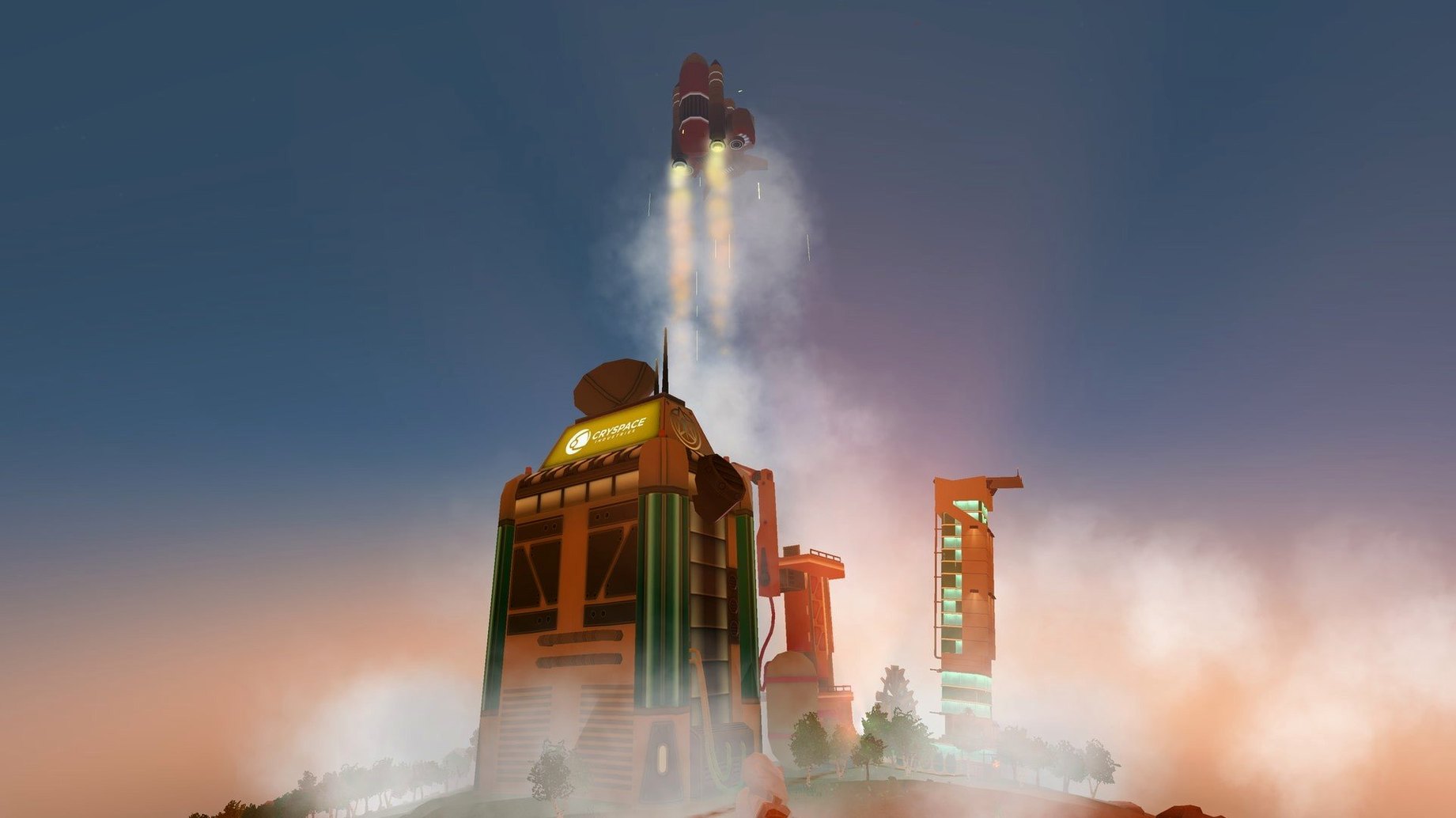
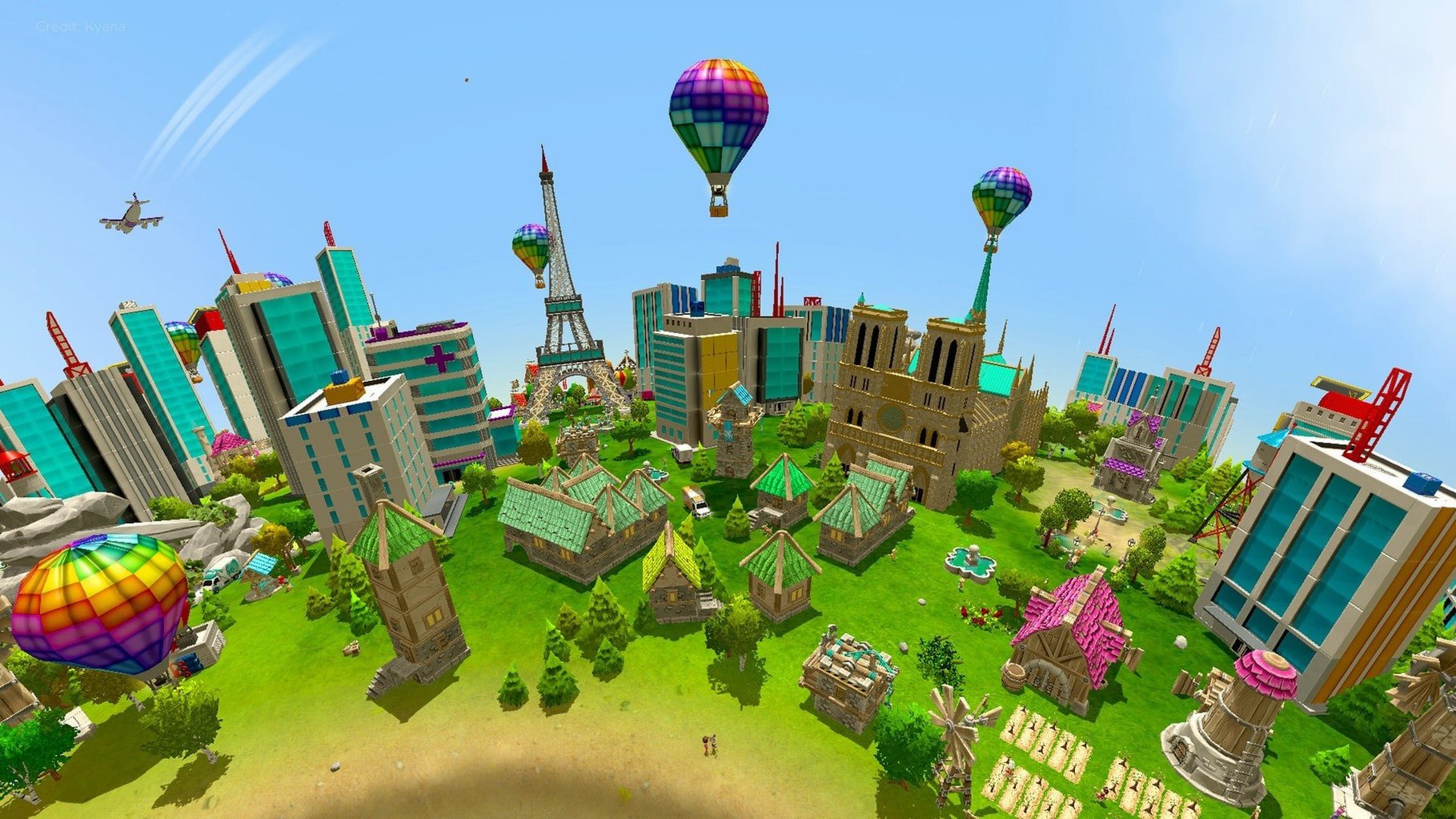
This one is for the player who likes watching the numbers shift behind the scenes, who gets a kick out of seeing a small decision ripple across an entire planet. You're not just placing buildings; you're tweaking the dials of a living simulation run by a population of creatures called Nuggets.
Where a deforested patch can spark a wildlife revolt
- Watching a complex system react to your nudges. Cutting down a forest doesn't just clear land; it alters the local biome and can anger the wildlife.
- Managing a population with individual traits. Each Nugget has its own characteristics, and keeping them supplied with water, food, and entertainment is a constant balancing act.
- Playing through long-term consequences. Over-hunt a species and watch it die out. A season change can reshape the planet's biomes and shift your resource strategy. Wild animals become a real threat at night.
Why the 64-bit Intel build runs through Rosetta 2
- This is a 64-bit Intel build. It runs on Apple Silicon through Rosetta 2, but there is no native ARM binary yet.
- The minute-to-minute loop is less about direct control and more about using a set of divine abilities to influence events. You're guiding, not commanding.
- Your planetary ecosystem is a web. Objects in the world affect each other, so a small change to one resource node can cascade in ways that aren't immediately obvious.
Spinning a globe to spy on your first Nuggets
I drop onto a fresh planet, one of the resource-rich calm types. The first few minutes are pure reconnaissance. I spin the globe with two fingers on the trackpad, zooming in to watch a handful of Nuggets wander out from their stone-age camp. They look cold. I unpause the pocket watch and the day-night cycle starts ticking.
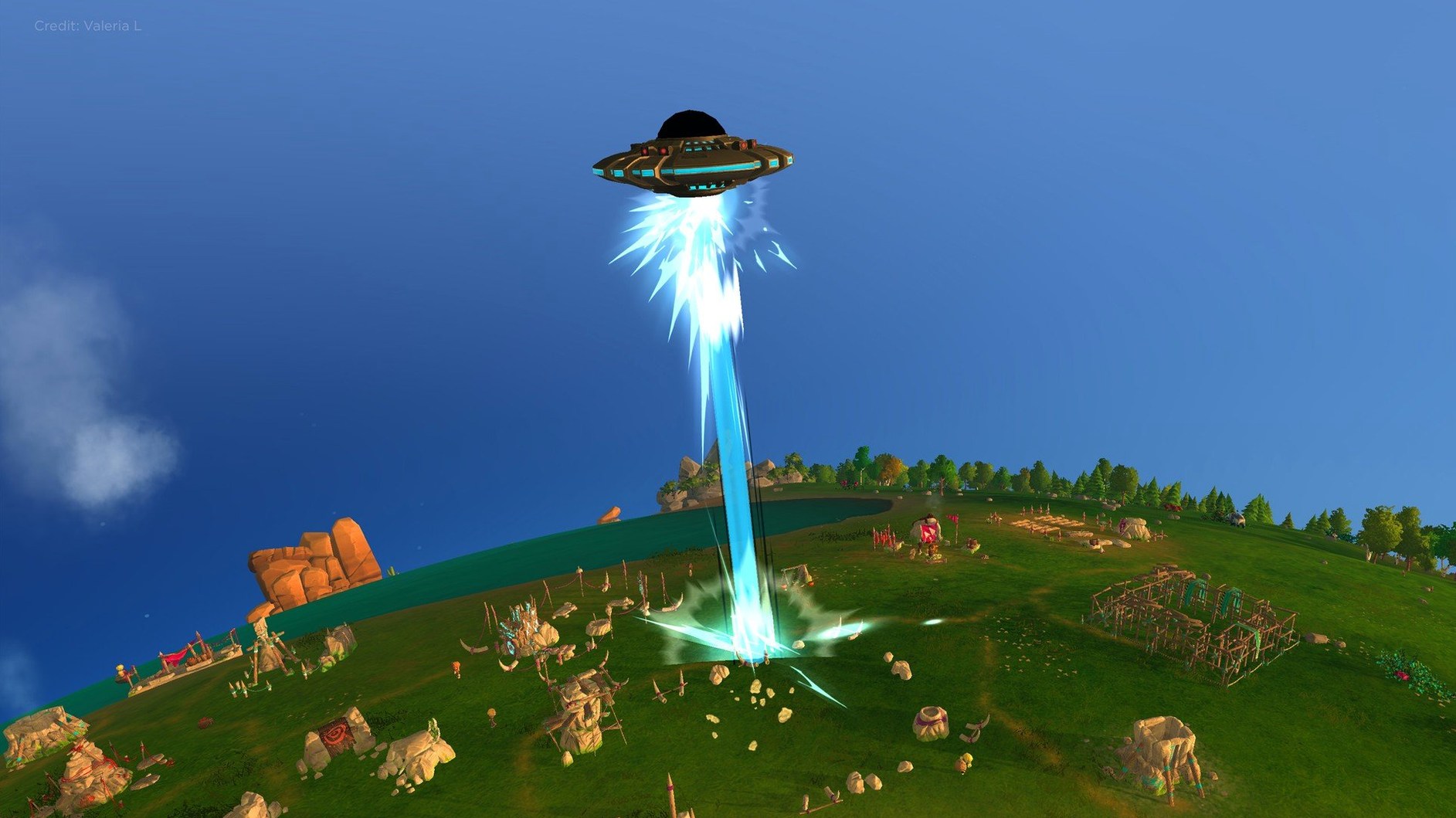
A divine power called Lightning Strike sits on my bar, so I zap a nearby rock formation to clear a patch for a water pump. Nothing dramatic — just a flash and some rubble. The Nuggets scurry over and start building. I open the traits panel on one of them. His entertainment stat is already dropping, so I drop a fruit bush near the camp. He beelines for it. Small cause, small effect. That's the loop.
Night falls fast. The temperature dips sharply, and a wolf pack spawns near the treeline. Two Nuggets get attacked before I can throw down a campfire. I lose one. The population counter ticks down by one, and the survivors' happiness takes a hit. I can't micro-manage the fight; I can only place a light source and hope they gather. That feeling — of nudging rather than controlling — defines the whole session.
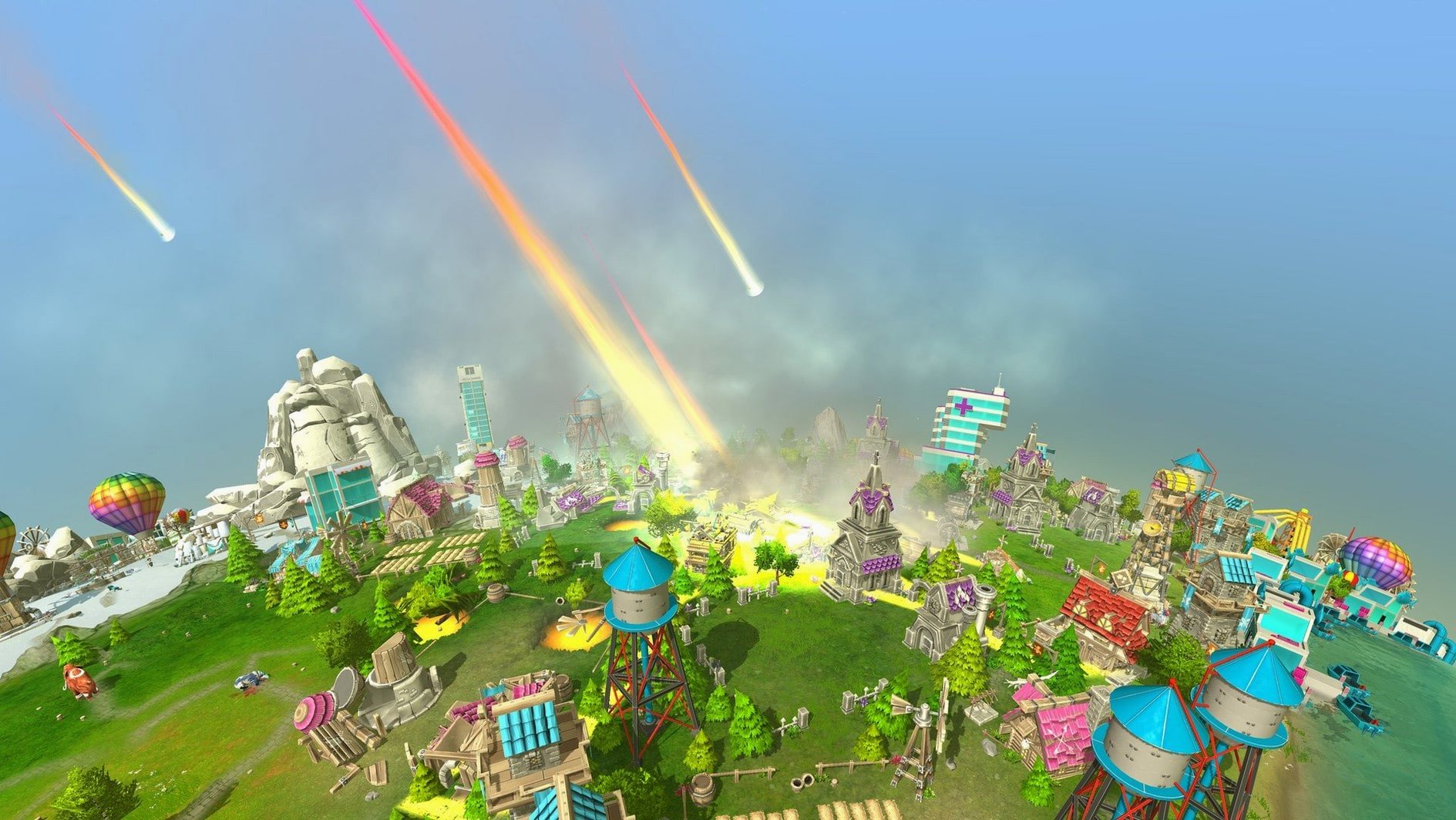
By the time I hit the medieval era, I've stripped three forests. The global temperature nudges upward. A tooltip warns me that the deer population is "dwindling." I stop hunting them and switch to farming, but the ecosystem has already shifted. A tornado event sweeps through the next season and takes out a granary. The Nuggets rebuild. I zoom out and watch the temperature graph slope gently upward. That's the sandbox at work: no scripted disaster, just a chain of my own decisions coming back in weather form.
What the Intel binary feels like on Apple Silicon
The .dmg contains a 64-bit Intel executable, and my Mac mini M4 runs it through Rosetta 2. On a medium-sized planet with about two hundred Nuggets visible, the frame pacing sits in the 50–60 fps range at 1440p with effects on high. When a tornado kicked up dust and debris across a settled zone, I saw one dip into the mid-40s. It recovers fast. Memory usage hovered around 3.2 GB after a two-hour session, which is reasonable for a simulation tracking individual traits and a full ecosystem state.
Stability was uneventful in a good way. No crashes across three separate sessions. The auto-save fires every few minutes, and loading a save from the main menu takes about twelve seconds. If you play on a MacBook, expect the fans to spin up after half an hour — the particle effects during disasters push the GPU. Rosetta 2 carries the load without any visual glitches I could spot, but a native ARM slice would likely cut the heat and let the frame graph stay flatter during storms.
Where it sits next to similar god games
Compared to WorldBox, The Universim takes the opposite approach. WorldBox gives you a sandbox toy chest: drop an orc, drop a nuke, watch. The Universim makes you live with the fallout. You cannot erase a species collapse with a single click, and the simulation remembers your mistakes. WorldBox is a chaos engine; this is a long-term relationship with a planet.
Dawn of Man shares the era-progression structure and the focus on resource chains, but it lacks the divine-ability layer. In Dawn of Man you're a city planner with a hunting queue. Here you're a god whose toolset includes lightning and ecological pressure. The Nuggets' individual traits also push The Universim closer to a creature sim like Dwarf Fortress, though with far less text-driven narrative. It splits the difference: more systemic than Dawn of Man, less spreadsheet-deep than Dwarf Fortress, but with a planetary simulation neither of them attempts at this scale.
- This version, build
1.2.00.48216, is a fix release addressing issues from the previous build.
- Architecture: 64-bit Intel (Apple Silicon Macs run the game via Rosetta 2)
- Interface languages: English, Russian, German, Spanish, Italian, Traditional Chinese, Simplified Chinese, Korean, Portuguese, French
Comments 0
Sign in or create an account to leave a comment.
No comments yet. A codec, a slice, a machine — they appear after moderation.