Chilla's Art The Caregiver for macOS
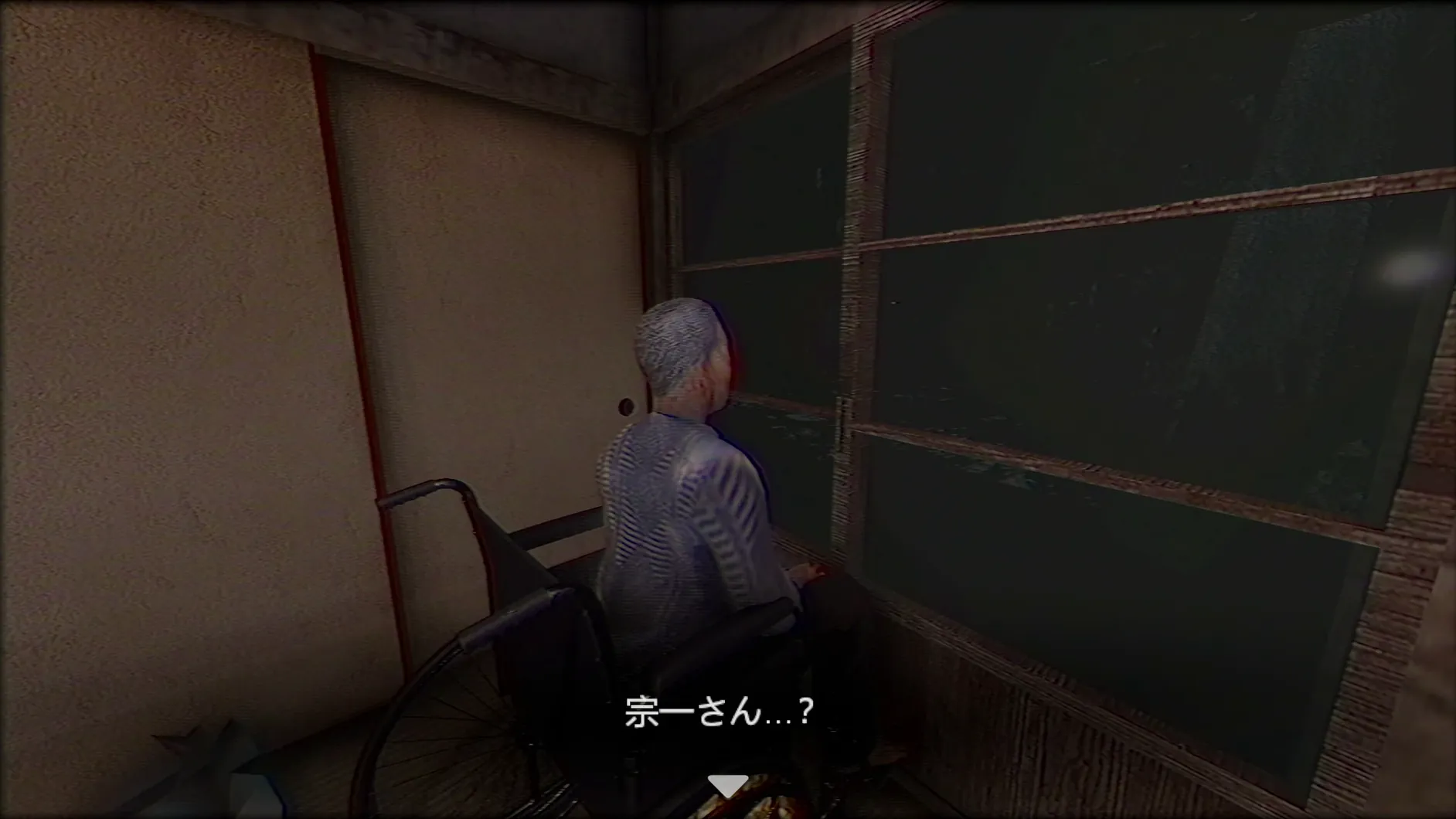
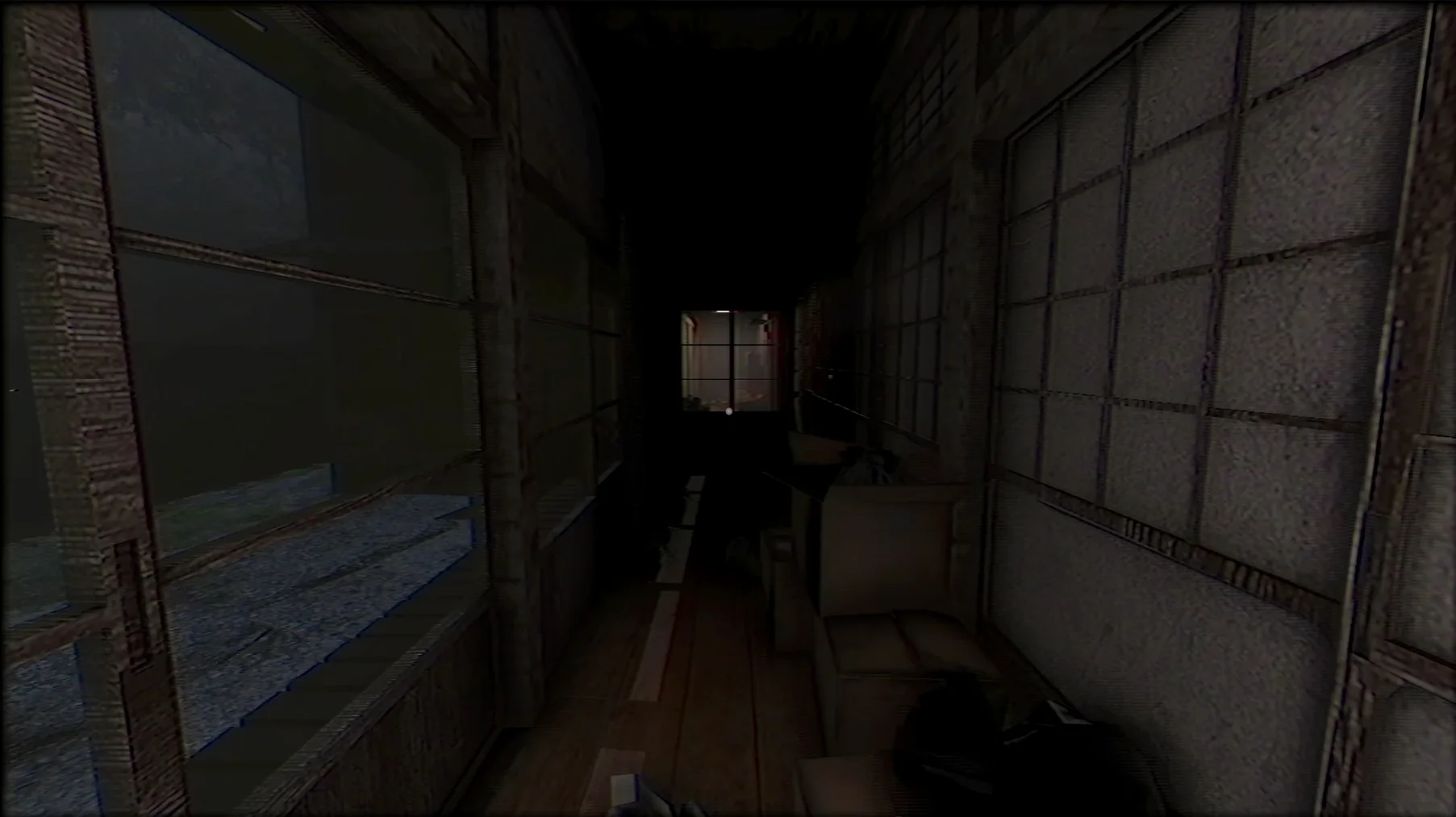
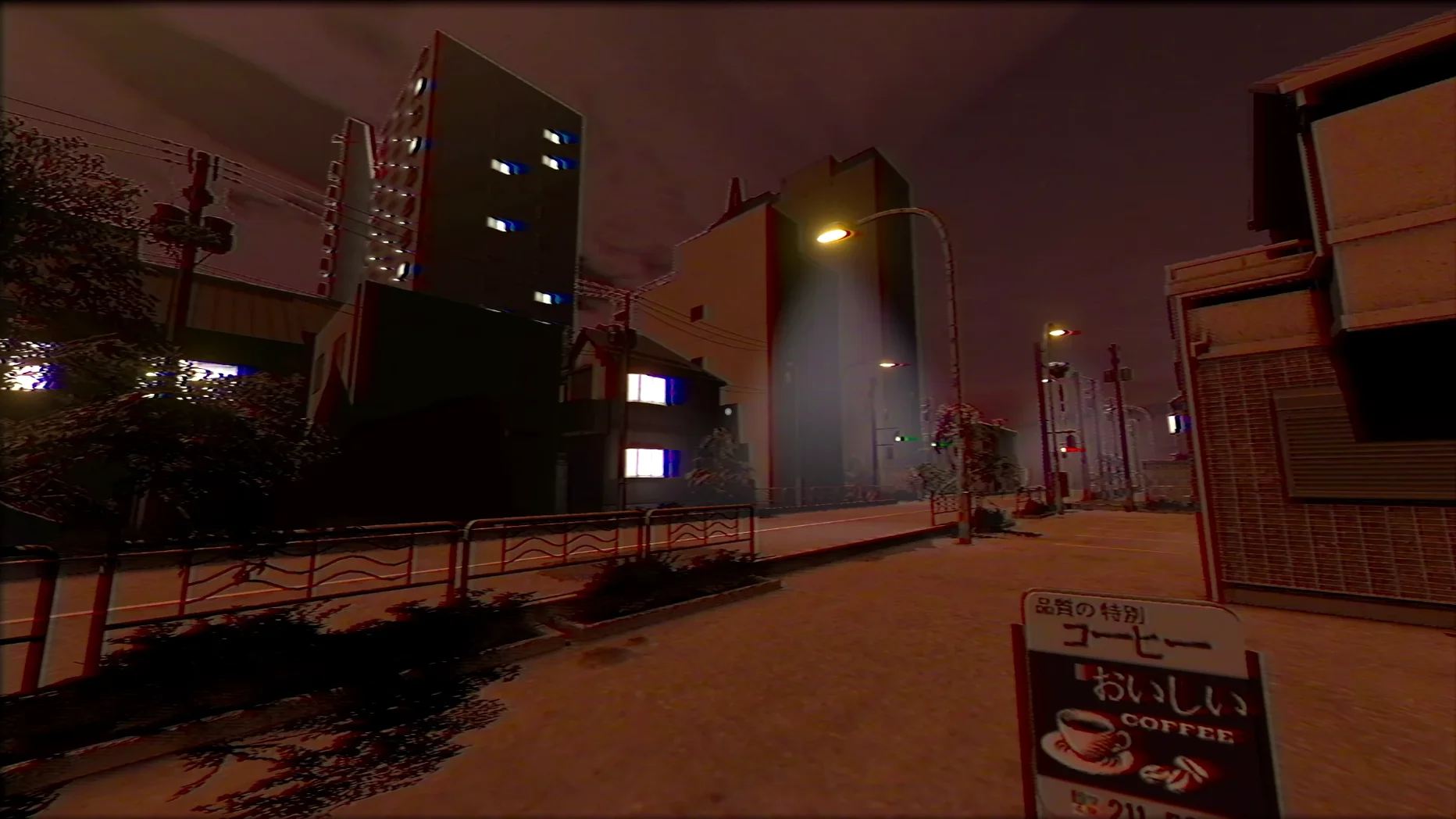
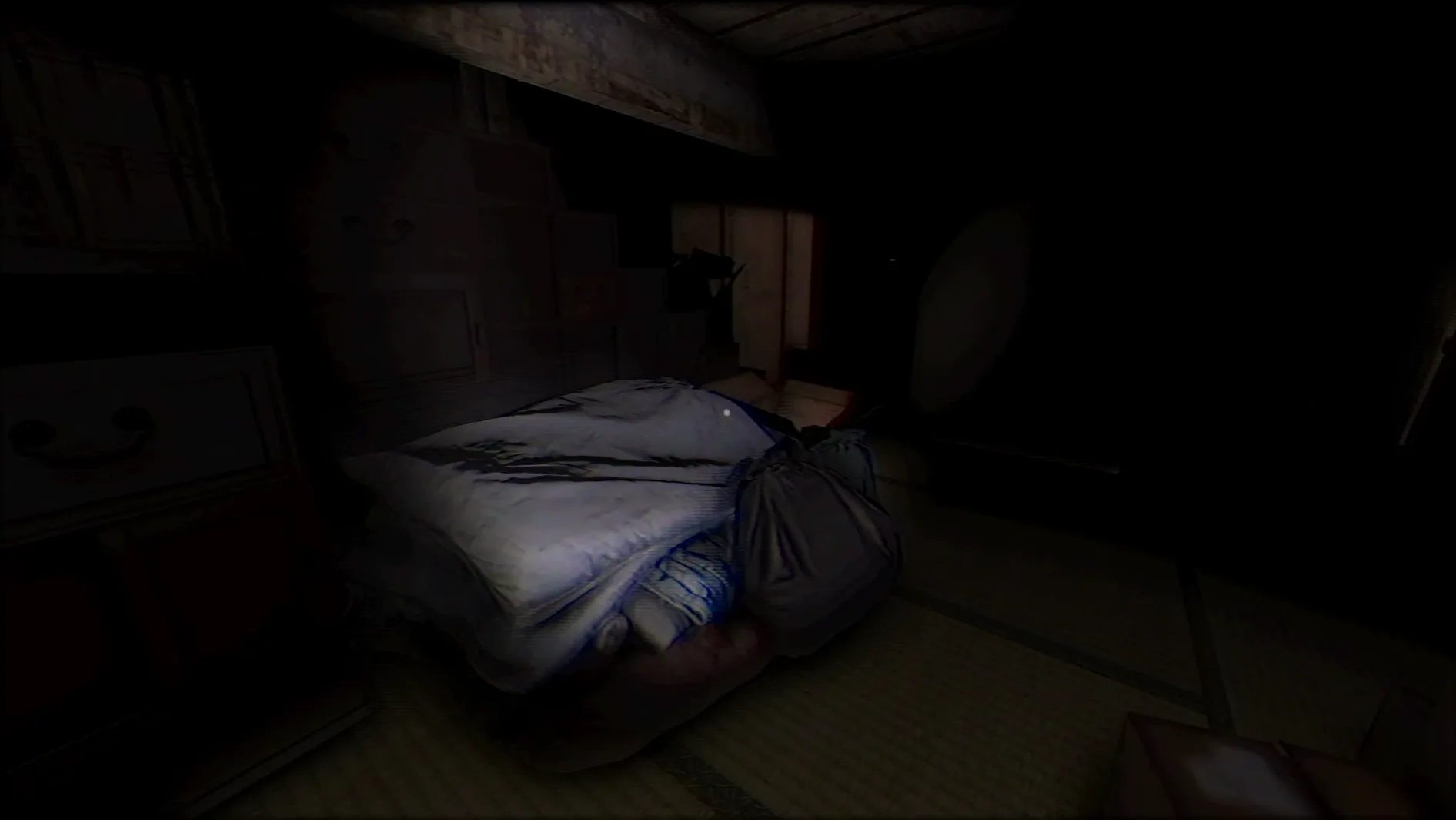
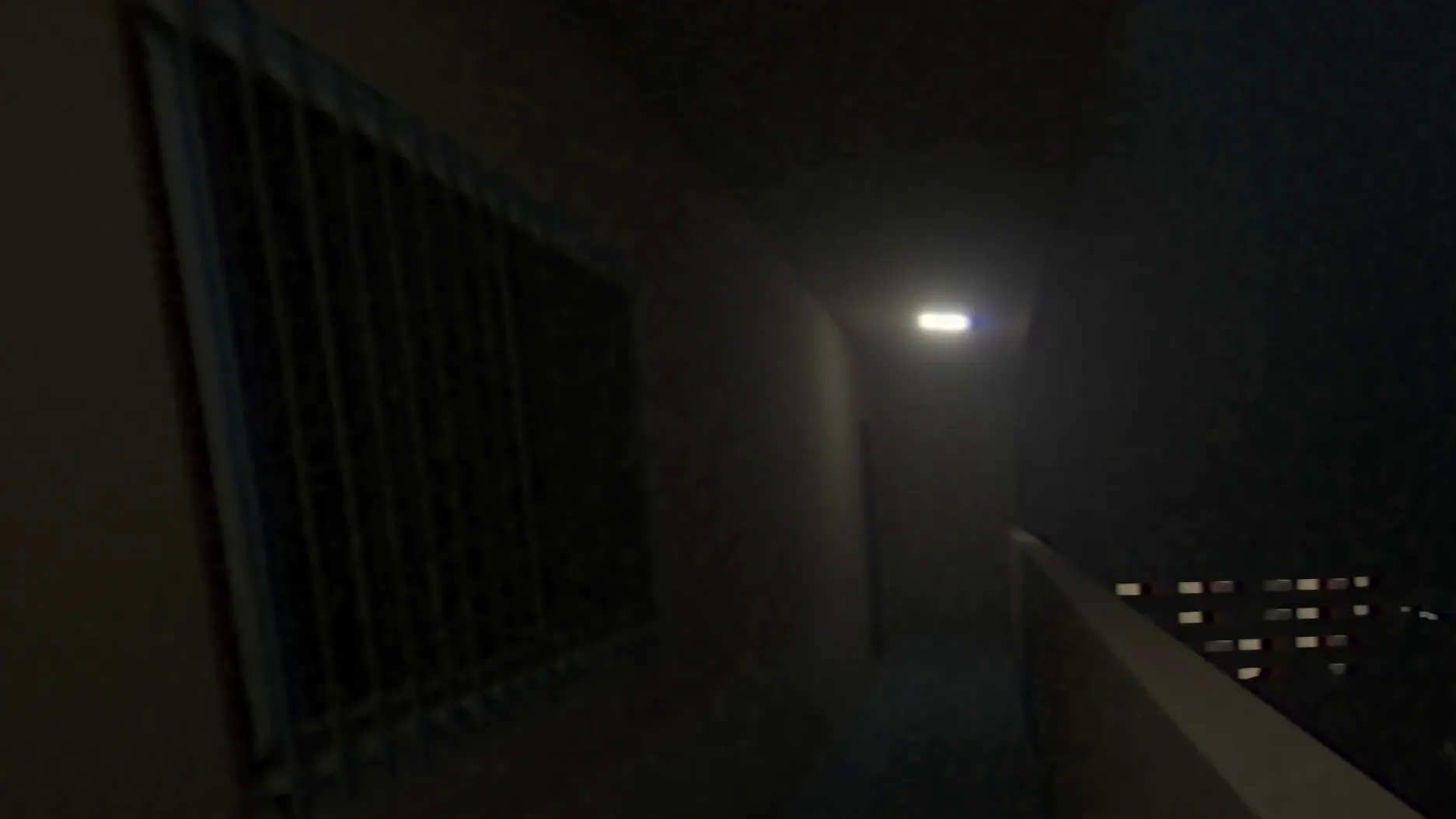

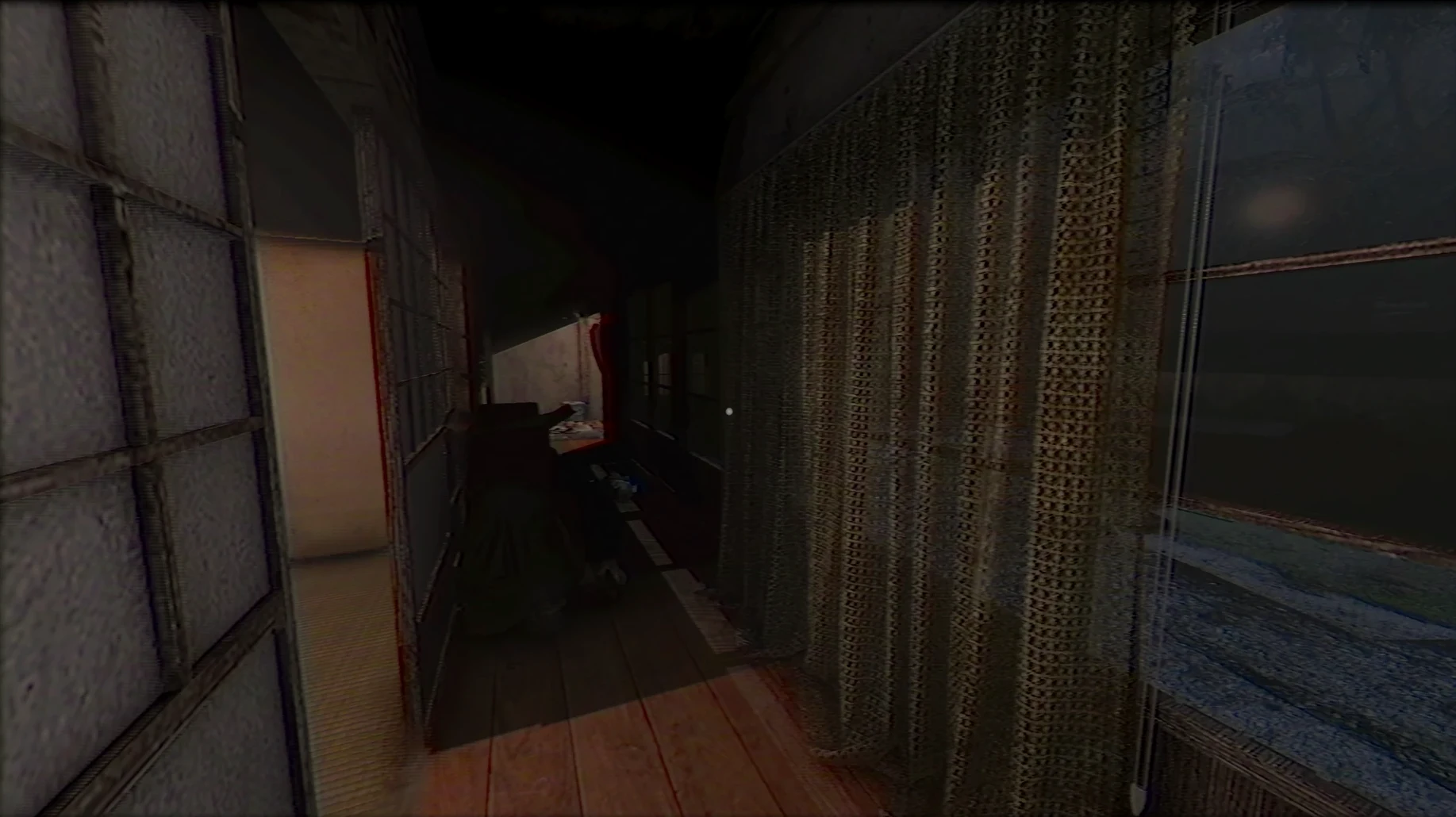
The game gives you seven errands on a whiteboard. Most are mundane: clean the patient's room, prepare a meal, take out the trash, check the mailbox. The house is a modest Japanese residence with sliding doors, tatami mats and a narrow kitchen. You walk from room to room in first person, holding a checklist in your head.
The house reshuffles itself while you run errands
You perform small caregiving tasks for an unseen patient while the house quietly rearranges itself behind your back. A hallway that led to the bathroom now ends at a wall. A door you closed is open again. The errands keep you moving through the space, which is what makes the changes land.
How does the horror build?
It builds through routine. You clean a room, you hear a sound, you turn around and something is different — not a jump scare, just wrong. The unpredictable events are woven into ordinary actions, so you never know which trip to the kitchen will be the one where the game stops behaving.
How long is a typical session?
The full experience runs under an hour. There is no combat, no inventory management — just the errands, the patient and the growing sense that the house is watching you.
What small shortcuts do people miss?
There is no sprint key, but you can speed up room transitions by positioning yourself close to a sliding door before opening it — the animation is shorter when your character is already near the threshold. A few players never discover that the whiteboard in the main hallway updates after each errand; glancing at it between tasks beats wandering around wondering what comes next.
The game does not pause during the inventory screen, so opening it while standing in the hallway is safer than doing it inside the patient's room. And if the ambient audio drops out after alt-tabbing, toggling the window focus with Cmd+Tab twice usually restores it.
Wineskin wrapper keeps it invisible to Screen Time
The Wineskin wrapper means the game runs inside a self-contained Windows emulation layer, so it does not appear in Screen Time reports or Game Center. Mission Control treats it as a standard window — you can swipe between desktops with the game running, though backgrounding it for too long sometimes desyncs the audio loop. I keep it on its own space to avoid accidental clicks during tense moments.
If you use a capture card or OBS for recording, the window shows up as wine64-preloader in the source list. The game respects system volume and mute keys, but it ignores the system dark mode setting entirely — the wrapper draws its own window chrome. For players grabbing Chilla's Art The Caregiver Mac torrent, this build sidesteps the usual Wineskin audio crackling by preloading the XAudio2 library from the Fix script on the disk image, so run that before launching if the voice lines sound garbled.
Skipping the Fix file breaks voice lines late-game
The most common one is launching the app directly after copying it, skipping the Fix file. The game will start, but Japanese voice lines may play as static, and one of the late-game errands can hang on a black screen. Mount the .dmg again, run Fix, and restart — that rewrites the Wine prefix permissions correctly.
Another mistake is treating every environmental change as a scripted event. Sometimes a sliding door stays open because you brushed against it while turning, not because the house decided to unsettle you. Learning which creaks are physics and which are narrative takes a second playthrough, and the game is short enough that a second run feels like a director's commentary.
Finally, some players try to sequence-break the errands list. The game does not punish you for doing tasks out of order, but skipping the mailbox run early on means you miss a handwritten note that recontextualizes the final room. Follow the whiteboard order on your first go.
- Architecture: Apple Silicon
- Build: 1.03 via Wineskin — tested on macOS Tahoe with a Mac mini 2024 M4
$ man chilla-s-art-the-caregiver | grep -A2 "?"
Is The Caregiver a single-player game?
Yes, it is a single-player horror adventure published by Chilla's Art on Steam.
Does the house actually change during play?
Yes — rooms shift, doors open on their own and the layout evolves as unpredictable events interrupt your errands.
What language is the interface?
The game's interface is in English.
Comments 0
Sign in or create an account to leave a comment.
No comments yet. A codec, a slice, a machine — they appear after moderation.