Dispatch for macOS
Who plays a superhero workplace comedy
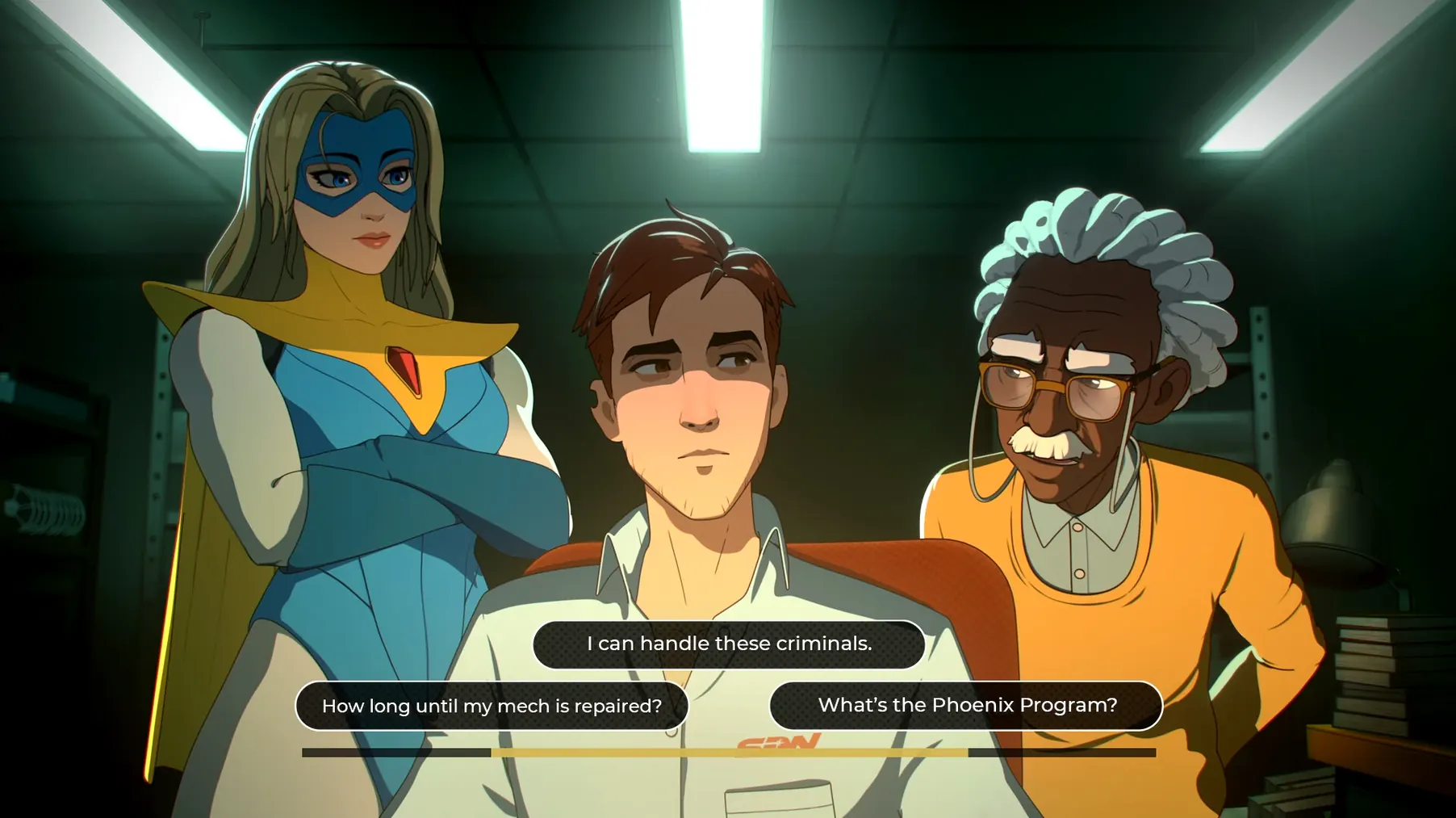
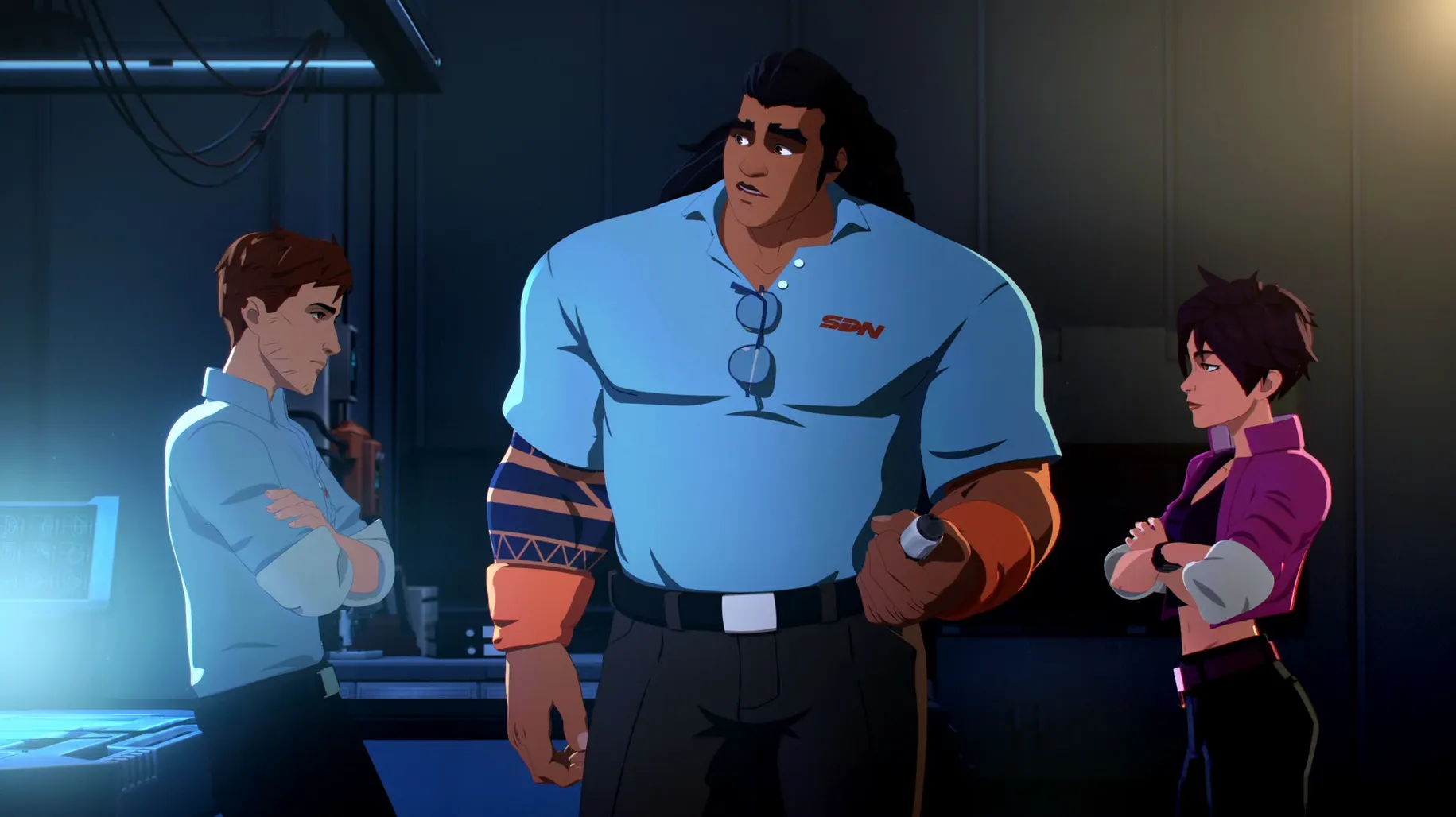
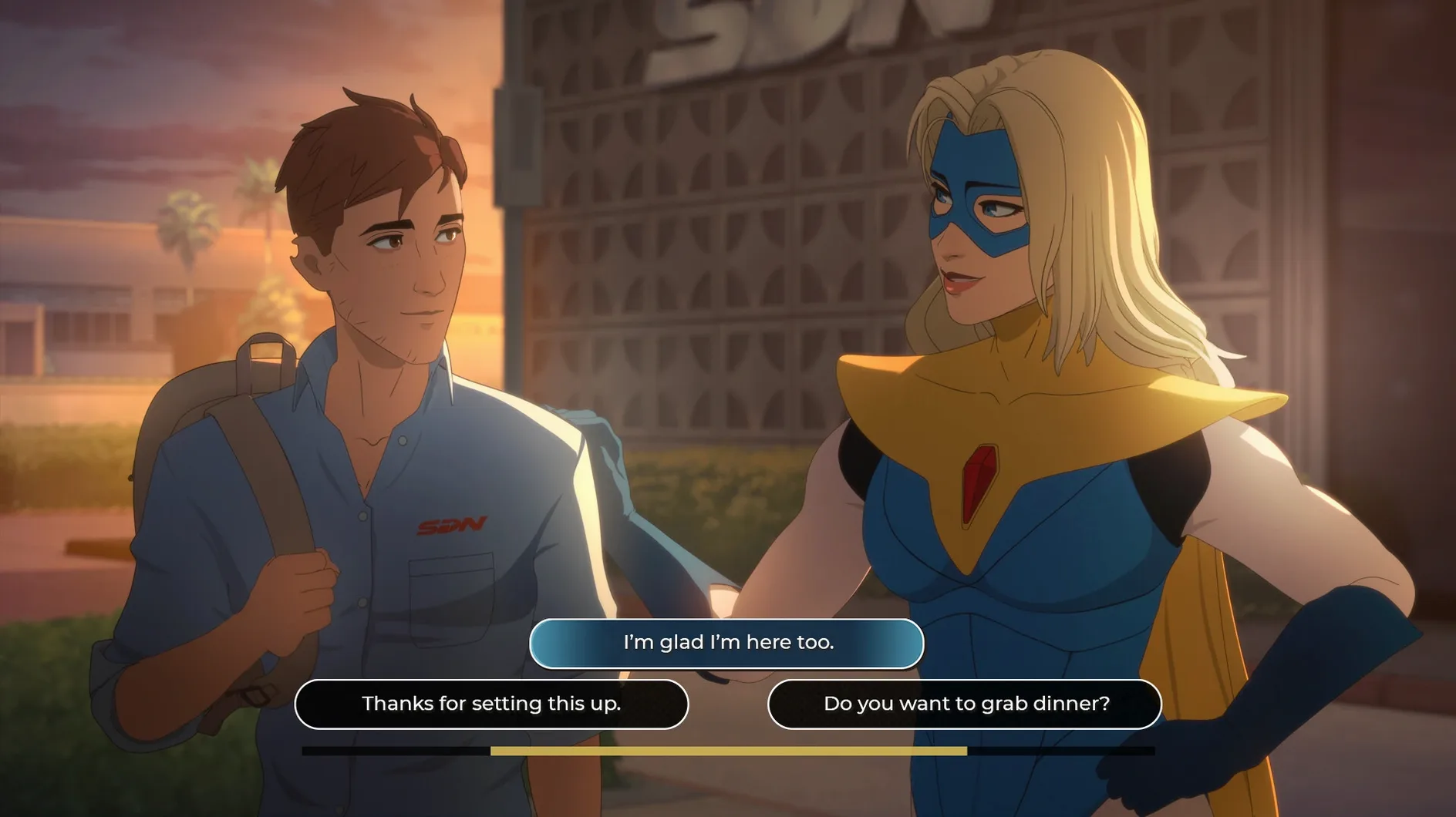
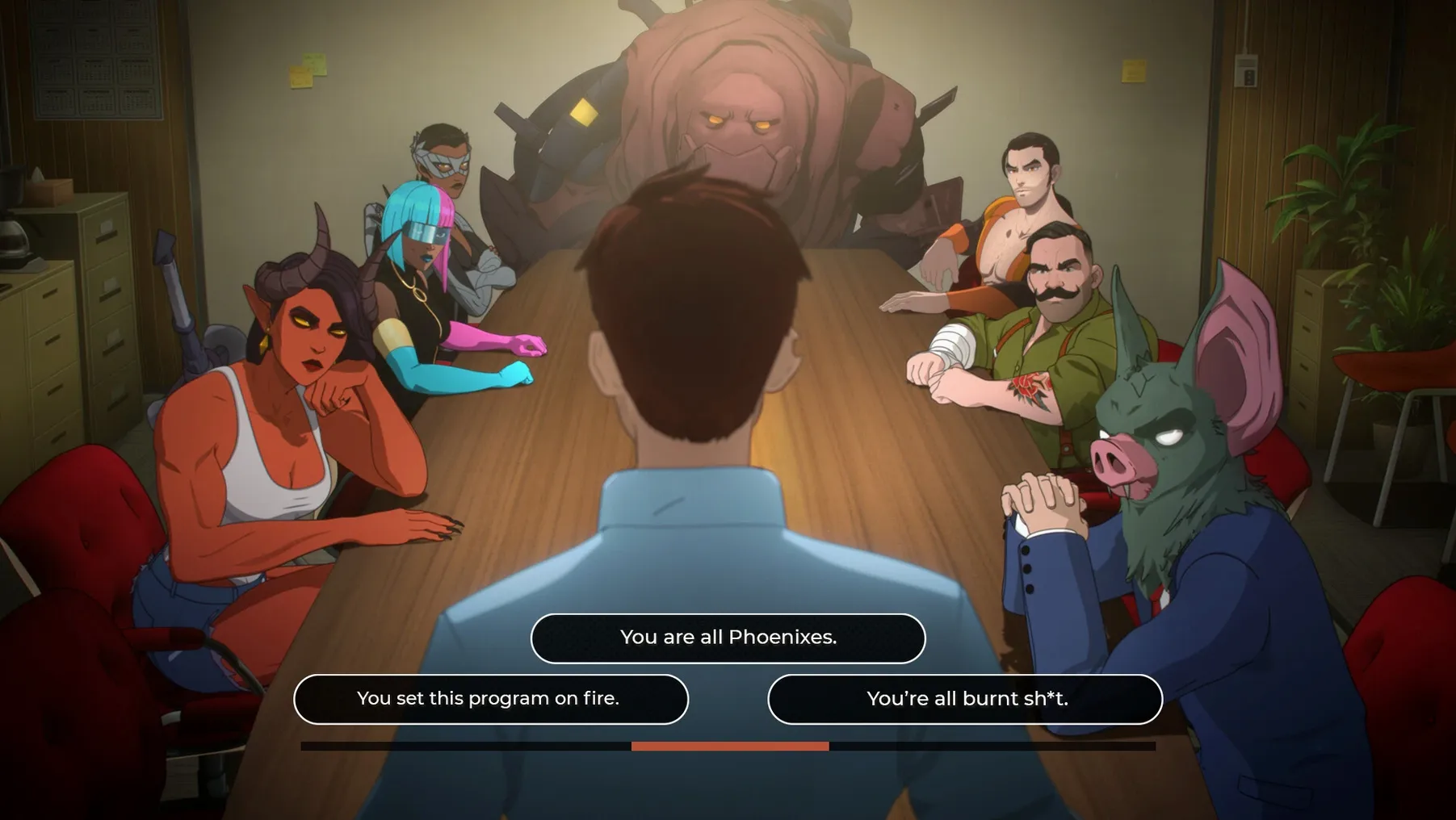
Fans of narrative-driven games from the writers behind Tales from the Borderlands and The Wolf Among Us will feel right at home. You step into the exosuit of Robert Robertson, a.k.a. Mecha Man, managing a dysfunctional hero team through dialogue choices that shift loyalty and relationships.
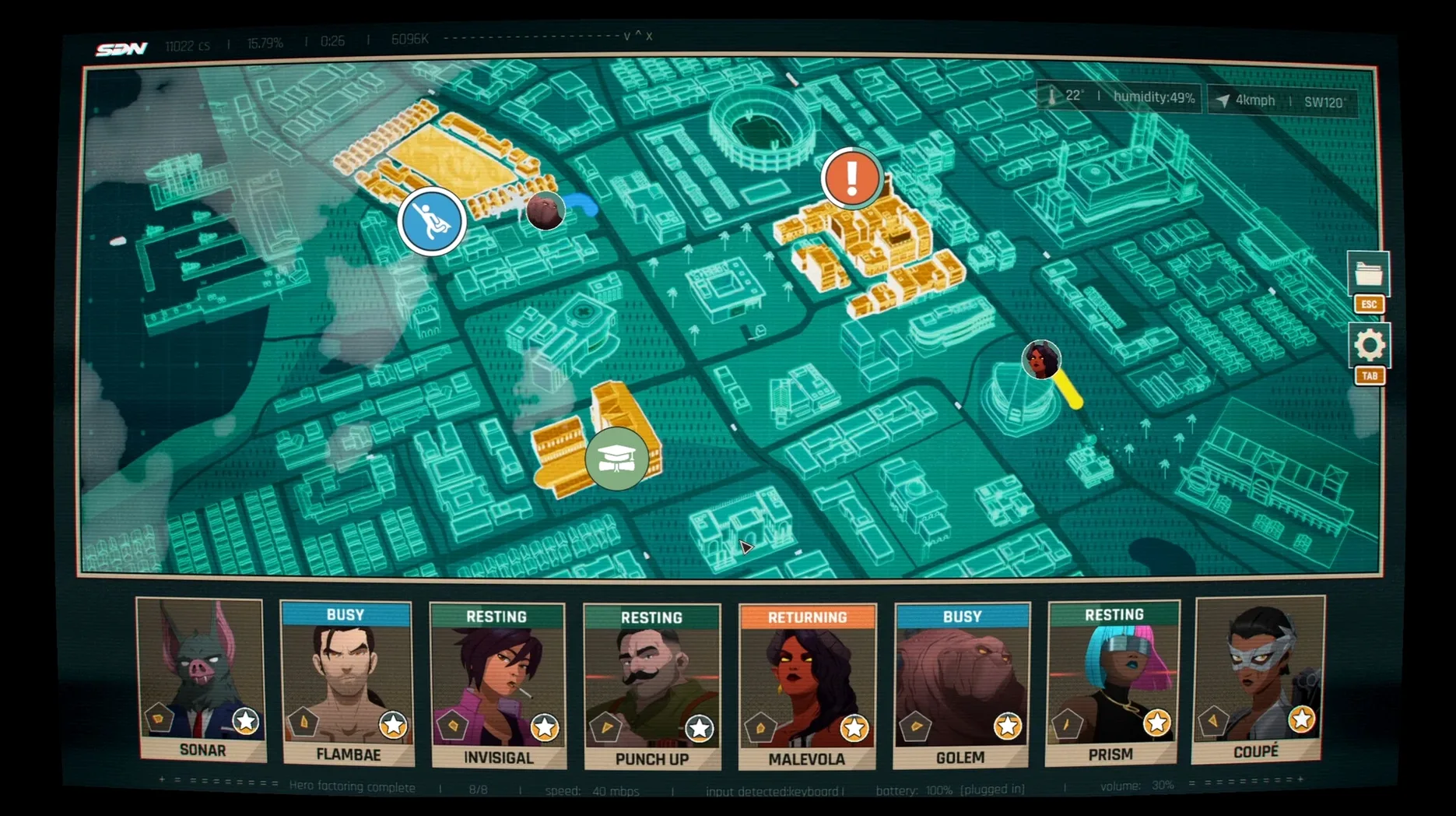
Checking the strategic map
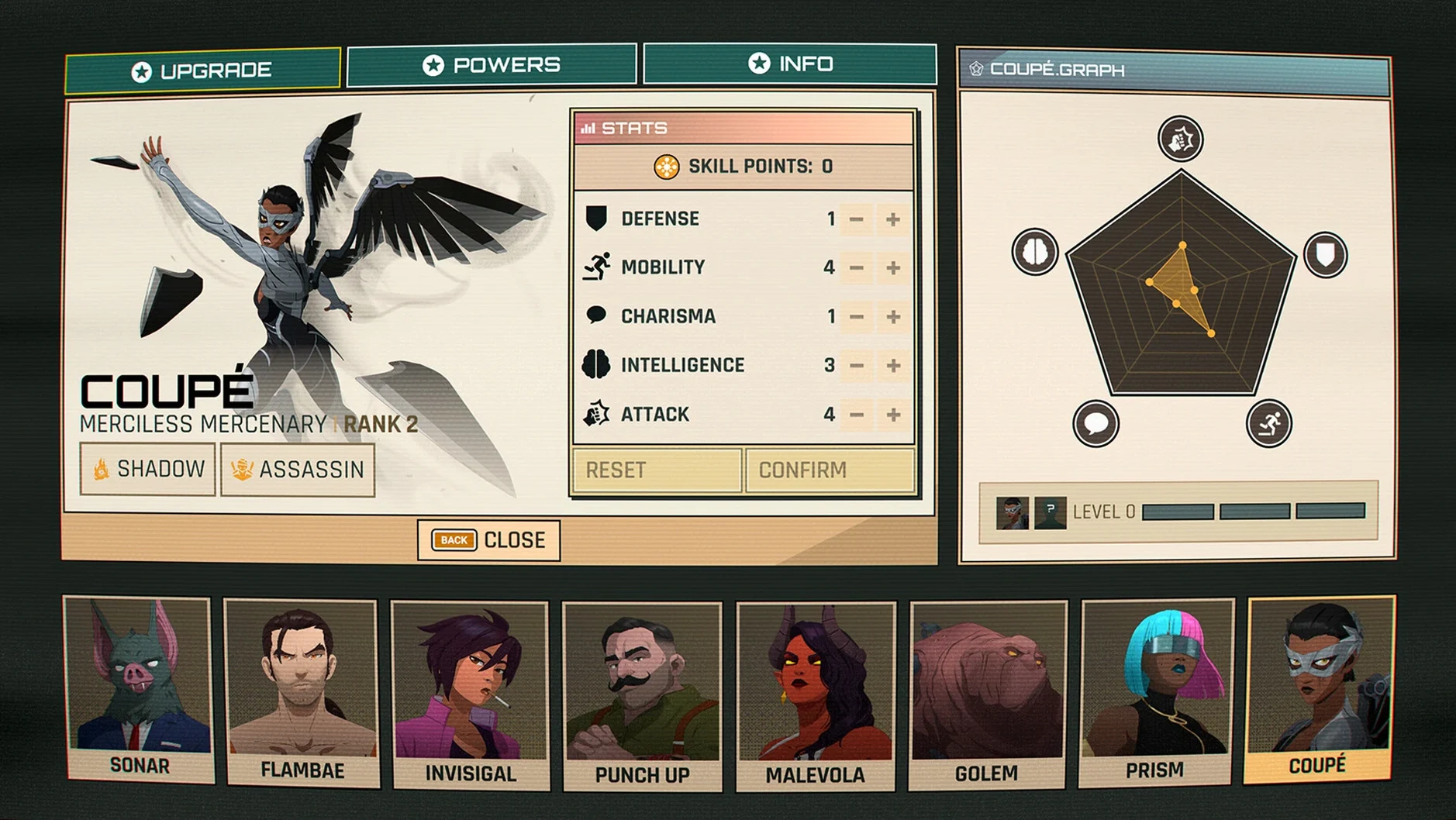
The core loop revolves around a strategic map of Los Angeles. You scan for emergencies, then decide which hero to dispatch while weighing their skills and current mood. Improving hero abilities through the campaign changes how smoothly those calls play out.
Running Dispatch on a Mac
The game runs natively on Apple Silicon, and on an M4 Mac mini the tactical map and dialogue scenes stay responsive without the fan spinning up. Controls map cleanly to mouse and keyboard, with point-and-click navigation through the comic-style panels. Voice work from Aaron Paul, Laura Bailey, and Jeffrey Wright lands with zero audio latency on a Mac's built-in speakers or headphones.
A typical session in the dispatch chair
You fire up the game from Launchpad or the Applications folder. The comic-book menus slide in, and you pick up your last save. Robert is slumped at his console, coffee in hand, scanning a map of Los Angeles blinking with three emergencies. You mouse over a hostage situation in Koreatown and the tooltip reveals the police are overwhelmed — a job for someone with crowd control. You open the roster, glance at the loyalty meters, and notice Frostburn is sitting at “disgruntled” after the last mission. Sending him now might backfire.
Instead you tap Nightveil, whose stealth rating is high enough to handle it clean. The dispatch screen fades into a comic panel, dialogue kicks in, and a choice wheel appears. You pick the sarcastic response — it fits Robert’s voice — and Nightveil’s trust nudges up a tick. Back on the map, a new event fires: a supervillain sighting downtown. You check skill cooldowns, weigh the remaining team members, and send two heroes together because the trait synergy preview shows a bonus. The scene plays out, a loyalty unlock triggers, and you bank some upgrade points before you call it a night. A full session runs thirty to forty-five minutes, covering three to five crises, a chunk of hero banter, and one or two backstory reveals in the agency break room.
The app quit at launch after one Dock bounce
The most common hiccup shows up right at launch. If the app bounces in the Dock once and quits, the Wineskin wrapper didn’t initialise correctly. Open the .dmg again and run the Fix file sitting next to the app, then relaunch. That rewrites the wrapper’s config and clears the sandbox cache. On macOS Tahoe, Gatekeeper sometimes quarantines the binary after the first run; if you see a “damaged” error, right-click the app, hold Option, and choose Open to bypass the check. You only need to do it once.
A less obvious snag: the map scrolls sluggishly when the mouse polling rate is above 500 Hz. Reducing it in your mouse utility or switching to a trackpad for that section smooths it out. The save system uses auto-slots at scene transitions, so if you quit mid-dialogue you lose a few lines of conversation. Always finish a dialogue beat before exiting. Finally, some players report missing voice lines when Bluetooth headphones reconnect during a scene — pausing and unpausing forces the audio engine to re-sync.
M4 Mac mini holds 60 fps except during crisis particle effects
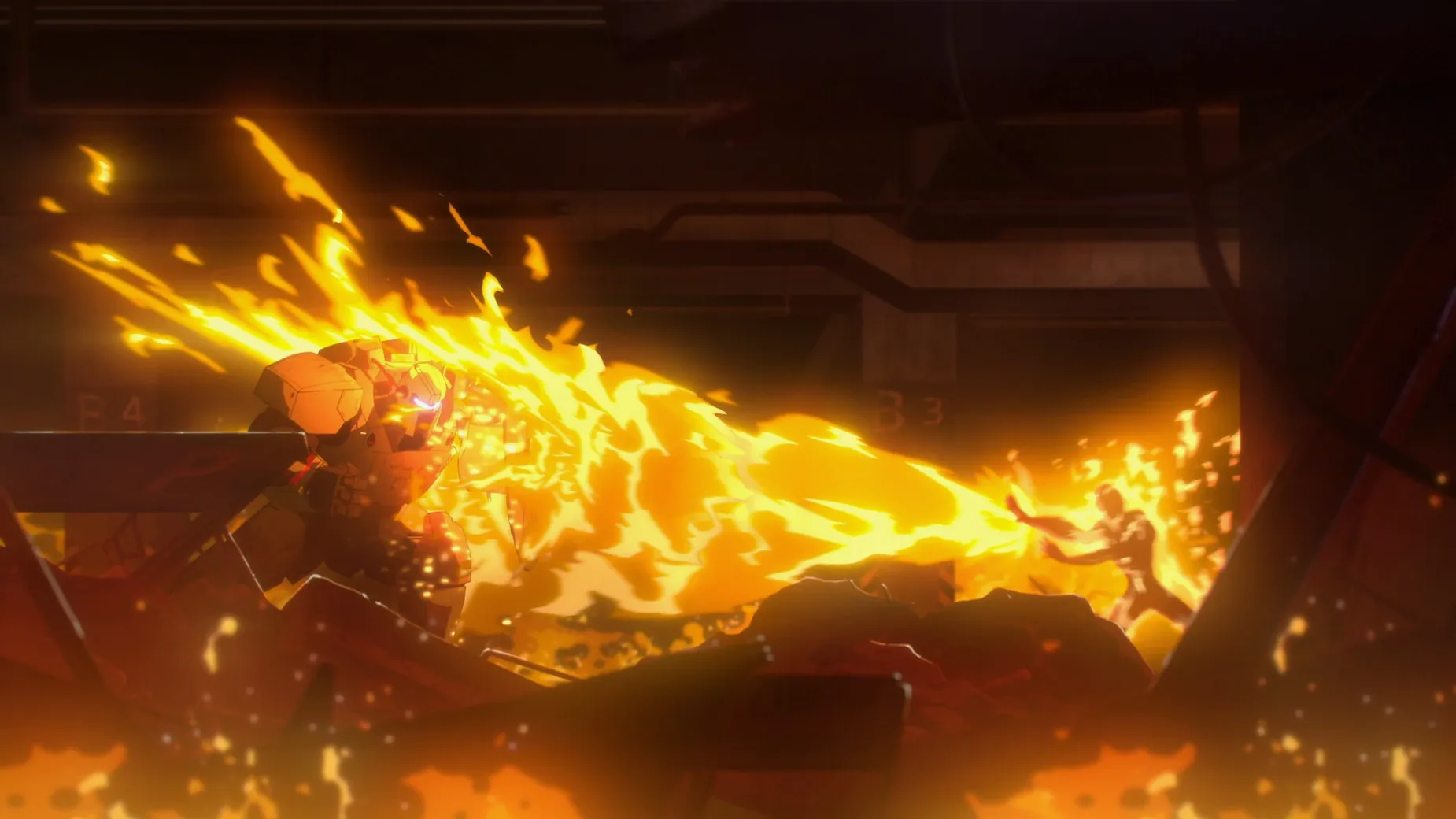
On an M4 Mac mini the game stays above 60 fps during the 2D comic panels and map view, with only brief dips to the mid-50s when multiple particle effects layer over a crisis scene. Memory pressure stays green at around 1.2 GB of RAM usage, leaving plenty of headroom for a browser or notes app on a second display. The Wineskin translation layer adds a short cold-start delay of about eight seconds before the title screen appears, but in-game transitions feel native-speed once the wrapper warms up.
Over a dozen sessions I hit one crash-to-desktop when alt-tabbing during an auto-save write — the wrapper’s file handle locked up. Relaunching picked up the auto-save with no progress lost. Battery drain on a MacBook Pro M-series clocks roughly 9% per hour, which is reasonable for a title running through a compatibility layer. The fan curve stays flat across two-hour stretches, so you can play through a whole story chapter without the machine kicking into audible cooling. For a game delivered via Dispatch for Mac cracked wrappers, the stability is surprisingly tidy — closer to a lightweight native port than to the jankier Wine bundles floating around.
- macOS version: check current App Store listing
- Architecture: Apple Silicon
$ man dispatch | grep -A2 "?"
Which languages are supported in the interface?
Dispatch includes English, German, Spanish, Italian, French, Portuguese, Japanese, Korean, Traditional Chinese, and Simplified Chinese.
Does the game run natively on Apple Silicon?
Yes, the current version is built for Apple Silicon and does not rely on Rosetta 2 translation.
How do choices affect the game?
Dialogue and dispatch decisions shift hero loyalty and interpersonal relationships, altering how the story unfolds.
Comments 0
Sign in or create an account to leave a comment.
No comments yet. A codec, a slice, a machine — they appear after moderation.