DiRT 4 for macOS
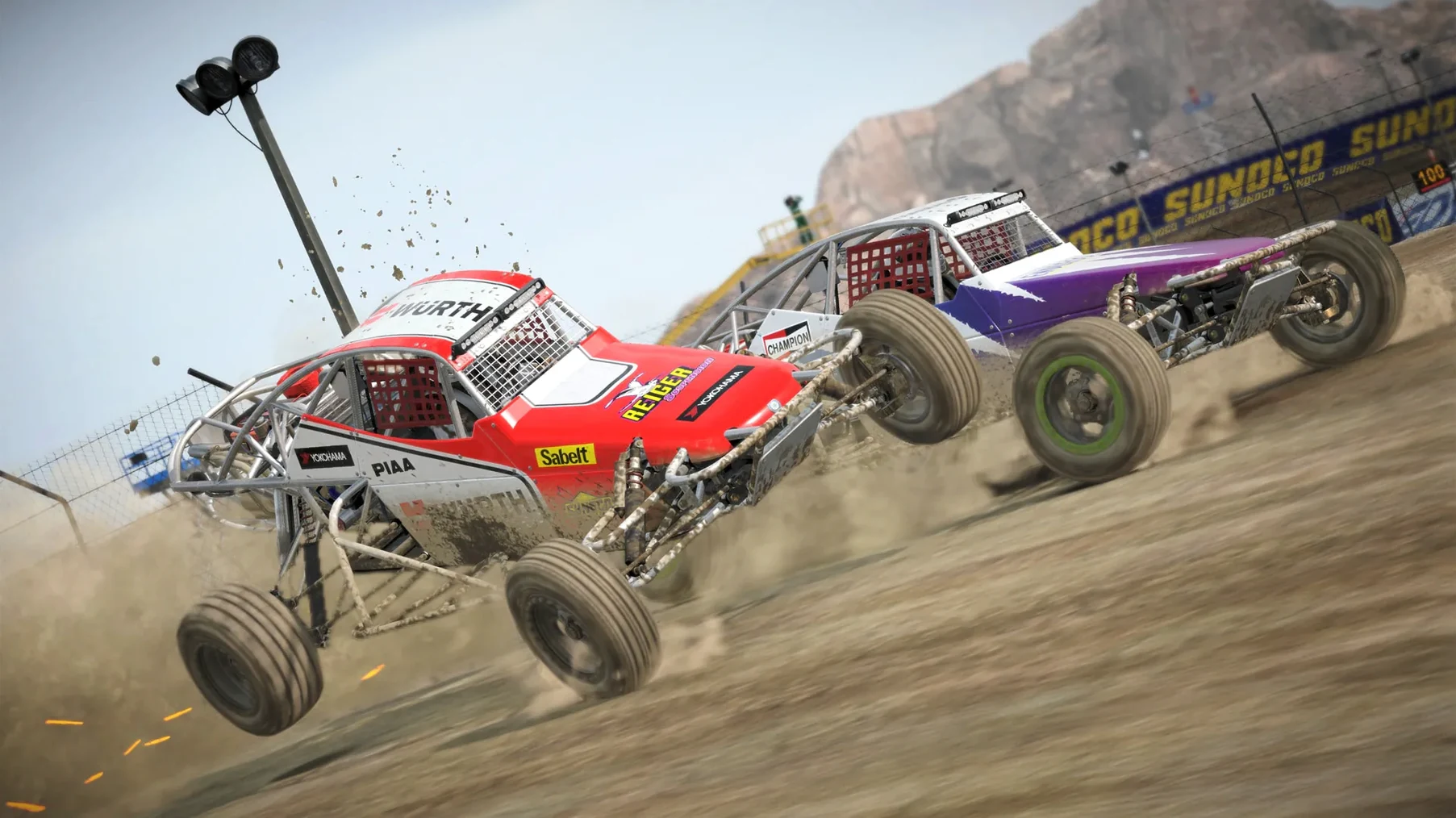
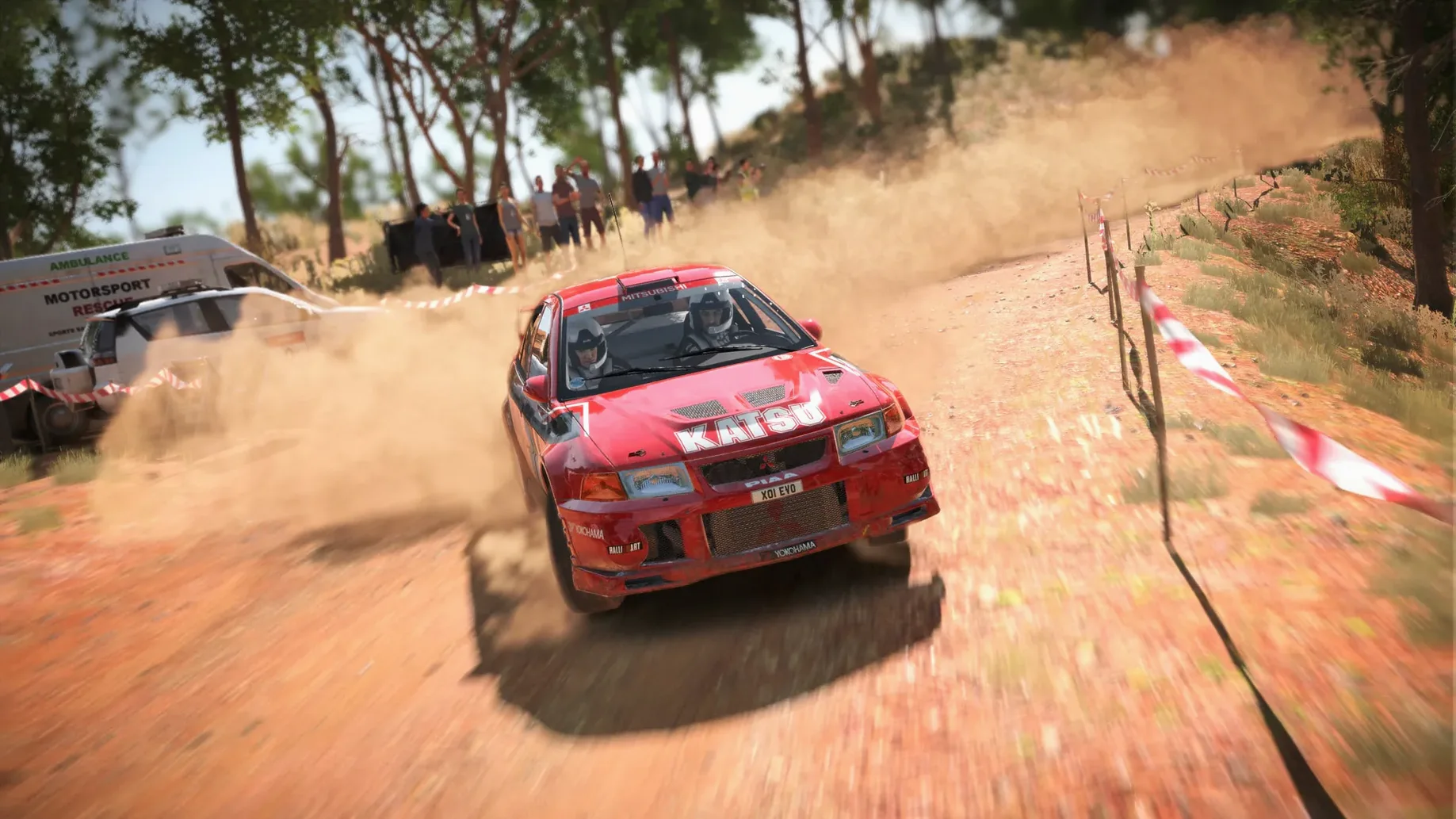
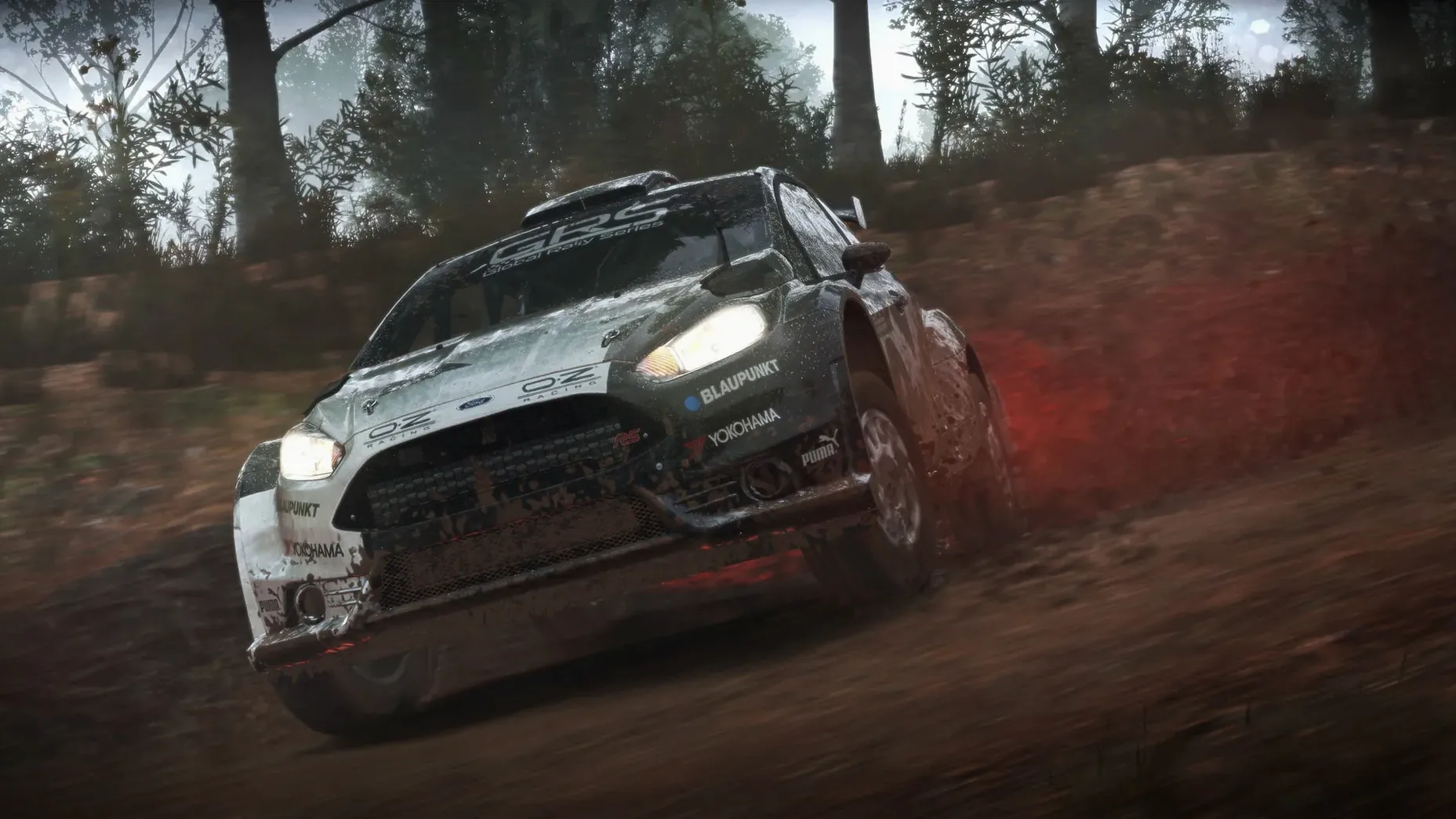
The Your Stage system doesn't just randomize — it builds routes from parameter sets. Term — route seed: a short string the game expands into a full stage with elevation changes, surface degradation, and corner sequences. Term — rallycross: circuit racing on mixed-surface tracks, separate from the point-to-point rally stages. Term — handling model: the Mac build shares the PC's two-tier setup, so you choose between a more arcade-like feel or a simulation mode that punishes weight transfer mistakes. The game runs under Rosetta 2 on Apple Silicon; native Intel code means predictable frame pacing on older Mac hardware if you dial the shader detail back.
Older Intel Macs run it without Apple Silicon translation lag
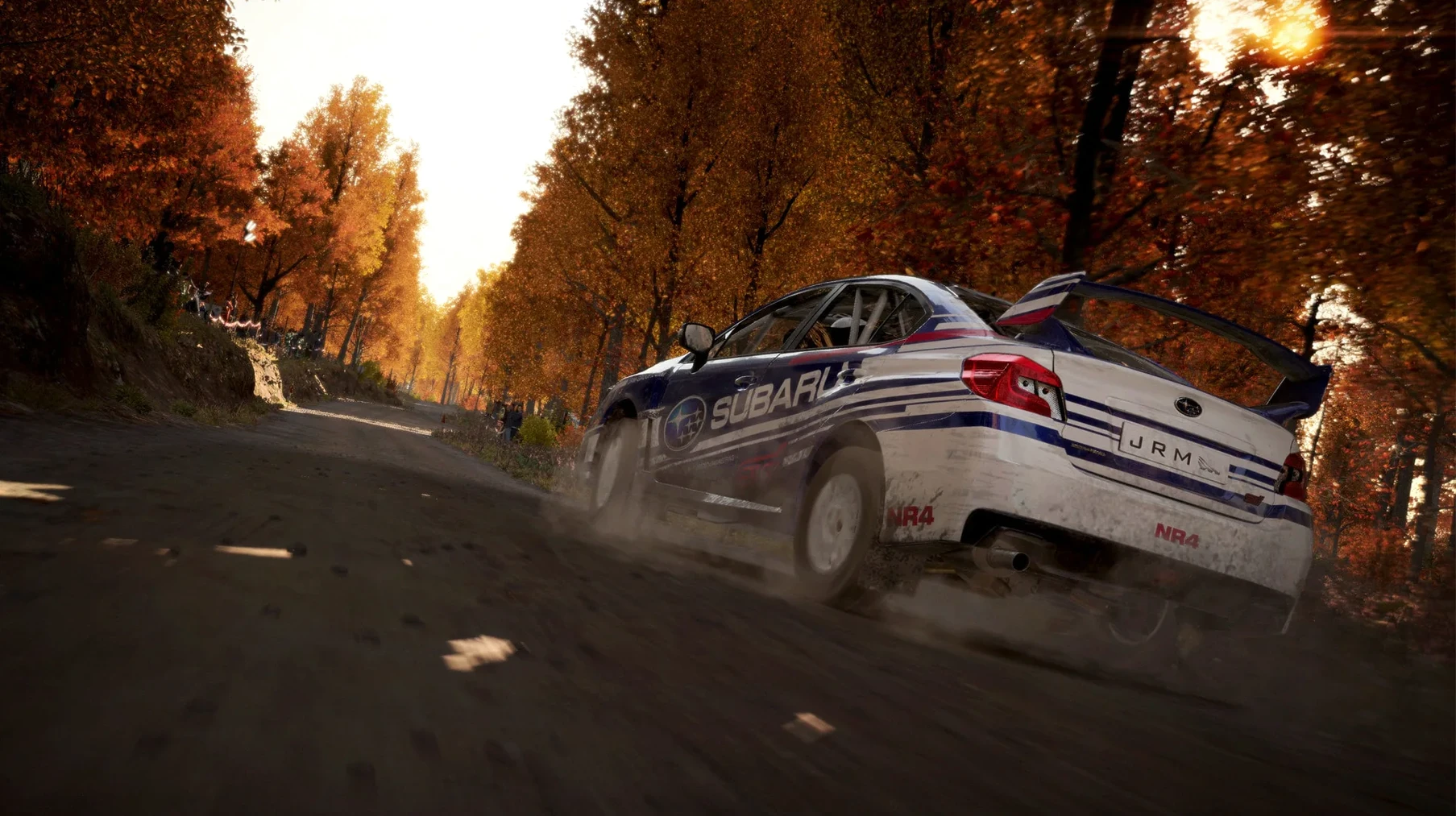
Rally fans with an older Intel Mac get the cleanest deal here — the x86 build sidesteps Apple Silicon translation overhead entirely, so a 2017-era MacBook Pro with discrete graphics can hold 50–60 fps at medium presets. Players who enjoy making content more than chasing leaderboards get enormous mileage from Your Stage; you can generate a fresh rally every lunch break and never drive the same sequence of hairpins twice. Off-road newcomers who bounce off pure sims like DiRT Rally also land softer here because the two-tier handling lets you start in the forgiving gamer mode and switch to simulation only when you're ready to catch your own oversteer.
If you own a Mac mini with an external wheel — even an older Logitech Driving Force GT — the game's force feedback scales down gracefully on smaller budgets. The six supported interface languages also make it a rare fit for multilingual households where not everyone reads English menus comfortably.
Gamer mode hides weight transfer, so switch early
The most common one: leaving the handling model on gamer mode for fifty hours, then wondering why the car won't rotate under trail braking. Gamer mode masks weight transfer — switch to simulation early enough that you learn corner entry properly, even if it means binning a few stages in Wales. The second mistake is ignoring surface degradation in Your Stage parameters. A dry gravel route with 15% degradation drives completely differently than a pristine one; set the slider wrong and you'll blame the co-driver calls when the rear steps out on loose marbles. The third mistake is running full grids in rallycross without adjusting the AI difficulty — the default setting can be punchy on tight circuits like Lydden Hill, and a new player can end up as a mobile chicane by lap two. Finally, a handful of people skip the .dmg verification step. The disk image contains a signed Feral bundle; if macOS flags it, it's almost certainly because you haven't allowed apps from identified developers in Gatekeeper, not because the image is corrupt.
Launch through the Feral launcher’s three-second Rosetta cache check
You launch from /Applications — the Feral launcher checks the pre-game cache, which on a Mac mini M4 takes about three seconds under Rosetta 2. The menu lands on the career hub. Instead of picking a championship, you open Your Stage, set the location to Australia, surface to dry gravel, length to long, and complexity to 8. The game generates a route seed and draws the stage map in under two seconds — a ribbon of tight left-handers snaking through eucalyptus shadows.
You load the stage with a Group A Impreza. Co-driver calls are set to English, early, and detailed. The countdown beeps; you drop the clutch on the first straight and immediately hear "left five opens into right three — don't cut." Halfway through, a compression jump unsettles the rear, and you catch it with a flick of opposite lock that simulation mode actually requires. The stage ends with a time that's 1.4 seconds off the AI benchmark — good enough to save the seed for later, but not so good that you won't re-run it. You exit to the garage, tweak the rear anti-roll bar one click stiffer, and go again. The whole loop — from desktop to stage exit — is under ten minutes, and the route won't exist anywhere else unless you share the seed string.
That repeatable, low-commitment loop keeps the game alive long after the official rally championships are finished. The Mac build's stability helps: version 1.0.1+ (231610.43321) addressed the few launch-window crashes, and on a clean install it hasn't beachballed once in testing on macOS Tahoe.
- Patch 1.0.1+ (231610.43321) addresses a stability fix in the Mac build.
- Architecture: Intel (x86 64-bit); runs on Apple Silicon via Rosetta 2
- Interface languages: English, German, Spanish, Italian, Polish, French
$ man dirt-4 | grep -A2 "?"
Can you really generate a million routes?
The Your Stage tool procedurally combines location parameters and time-of-day settings to create that many distinct permutations, though you will recognize repeated terrain tiles.
Which Macs can run the DiRT 4 Mac port?
Feral Interactive built the macOS version as an x86 64-bit binary, so it runs on Intel Macs and Apple Silicon machines via Rosetta 2.
Comments 0
Sign in or create an account to leave a comment.
No comments yet. A codec, a slice, a machine — they appear after moderation.