Demeo for macOS
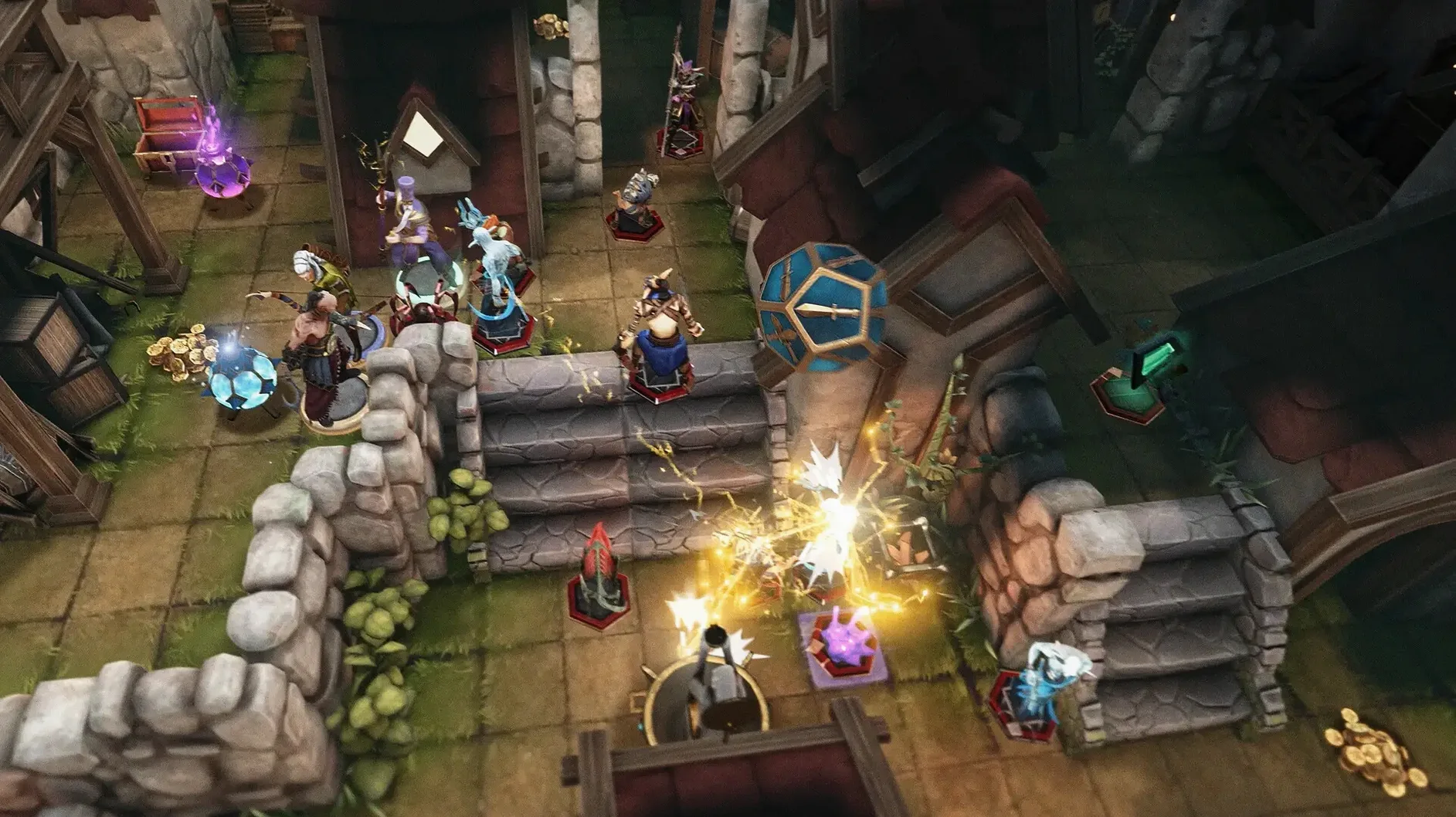
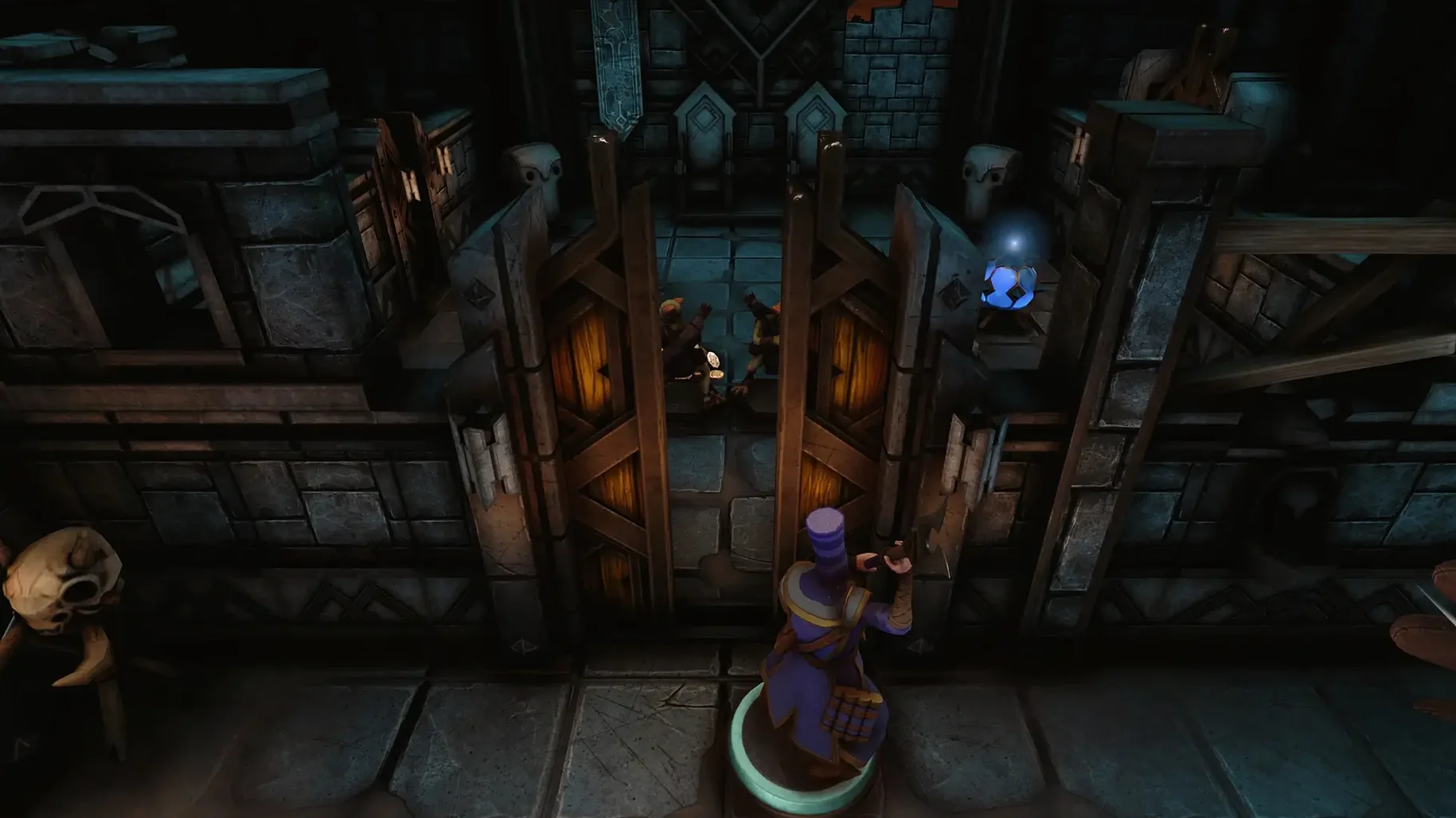
Before rounding up your party, let's talk hardware. The Mac version of Demeo runs natively on both Intel and Apple Silicon machines, so you won't be wrestling with Rosetta translation overhead. The installer arrives as a standard .dmg, and once you've dragged the app into place, you're ready to roll dice in a digital underworld.
The tabletop tactician who talks through every move
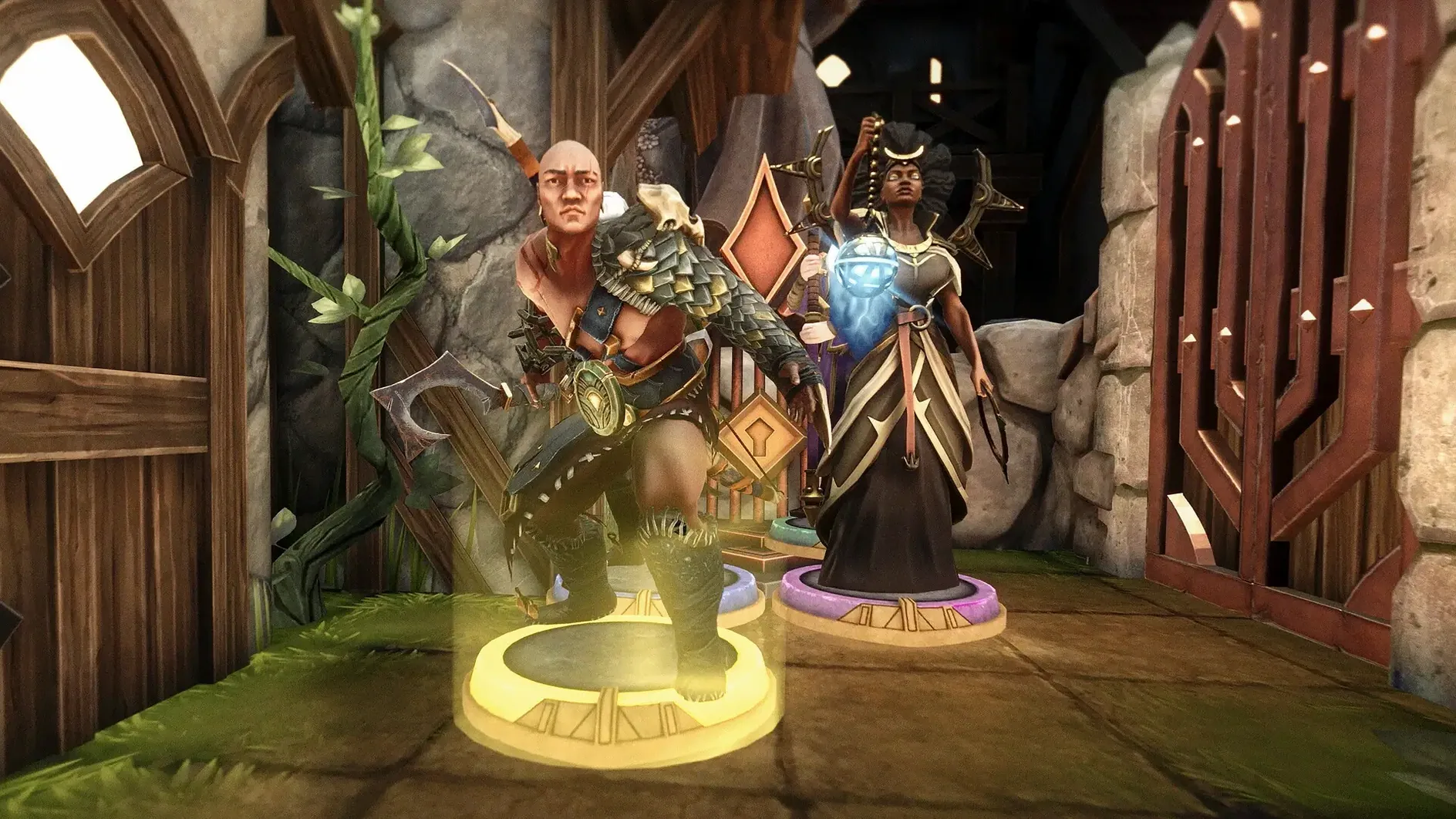
Demeo isn't an action RPG where reflexes rule. It's a turn-based dungeon-crawler built around a virtual game board. You'll feel right at home if you enjoy reading the table, coordinating moves out loud, and suffering the consequences of a bad dice roll as a team. The choice of roles—hunter, sorcerer, assassin, defender, bard, mage, or the newly added barbarian Uhrak from the Realm of Madness—means you can build a party that suits a cautious, tactical approach or a more chaotic one. Adventures like Black Sarcophagus and Roots of Evil reward players who talk through each turn, not those who rush in solo. It's best when everyone has a microphone.
Where the friction lies
If you prefer a deep, solo narrative with branching dialogue and involved character progression screens, Demeo might feel a bit too lean. The game shines through its cross-platform co-op, so a player looking to quietly explore a world on their own, without the social layer of a live party, will find the core loop repetitive. The fun hinges on the group dynamic around the table; without that, the dungeon can feel like a series of combat puzzles. It's also worth knowing that the interface comes fully localized in English, German, Spanish, Traditional Chinese, Simplified Chinese, Korean, French, and Japanese, which lowers the barrier for multilingual groups.
Small touches you'd never spot in a trailer
Most players discover these by accident around session three. Tapping Tab cycles through your party's character sheets without opening a menu, which is how experienced groups keep an eye on each other's health without breaking the flow. Right-clicking a mini on the board gives you a quick look at its status effects and remaining action points — faster than waiting for the tooltip. The dice tray can be dismissed early with a second click if you already know you've flunked the roll and don't need the animation to rub it in. If you're playing the assassin and holding a poison card, hovering over an enemy shows the exact damage it'll deal before you commit.
One genuinely hidden feature is the camera bookmark system. Press Ctrl plus any number key to save your current view of the board, then tap that number alone to snap back. In a four-player game spread across a large map, this lets you jump between your character, a choke point the defender is holding, and the chest someone just spotted, all without dragging the camera across the table.
A first session, turn by turn
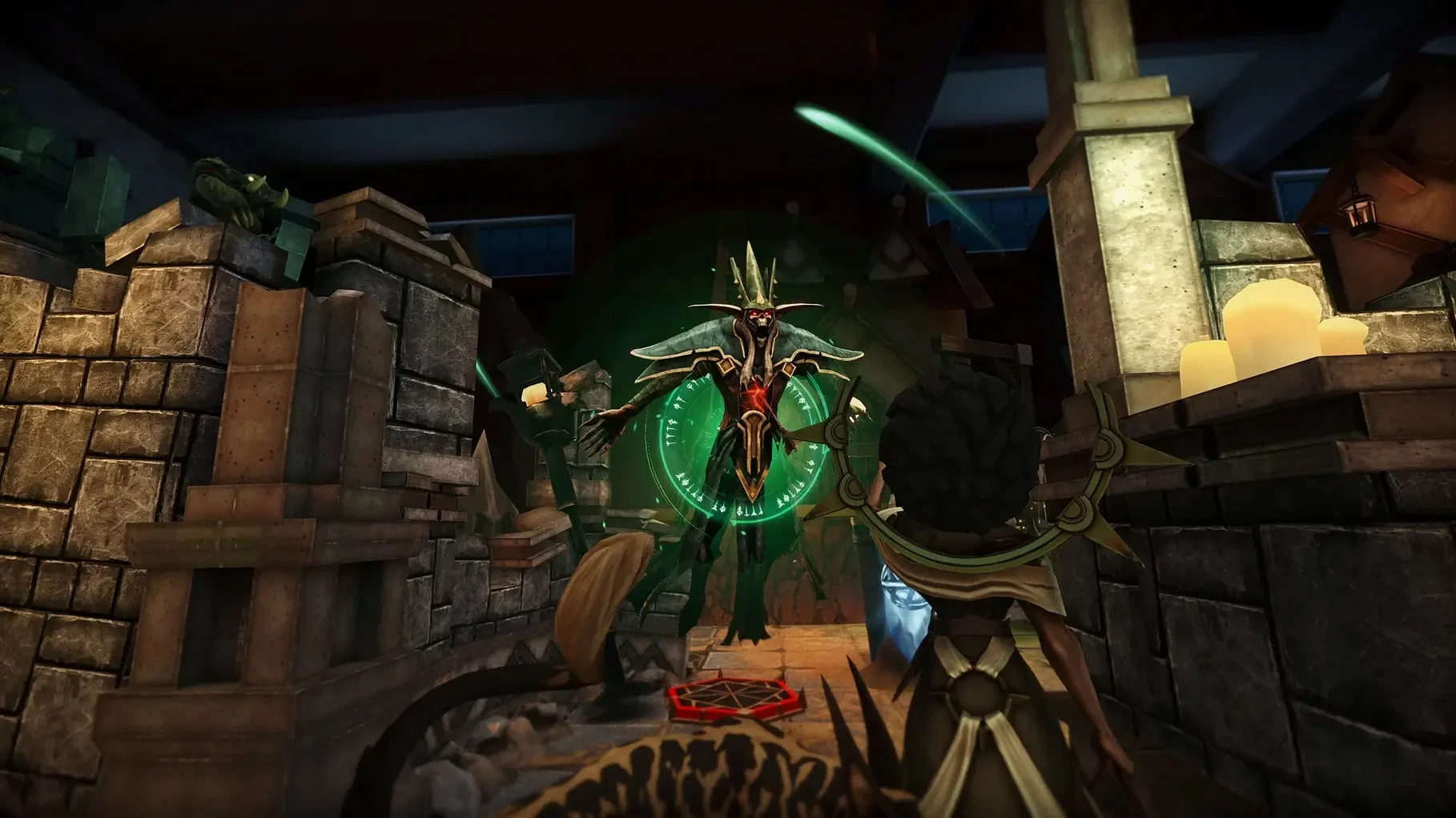
You've launched the app, the main menu sits in front of you, and it's 8pm on a Thursday. You start a private lobby, set the adventure to Black Sarcophagus — the original Elven Necropolis run — and drop a link into the group chat. Two friends join from Windows, one from a Quest headset, and within ninety seconds you're all staring at the same torchlit board. The mage grabs the first turn, moves toward a pillar, and immediately regrets not checking line of sight. A ratman archer on the balcony lands a crit, and suddenly the defender is burning a shield card before the party has even cleared the first room.
The next twenty minutes follow the rhythm of any good tabletop night: someone overextends, the bard pulls them back with a charm, the sorcerer clears three enemies with a well-placed fireball, and everyone groans when the assassin misses a 90% backstab. Between rooms you pause to redistribute a healing potion. By the time the boss appears, the barbarian is down to two hit points and the hunter lands the killing shot with an arrow card nobody remembered she was holding. The whole run takes about an hour, and the lobby stays open afterward so you can start the next adventure without re-inviting anyone.
What to tweak in your first week
First thing after installing: open the settings and check the voice chat input device. The game defaults to the system microphone, but if you use an external headset or audio interface, you'll want to switch it before your first lobby. The audio panel also has a slider for dice volume — turning it down slightly makes voice comms easier to hear during tense rolls.
Second, take ten minutes to read through every character's card deck from the hero select screen, not just the one you plan to play. Knowing which cards the sorcerer could draw next turn changes how you position your own piece. The barbarian Uhrak from the Realm of Madness pack, for instance, carries self-healing rage cards that let them survive situations a defender would normally handle, so you can adjust your formation before the dice hit the table.
Finally, if your group includes someone on a lower-spec machine, host the session on the Mac. The Apple Silicon build handles the dungeon master logic smoothly, and client machines only need to render their own view of the board. A wired ethernet connection on the host side prevents the occasional rubber-banding that can happen when a wireless network stumbles during a four-player round.
- Five new player ranks added, each unlocking a specific cosmetic reward.
- Players hitting rank 100 now receive a unique aura baseplate to show off at the table.
- The underlying game engine was updated to improve overall stability and tighten security.
- macOS compatible (native support for both Intel and Apple Silicon Macs).
$ man demeo | grep -A2 "?"
What character classes can you play in Demeo?
You can choose from seven distinct roles: hunter, sorcerer, assassin, defender, bard, mage, and the barbarian Uhrak.
Comments 0
Sign in or create an account to leave a comment.
No comments yet. A codec, a slice, a machine — they appear after moderation.