Dead Cells for macOS
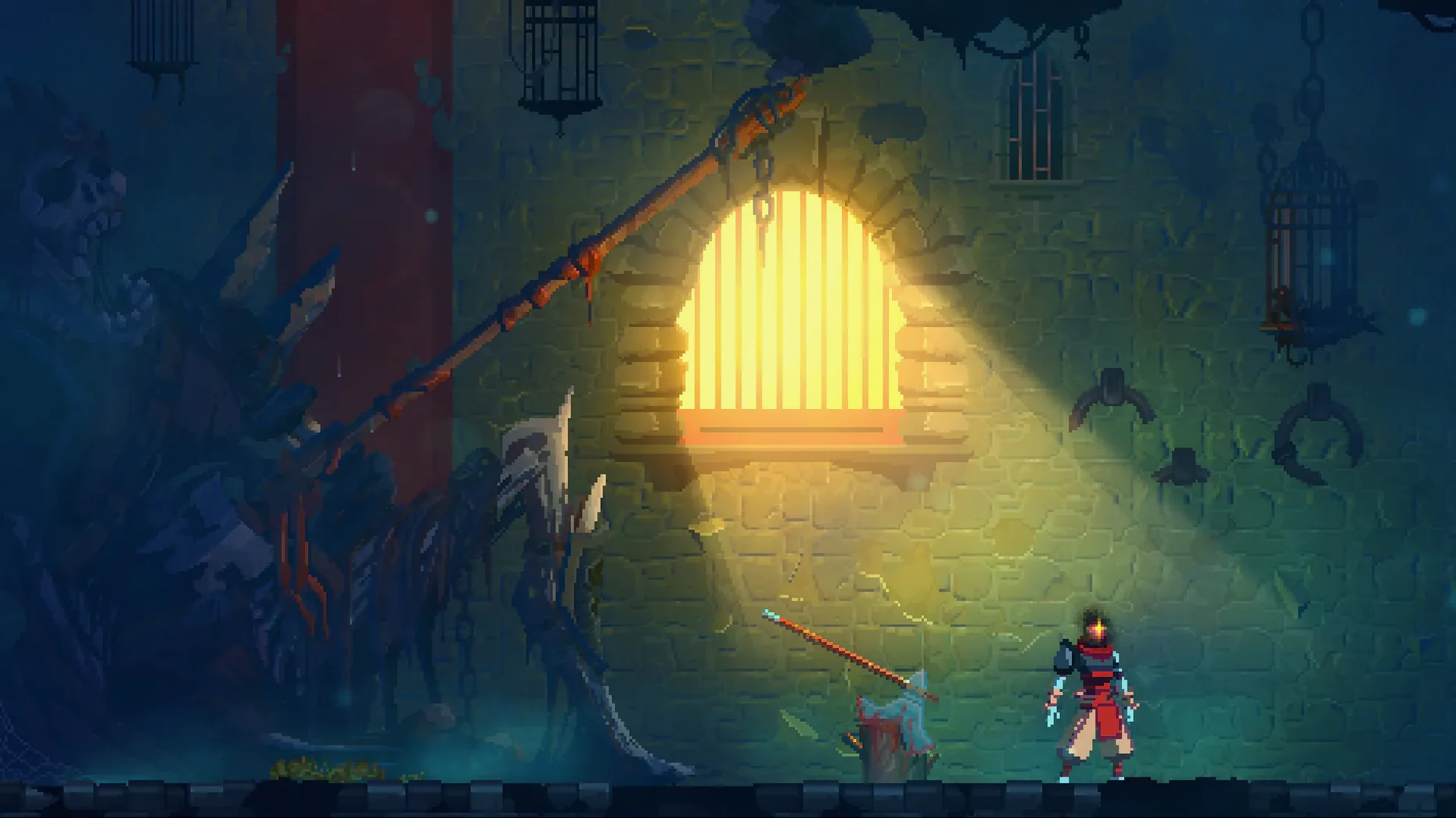
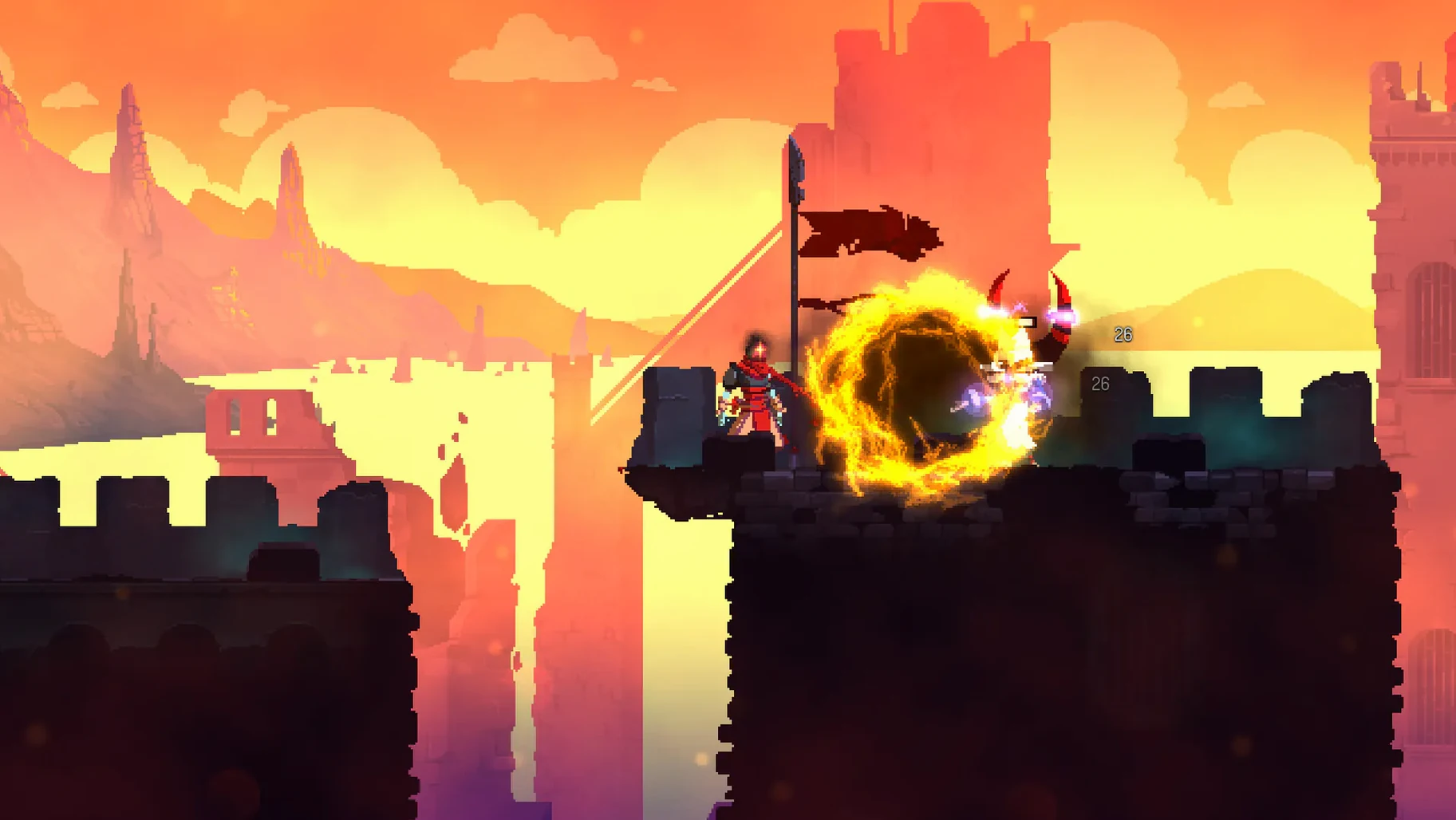
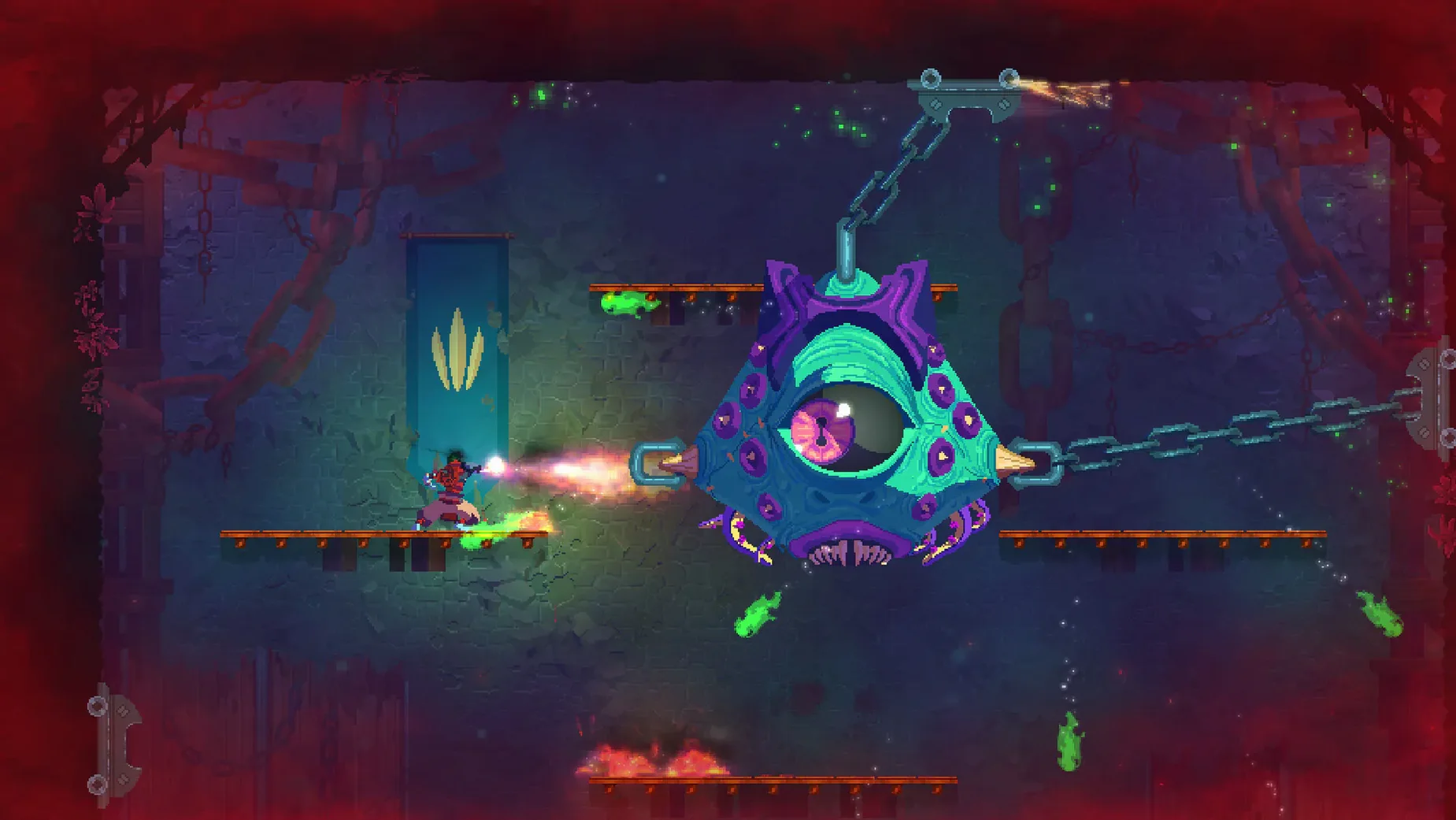
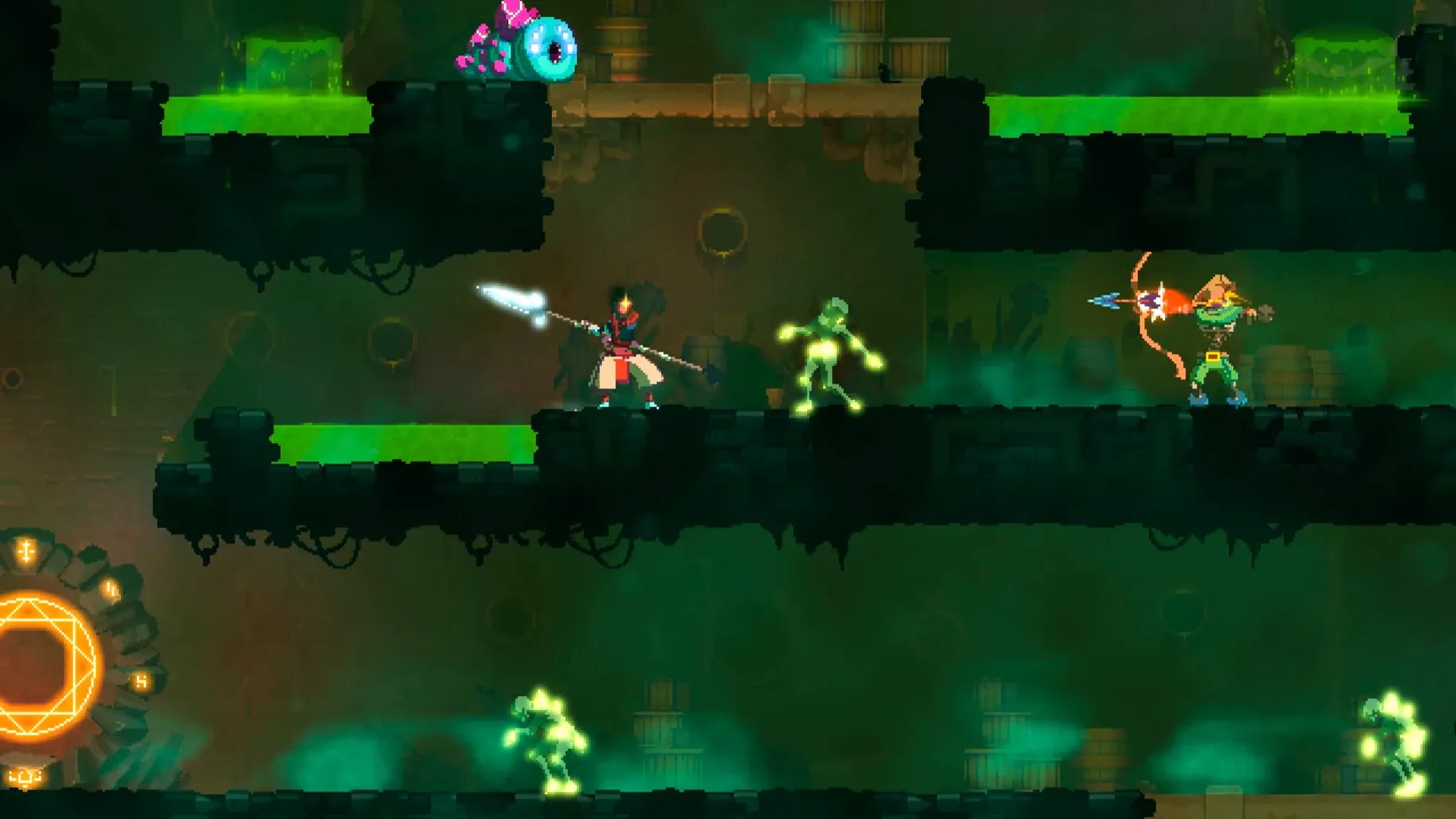
Dead Cells is a precision action-platformer that fuses the looping structure of a roguelike with the ability-gated exploration of a metroidvania, all wrapped in a Souls-lite combat system. The version in circulation is 1.26.0 fix, built for Intel Macs.
Who will click with it
You'll feel at home if you enjoy reading enemy animations instead of button-mashing. Combat rewards parries, timed rolls, and spatial awareness—a missed beat usually means a chunk of health gone. The interconnected level layout shifts between runs, so internalizing enemy patterns matters more than memorizing a static map. A single deadcells executable starts the game, and the interface ships in eleven languages including Russian, Japanese, and Korean. There is no save system; every run is a fresh attempt, which keeps tension high.
Why losing 40 minutes can feel like a wall
If losing 40 minutes of progress to a misread boss telegraph frustrates rather than teaches, the permadeath loop will grate. There's no narrative safety net, no mid-run checkpoint to reload, and the audio is purely instrumental—no voice lines to break the silence between fights. Players who prefer methodical, permanent character builds over moment-to-moment reflexes may find the procedural biomes exhausting rather than replayable.
Small conveniences hidden in plain sight
Some of the most useful moves aren't listed in any tutorial overlay. A downward smash while airborne—press down and jump together—lets you stomp through fragile floors and stuns enemies directly below. You can also cancel the recovery frames of a roll by jumping, which shaves off just enough time to escape a follow-up swing from a shield-bearing zombie. Holding the interact button near a one-way door makes you slide through instantly instead of stopping to press twice.
Inventory management has its own quiet shortcuts. Double-tapping the weapon-swap key cycles between your two equipped weapons without a pause. If you pick up a cursed chest, the game applies a one-hit-kill penalty until you kill a set number of enemies; experienced players often leave the weakest enemies alive in the previous room and backtrack to clear the curse safely. The homunculus rune—obtained early in the game—lets you detach your head to scout ahead, grab items, and even deal chip damage. Many first-time players forget they have it by the third biome.
A run in the life of a speed-focused player
Imagine a player who has already beaten the Hand of the King once and now cares about timed doors. They start in the Prisoners' Quarters, skipping the first archer on the left because the 2-minute door to the Promenade of the Condemned closes fast. They grab the Assassin's Dagger from a random drop and immediately reroll its affixes at the Guillain shop until it rolls "+60% damage to bleeding targets." The Toxic Sewers route opens up because they kept the vine rune from a previous life, and the bridge above the starting area becomes a real shortcut instead of decorative scenery. They hit the Concierge at around 8 minutes with a wolf trap and a turret, stacking bleed procs while staying airborne to avoid the red aura attack. When the boss drops a colorless Lightning Bolt, the entire build pivots—now it's a glass-cannon caster run where one misstep ends it. This kind of adaptive decision-making is what keeps a dead cells mac download installed long after the credits roll.
Why a 15-5-5 scroll spread guts your damage
The most common one is spreading scroll stats evenly across Brutality, Tactics, and Survival. The damage formula multiplies exponentially, so a 15-5-5 split hits far softer than a 20-3-2 split by mid-game. A green weapon in a Tactics build still does more damage if you keep pumping Tactics, because the color with the highest total governs all gear scaling.
Ignoring shield parries is another trap. The wooden shield in the starting room isn't decorative—a successful parry negates all damage and reflects projectiles. Players who treat every encounter as a dodge-only affair burn through health flasks before the first boss. On the flip side, hoarding cells and refusing to spend them before a tough biome leads to the obvious: death drops all unspent cells in a spot you may never reach again. Spend them at the Collector whenever a door appears, even if the blueprint you want still needs another hundred runs.
Opening every cursed chest without checking enemy density first is a fast ticket back to the Prisoners' Quarters. And crafting the frantic sword blueprint too early—before unlocking the health flask upgrades—creates a weapon pool cluttered with a slow, risky melee option that doesn't suit new players still learning enemy tells.
Where Hollow Knight locks the map and Dead Cells reshuffles it
Hollow Knight shares the interconnected map and corpse-run mechanic, but it's a pure metroidvania with a fixed world. You backtrack with new abilities to open previously seen paths, and death leaves a shade you must reclaim. Dead Cells removes the corpse run and the static map; every biome is a fresh layout, and progression comes from permanent rune unlocks plus blueprints you spend cells on between deaths. Hollow Knight asks for patience and exploration; Dead Cells asks for split-second reads and a willingness to throw away a 40-minute run.
Hades also loops runs into permanent upgrades, but it threads a heavy narrative through every death—characters remember you, relationships evolve, and the story advances even when you lose. Dead Cells has almost no dialogue; the atmosphere comes from environmental detail and the biome names. Mechanically, Hades offers six weapons with distinct move sets and a dash that feels generous. Dead Cells hands you hundreds of weapons and skills with wildly different hitboxes, wind-up times, and synergies, and the roll has tighter invincibility frames that demand more precise timing.
Rogue Legacy 2 is another roguelite with permanent upgrades and procedurally generated castle rooms, but its class system and hereditary quirks create a goofier, more stats-driven loop. You inherit traits from a lineage and grind gold to boost base stats across generations. Dead Cells never lets you out-stat a biome; even with a full legendary forge upgrade, a misread attack from a single Rampager can delete your health bar. The skill ceiling stays high, which is why a Dead Cells torrent tends to attract people who enjoy labbing out boss patterns more than watching numbers climb.
- macOS: unspecified version
- Architecture: Intel
$ man dead-cells | grep -A2 "?"
Does Dead Cells support a save system?
No. The game has no traditional save mechanism—death sends you back to the start with only permanent unlocks carrying over between runs.
Comments 0
Sign in or create an account to leave a comment.
No comments yet. A codec, a slice, a machine — they appear after moderation.