Cyber Knights: Flashpoint for macOS
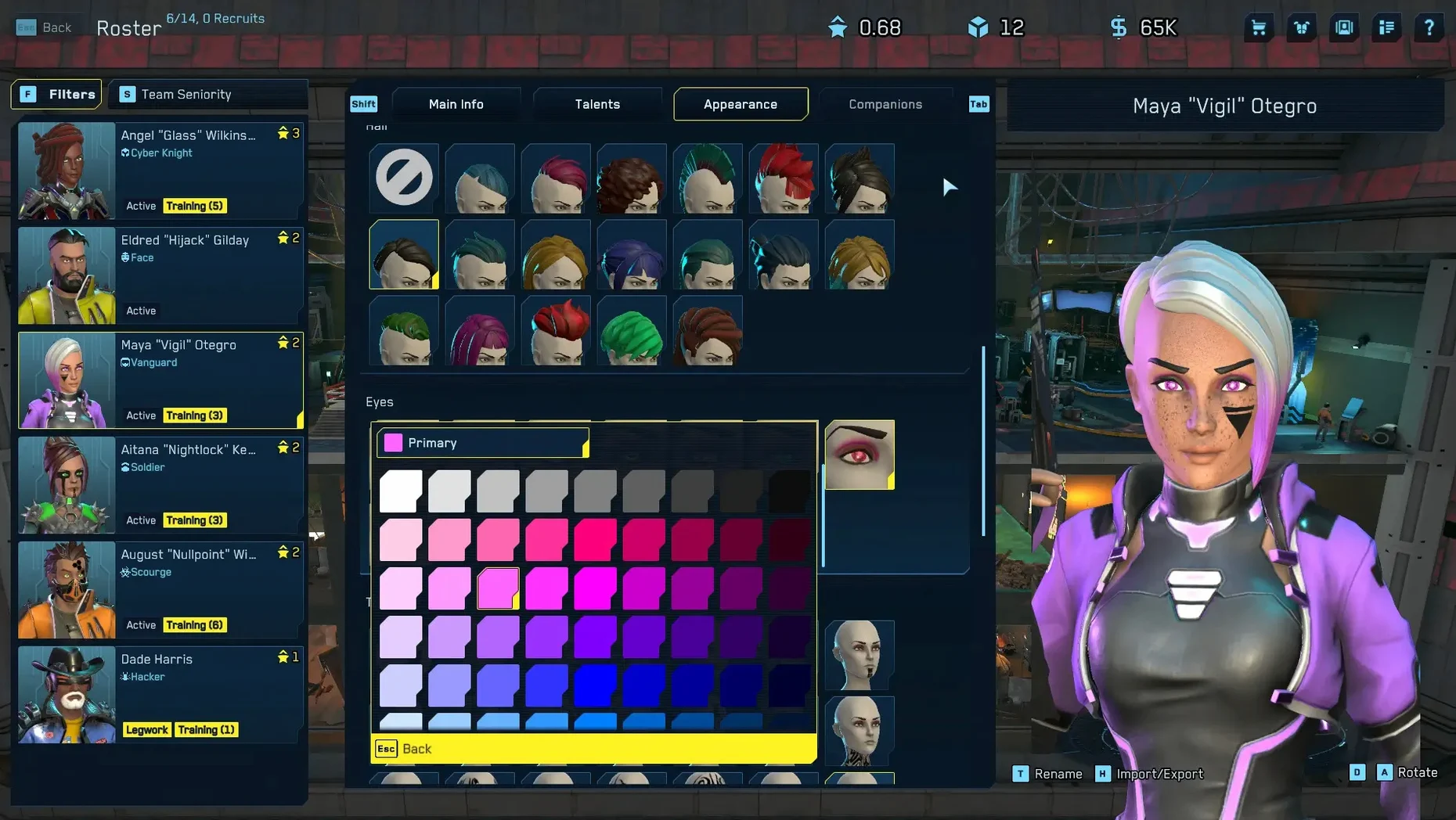
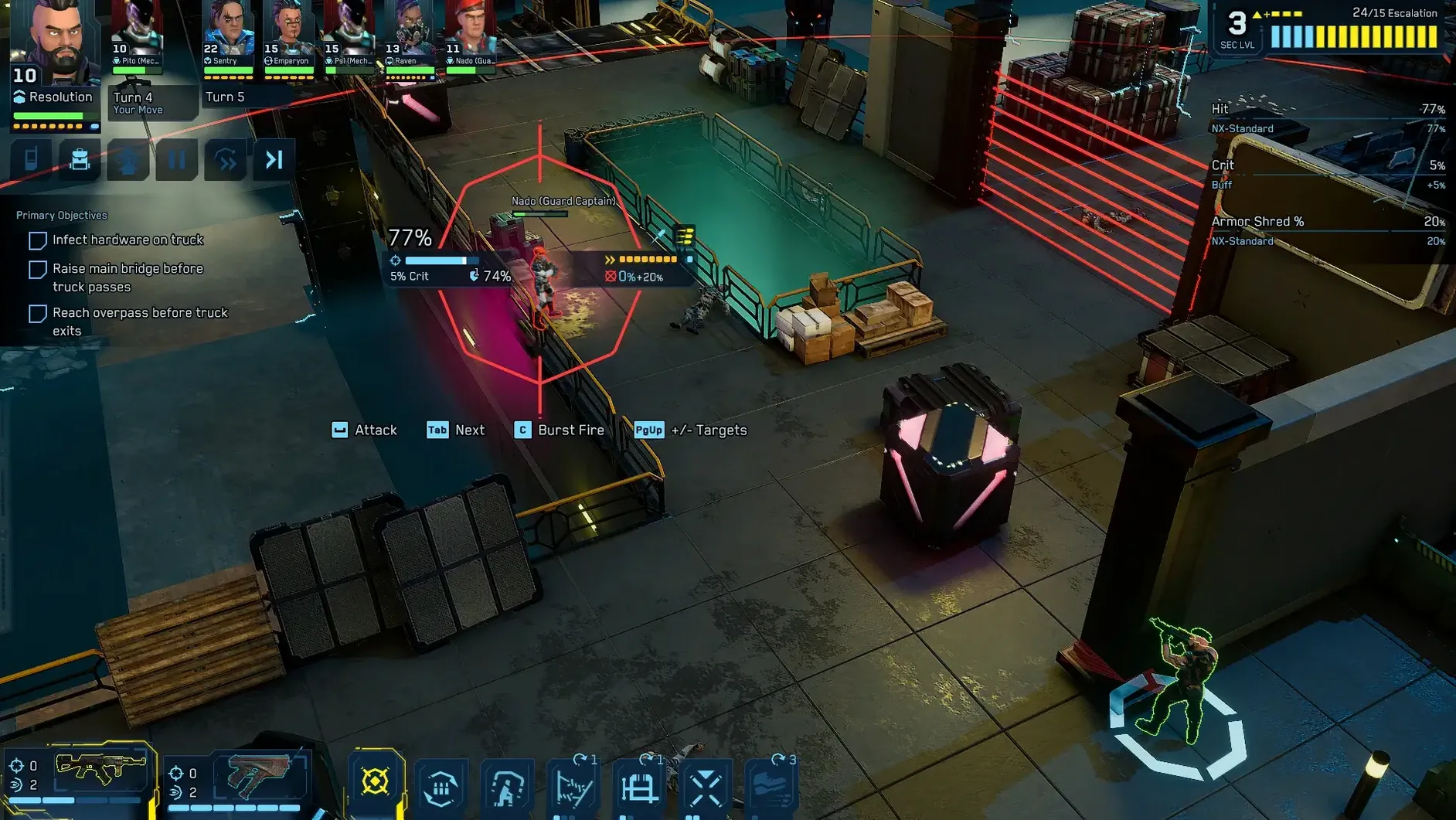
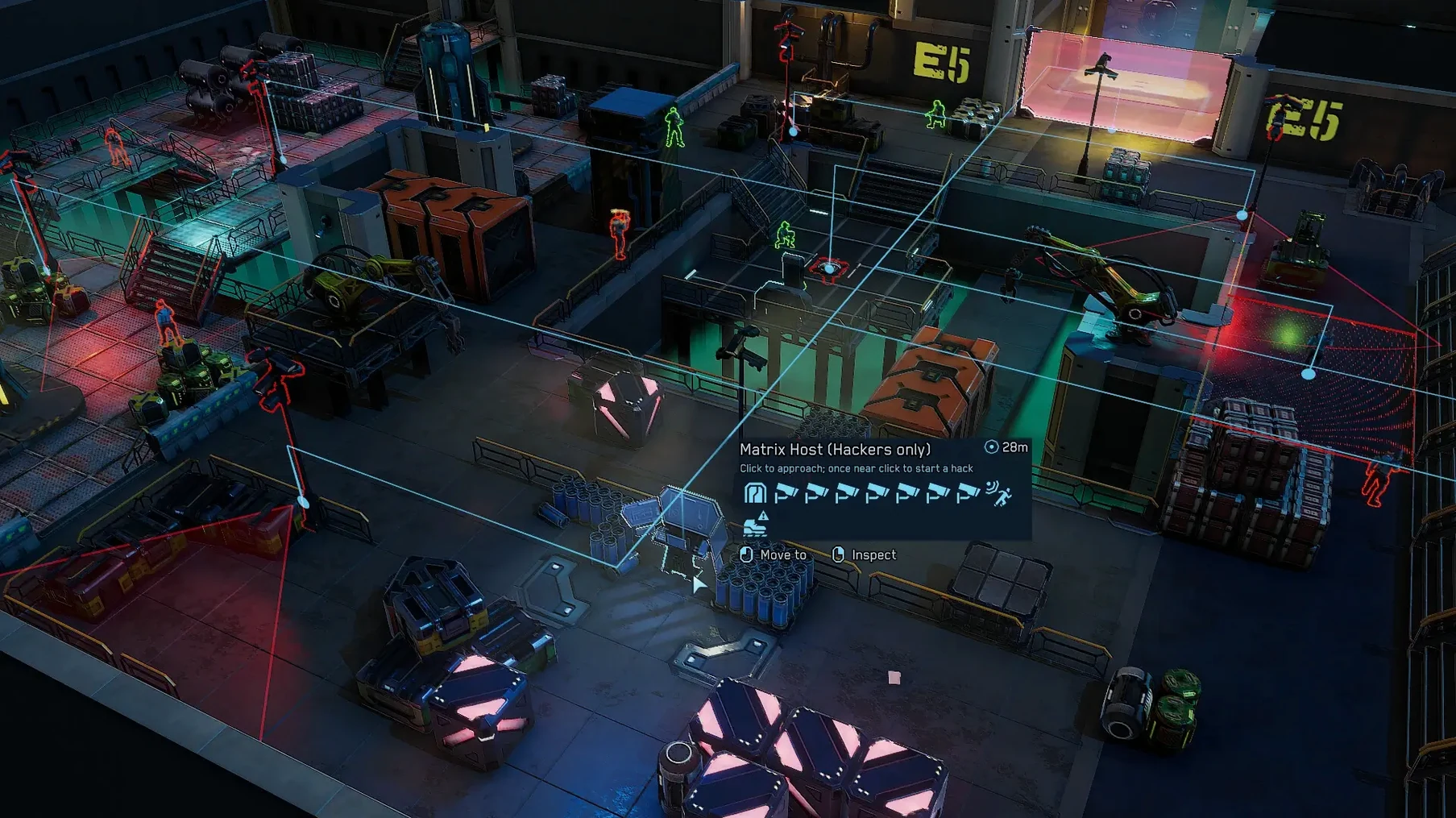
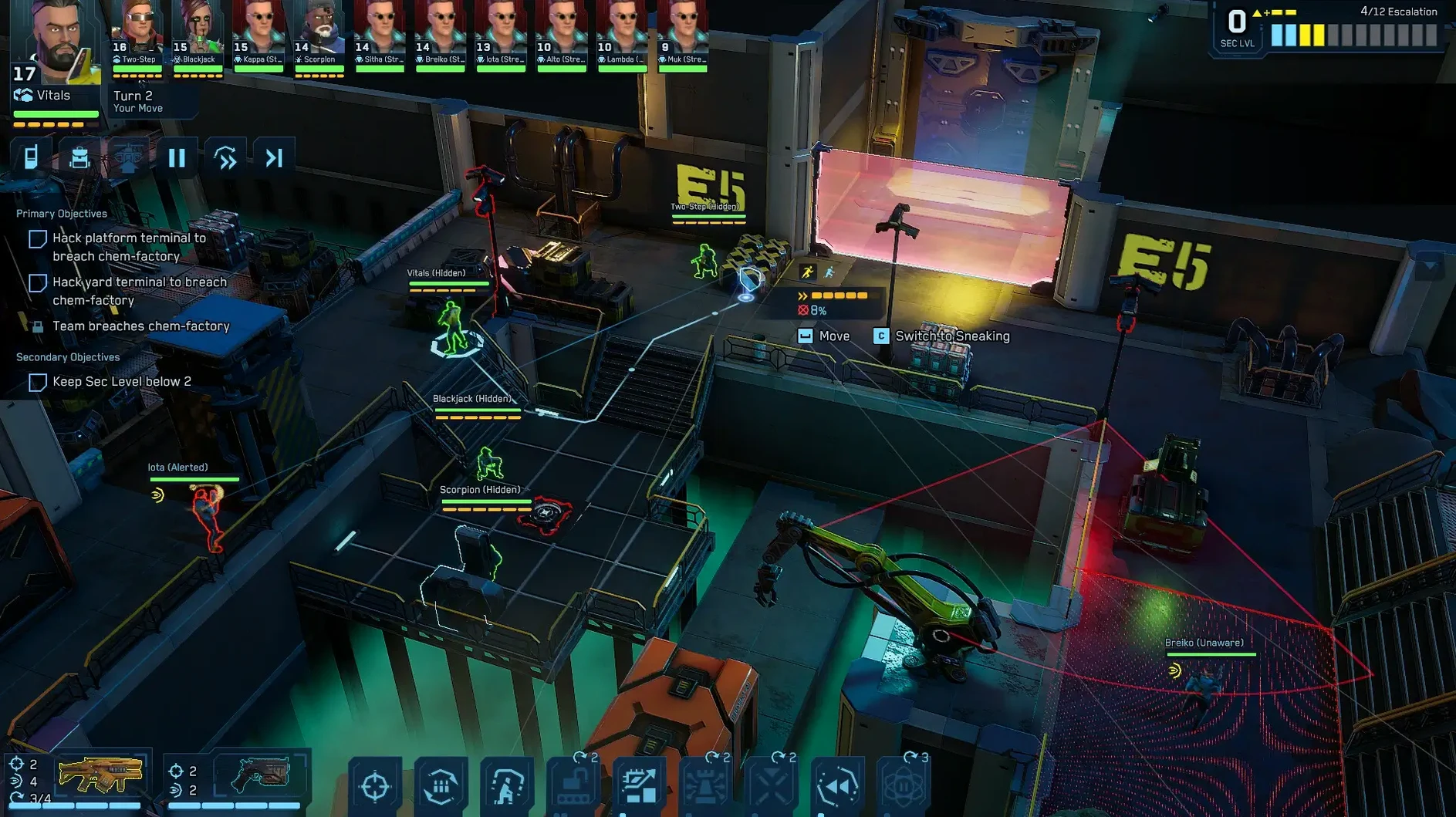
Every character in your squad carries a reputation score across six factions before you even accept the first contract. Cyber Knights: Flashpoint is a turn-based tactics game built on a custom story engine that weaves your mercenaries and NPCs into events based on prior choices, privileges, and those faction standings.
Term — what it means
Gridless movement — positioning uses distance in meters, not squares, so cover and line-of-sight angles matter more than tile counting.
Heist-planning layer — before a mission you pick approach, entry points, and loadouts; the tactical map reflects those decisions.
Multiclassing — talent trees span several roles, and a character can pull abilities from more than one tree, which opens odd synergies but also lets you build a specialist who is mediocre at two things.
Weapon modification — barrels, scopes, and stocks swap onto base firearms and change handling stats, not just damage numbers.
Evolving traits — characters gain positive and negative quirks from mission outcomes; a hacker who fries herself on a bad roll might develop a permanent neural-damage trait.
Who the game fits
Someone who reads every crew update between missions and tracks which corp security chief now hates them. The systems stack deep: safehouse upgrades gate crafting, faction privilege locks gear vendors, and the story engine remembers whether you betrayed a contact six hours ago. If you enjoy that kind of cross-system ledger-keeping, the game rewards it.
Who might bounce off
A player who wants a clean tactical puzzle with a reset button after each map. The interlocking reputation and trait systems mean a sloppy extraction can echo through the next three hours. The turn-based combat is deliberate, not snappy, and the AI-ban backstory sits in text logs rather than cutscenes.
Why does your crew mate suddenly refuse to breach doors?
You boot the game and land in your safehouse — a concrete box with a flickering neon sign outside the window. Three crew members are flagged with yellow icons: one gained a paranoid trait after the last extraction went loud, another has a contact waiting in the downtown arcology. You tap the contact, read a few lines of text that reference the corpo security chief you betrayed eight hours ago, and accept a data-theft job that requires a hacker and someone with the Face talent tree.
You kit out your infiltrator with a silenced pistol, swap the scope on your sniper's rifle for something with less glare, and spend ten minutes agonizing over whether to bring the hacker with the neural-damage trait or the new hire who hasn't earned any loyalty yet. The heist-planning screen offers two entry points — you pick the ventilation shaft because your infiltrator's Stealth score lets you bypass the first security checkpoint entirely.
Inside the mission, movement is measured in meters. You slide your point-man behind a server rack, check the cover indicator, and set an overwatch cone that catches a patrolling guard in the flank. The hacker jacks into a terminal while the rest of the squad holds a corridor. A bad roll triggers an alarm, reinforcements spill in, and your sniper drops two before the extraction timer hits zero. Back at the safehouse, the hacker gains the Twitchy trait and your faction rep with the corp you just robbed drops by twelve points. The story engine logs it all.
What management layer does Shadowrun: Dragonfall leave out?
Shadowrun: Dragonfall shares the cyberpunk-meets-squad-tactics DNA, but it is a linear narrative with fixed companions and no heist-planning layer. Cyber Knights asks you to manage a rotating crew, faction scores, and safehouse upgrades between runs — it scratches a management itch that Dragonfall never reaches for.
Invisible, Inc. is tighter and cleaner as a stealth-puzzle game, with procedurally generated levels and a focus on avoiding combat. Cyber Knights lets you go loud when a plan falls apart and gives you overwatch, cover angles, and initiative manipulation to fight your way out. The trait system means a botched mission follows you home; Invisible, Inc. resets clean between runs.
XCOM 2 has deeper production values and destructible environments, but its strategy layer is base-building with a countdown clock. Cyber Knights replaces that with faction webs, privilege tiers, and a story engine that remembers which NPCs you crossed. The gridless movement also feels different — positioning depends on lines of sight and cover arcs rather than tile-flanking patterns you have memorized.
What helps in the first few days?
- Read the faction ledger before every mission. The game tracks six factions, and a job that pays well can tank a reputation you need for a gear vendor two hours later. Check who will be offended before you accept.
- Do not spread talent points thin. Multiclassing opens odd synergies, but a character who dips into three trees early ends up with no ability strong enough to carry a bad roll. Specialize first, branch later.
- Weapon mods change handling, not just damage. A scope that adds crit chance might also increase the action-point cost of a snap shot. Read the full stat block before you bolt something on.
- Traits stick. That Neural Damage quirk on your best hacker will show up in dialogue and skill checks for the rest of the campaign. If a mission is going sideways, extracting early is cheaper than pushing through for a payout that costs you a permanent debuff.
- Safehouse upgrades gate crafting recipes. The workshop terminal doesn't tell you what you are missing until you build it, so plan upgrades around the gear your squad actually uses rather than unlocking everything.
- Architecture: Apple Silicon native, Intel 64-bit
Comments 0
Sign in or create an account to leave a comment.
No comments yet. A codec, a slice, a machine — they appear after moderation.