
Firewatch for macOS
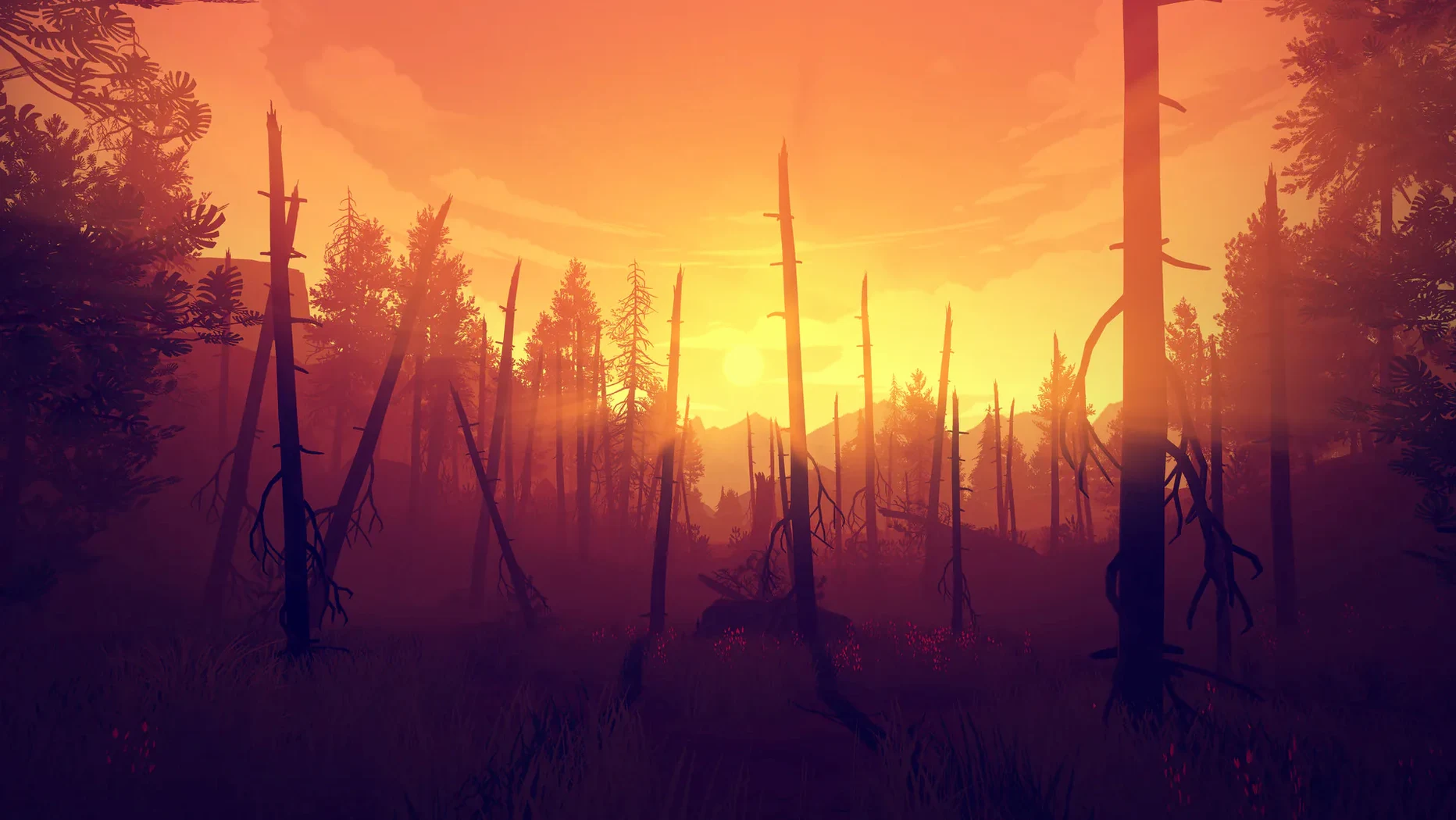
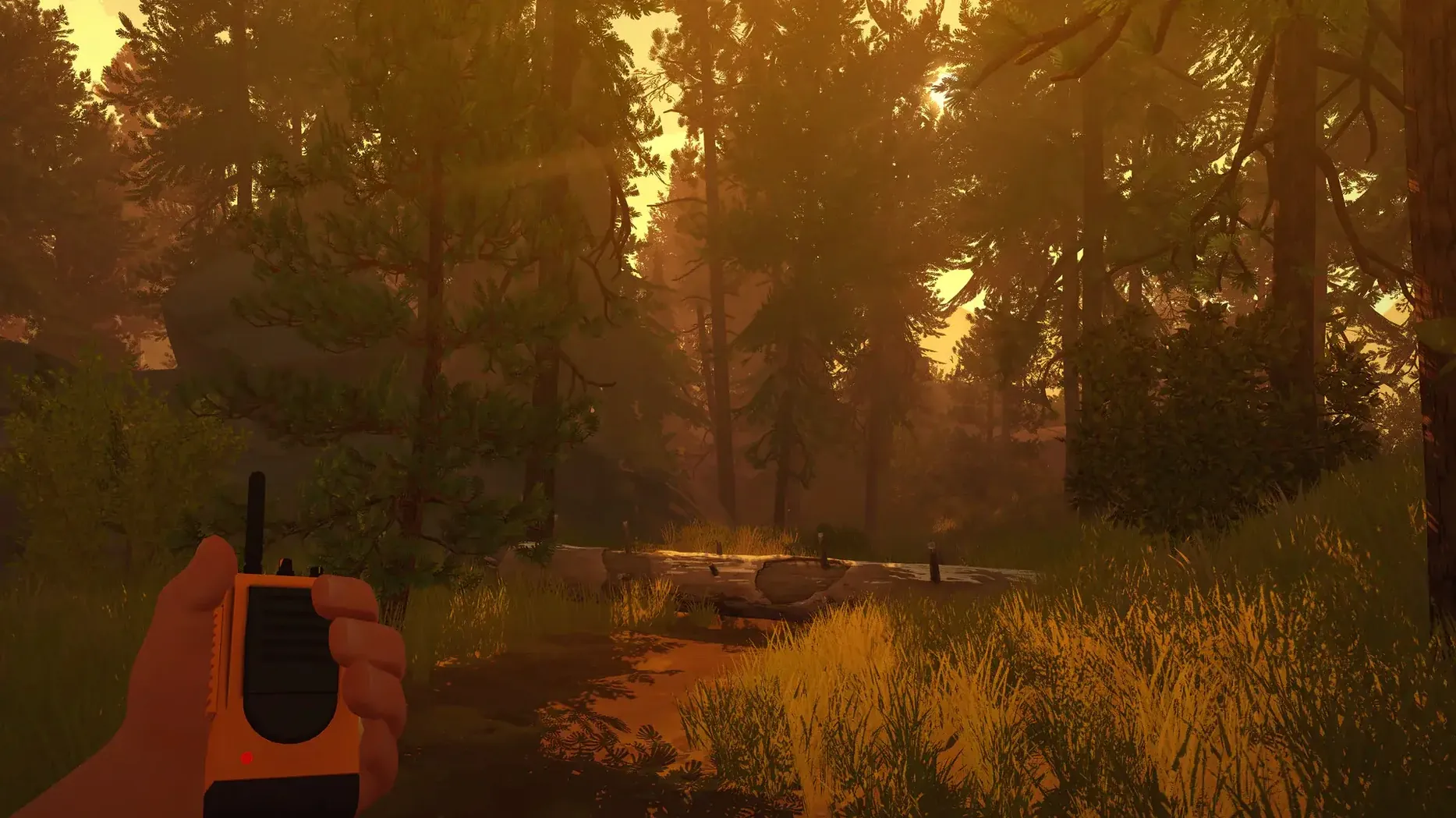
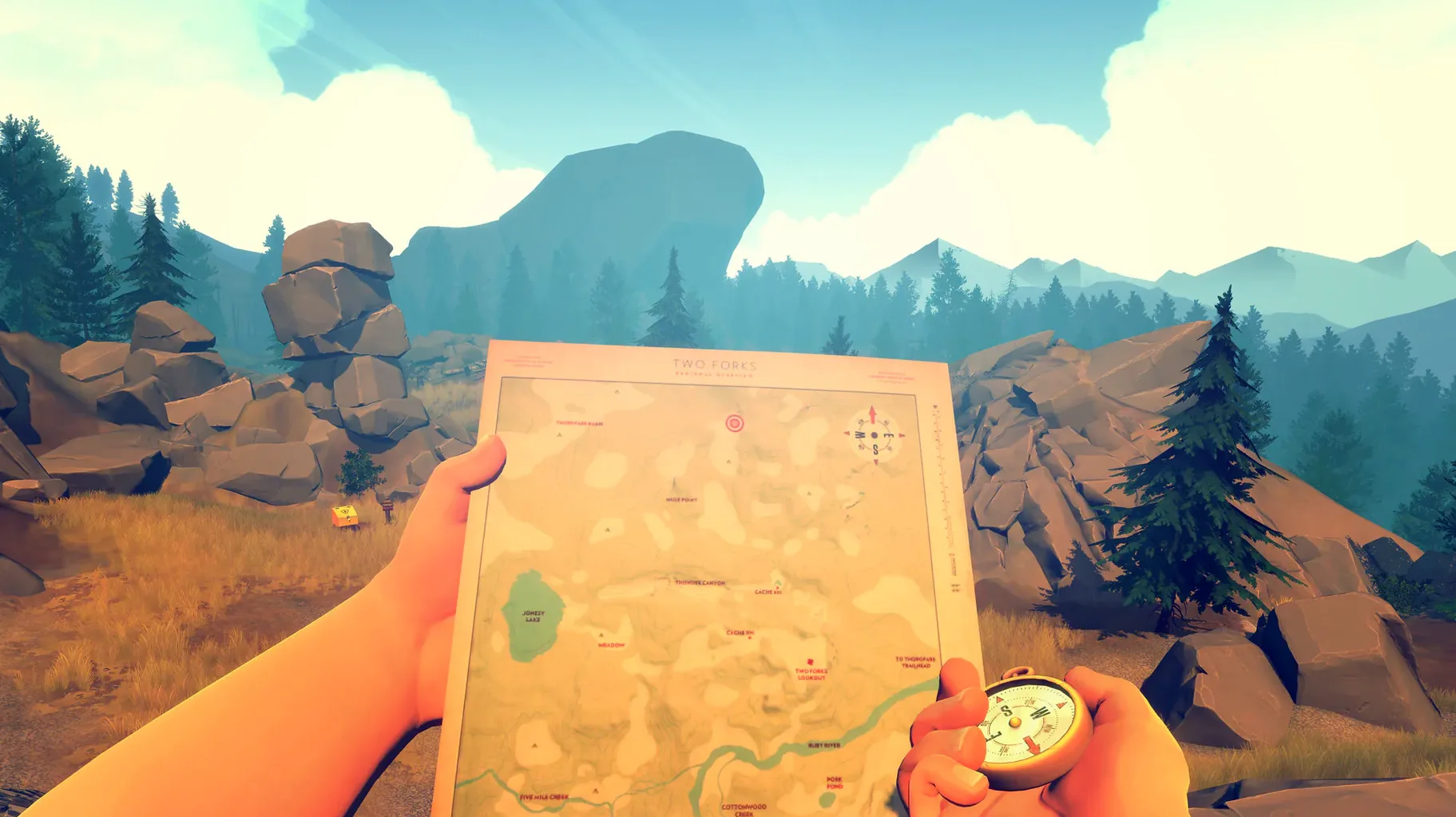
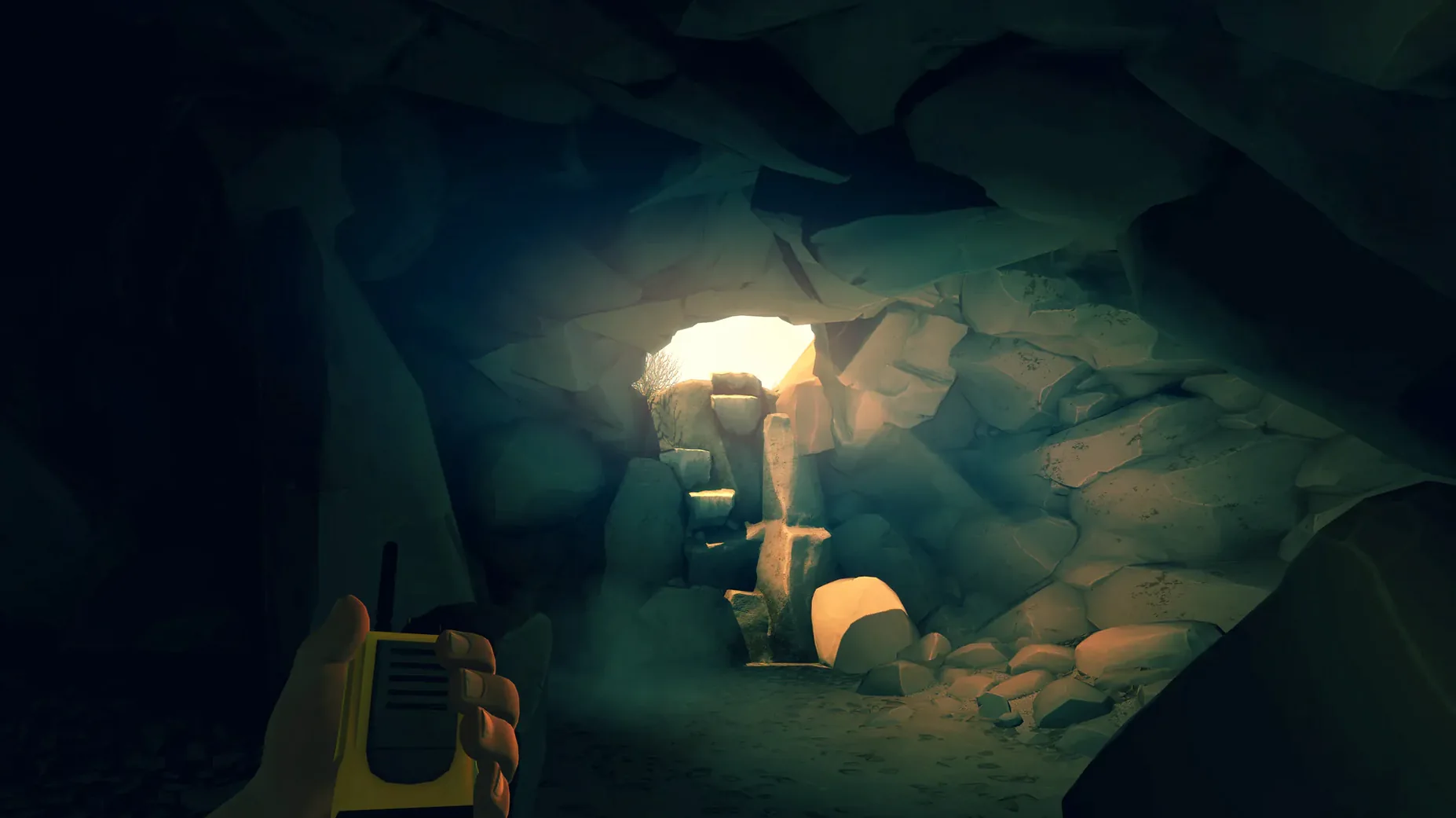
You're perched in a Wyoming fire lookout tower in the summer of 1989, and the only other voice for miles comes through a crackling handheld radio. That's the setup Campo Santo built, and it tells you most of what you need to know about the game's pace.
Narrative pull — What drives the experience. The mystery isn't about clicking on the right object fast enough. It draws you out because something strange appears in the trees, and your only real connection is Delilah on the other end of the radio. The choices you make in dialogue shape that relationship, and the story is the reward.
Player fit — Who gets the most out of it. You'll enjoy this if you treat a game like a short, well-acted novel where you control the pace of the page turns. The Russian, English, German, Spanish, Simplified Chinese, French, and Japanese interface text means the writing is the star, not the twitch reflexes.
The landscape shares storytelling duties with dialogue, much like Gone Home
Firewatch sits in a narrow niche: first-person exploration where the environment does as much storytelling as the dialogue. The closest comparisons on Mac are Gone Home and Tacoma, both from Fullbright, and What Remains of Edith Finch. Gone Home shares the walking-simulator skeleton but swaps the radio banter for environmental clues — no live conversation, just notes and objects. Tacoma adds a neat playback mechanic for holographic recordings, but the isolation feels more clinical. Edith Finch is more openly surreal and modular, a collection of vignettes rather than one continuous relationship.
What Campo Santo does differently is the radio. Delilah isn't a recording; she reacts to what you report and how you answer. That makes the bond feel live in a way the other games don't attempt. On the technical side, Firewatch's stylized look — flat colors, heavy use of distance fog — ages better than the more realistic textures in some contemporaries, and it runs comfortably on older Intel Macs because the x86 build is not pushing polygons at you.
None of those games are long. If you want a single evening with a story that stays linear enough to finish but open enough to feel like your choices matter, this one holds up. If you want puzzles, look elsewhere — the interaction here is walking, looking, and talking.
What snags do people hit?
The most common complaint I see is about the save system. Firewatch auto-saves at specific story beats, not when you quit. If you close the game mid-chapter, you may replay a few minutes. That's not a bug — it keeps the narrative flow clean — but it catches people who expect a manual Save option.
On Mac, the other recurring issue is performance on Retina displays with integrated graphics. The game defaults to a high resolution on some MacBook Pro models, and the frame rate drops in dense forest sections. You can fix this by lowering the resolution in the settings menu before starting a new day. The stylized art style means the visual loss is minor.
Some players also report audio cutting out when the radio dialogue overlaps with an in-game trigger. If Delilah's lines go silent, a quick restart usually restores the audio state. It's rare, but it happened on the Sonoma test build, and it's never been patched out of version 1.12a.
It's a self-contained bundle that keeps running when you Cmd+Tab away
The Mac build is a self-contained .app bundle that drops into /Applications. It respects the usual macOS conventions: Cmd+Q quits, Cmd+Tab switches away, and the game keeps running in the background instead of freezing. That's handy when you want to check a walkthrough in Safari without losing your place.
VoiceOver is not supported, so this isn't a game to rely on screen reading for. Game Center integration is absent too — your progress stays local, which fits the DRM-free nature of the build. If you back up your home folder with Time Machine, the save data goes along with it automatically.
One thing I appreciate: the game doesn't nag you about signing into anything. No account, no online check, no telemetry pop-up. You launch it, you play, you quit. For a narrative game you might return to once a year, that's the right amount of friction.
A full workflow: finding the lost teens
Here's a concrete sequence from an early story beat, as an example of how a task plays out in practice.
- Start the day. You wake in the tower on Day 2. Grab the map from the desk and the radio from the hook by the door.
- Read the note. The note on the clipboard mentions two teenage girls who may be camping illegally. Mark the general area on the map — a shoreline to the southwest.
- Radio Delilah. Use the radio to tell her you're heading out. The response you get depends on your previous dialogue choices, but the objective stays the same.
- Follow the trail down. Use the map and the compass in your hand to head toward the lake. The trail forks twice; the map shows the correct branch if you orient it to the sun.
- Investigate the campsite. You'll find a tent, a fire ring, and some beer cans. Pick up the objects the game highlights — each one triggers a radio option.
- Choose your report. You can describe the campsite as dangerous, messy, or just report the facts. Delilah's mood shifts slightly based on your choice, and it affects a later conversation.
- Return to the tower. The game auto-saves when you reach the top of the stairs. If you quit here, you restart at Day 3, not midway through the hike.
The whole loop takes maybe twenty minutes, and it shows how the map, the compass, and the radio work together. The map is not a quest marker; it's a paper map you hold in your hand. That one design decision makes every trip feel like actual navigation.
- macOS compatible with Intel (x86 64-bit)
$ man firewatch | grep -A2 "?"
Is the game native for Apple Silicon?
No, version 1.12a is built for the x86 (64-bit) architecture and runs on Intel Macs.
What spoken languages are available?
The voice acting is delivered in English only, with interface text supporting several other languages.
Does the dialogue change based on what I do?
Yes, the choices you make during your radio conversations can affect Henry's relationship with Delilah.
Comments 0
Sign in or create an account to leave a comment.
No comments yet. A codec, a slice, a machine — they appear after moderation.