Flashing Lights - Полиция, Пожарные, Симулятор экстренных служб for macOS
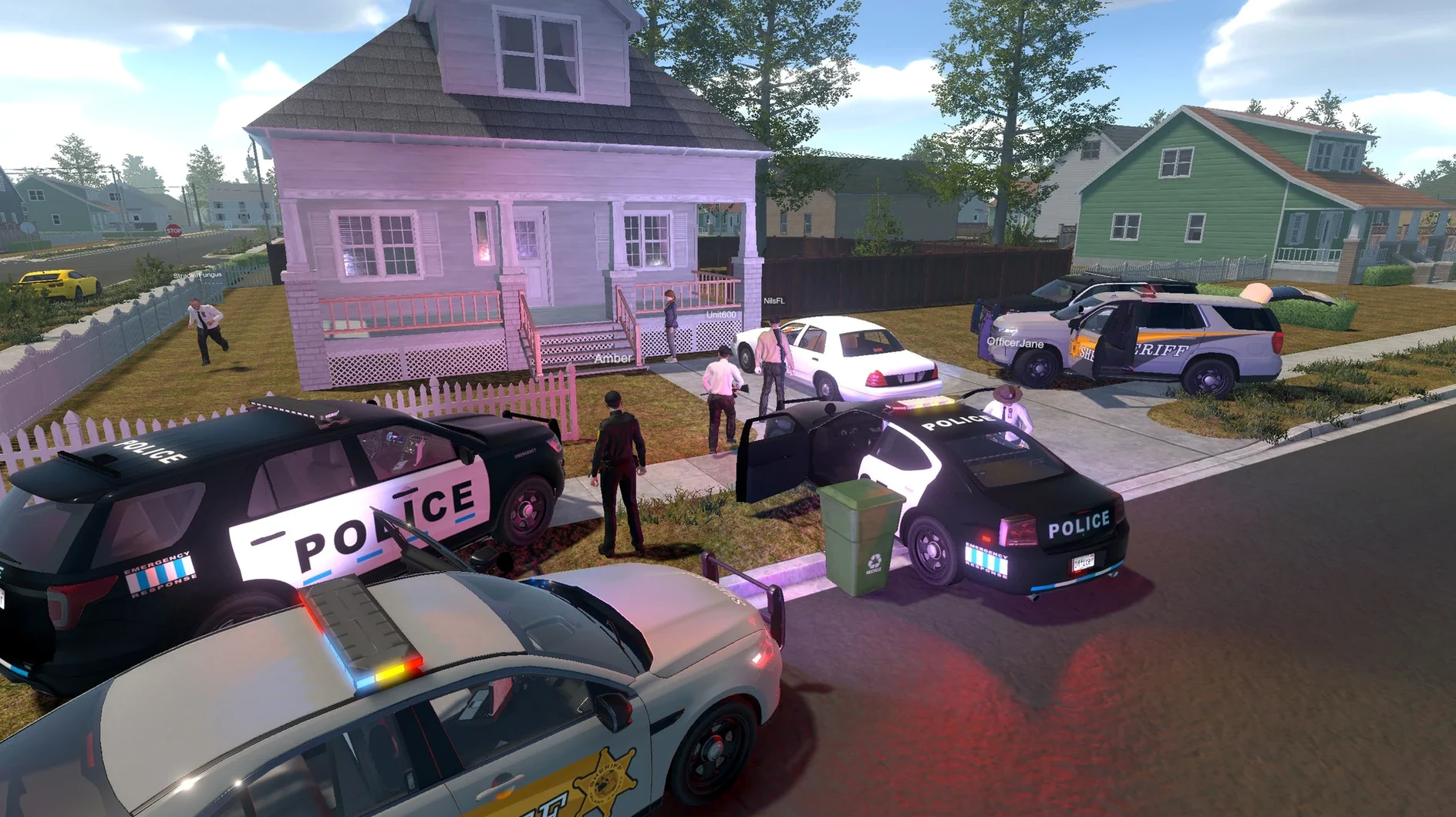
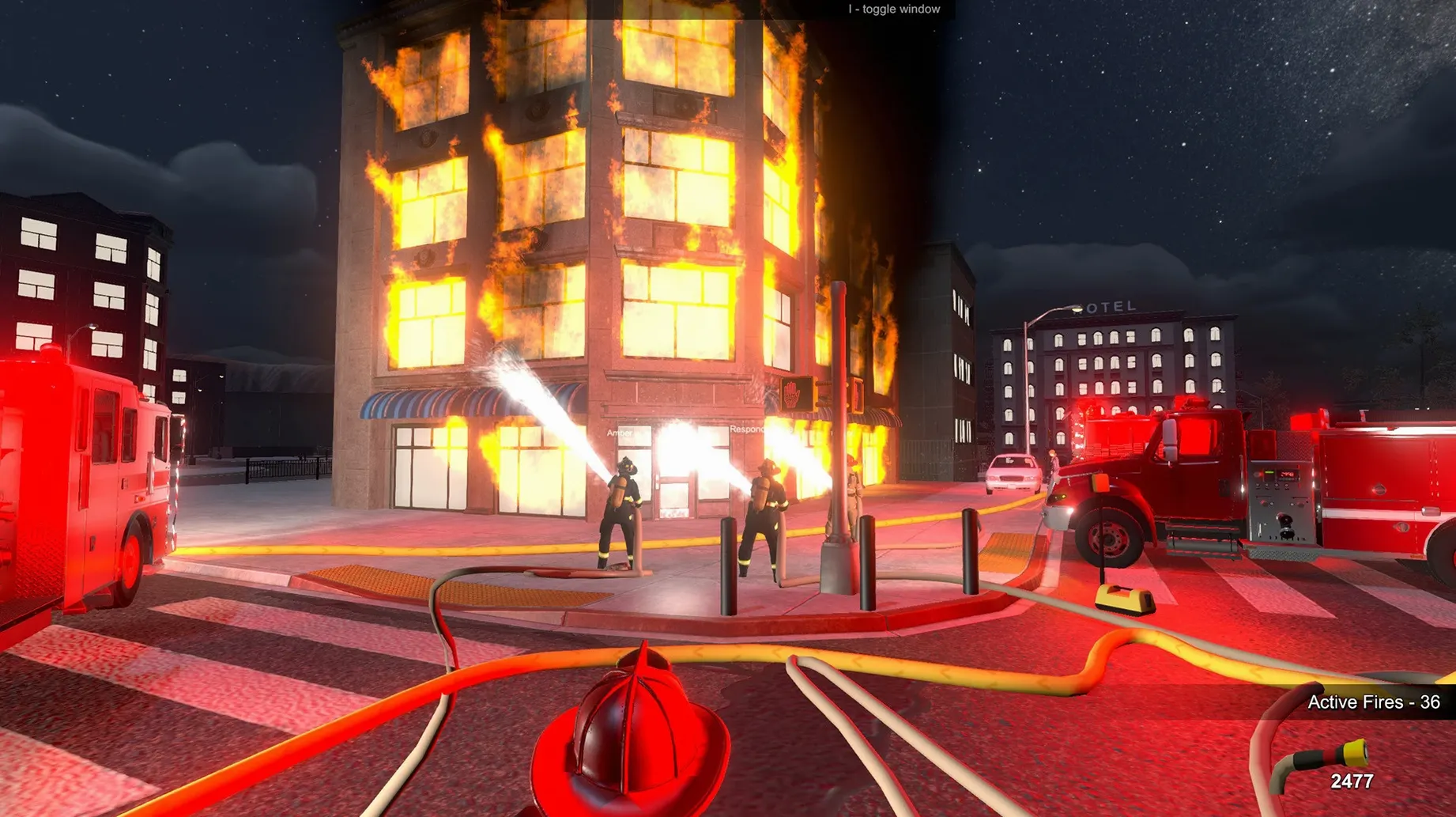
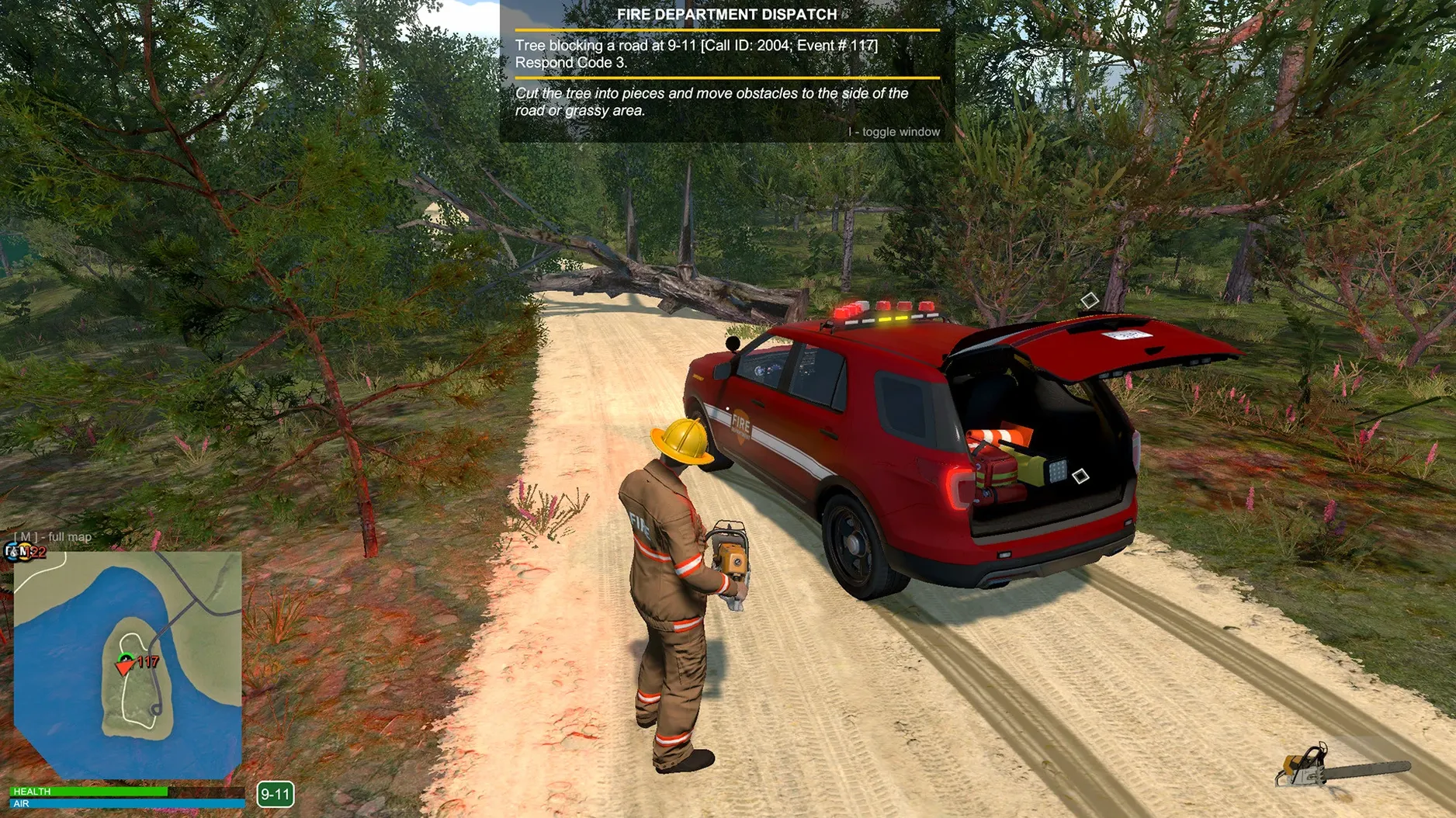
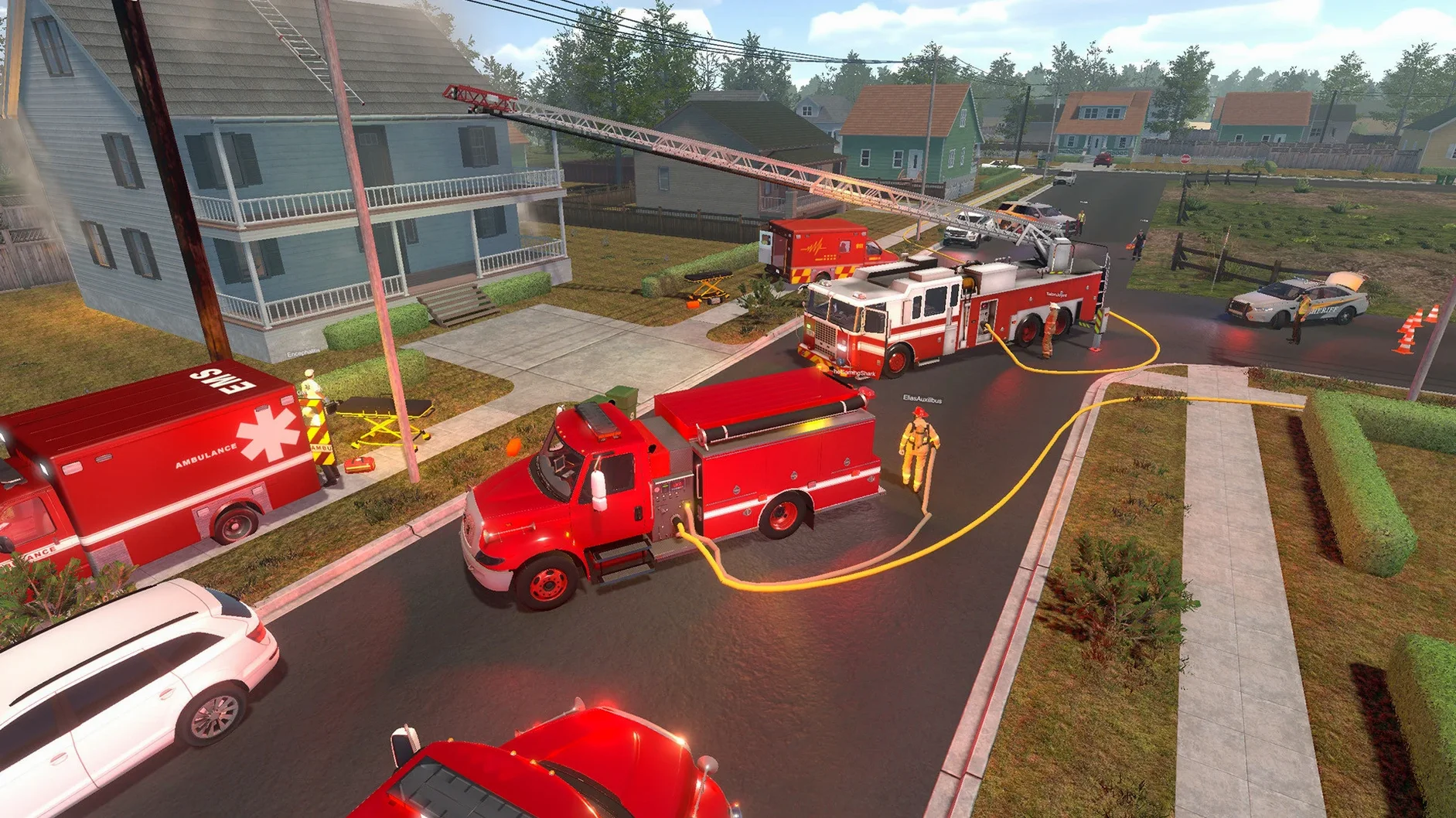
Once a hydraulic spreader meets the frame of a crumpled sedan, the clock is really ticking. That tool — and the scenario it creates — is one of the more grounded moments in Flashing Lights, an open-world simulation game from developer Nils Jakrins. Steam tags it squarely as a simulation, and the content bears that out: you are not just chasing a high score, but stepping into the procedural routines of emergency services across three distinct branches.
Switch between police, fire and ambulance roles in one open world
- Switching between police, firefighting and EMS roles in a single open world.
- Using branch-specific gear: firefighters get a fire truck, hose, extinguisher and that hydraulic spreader for vehicle extrication.
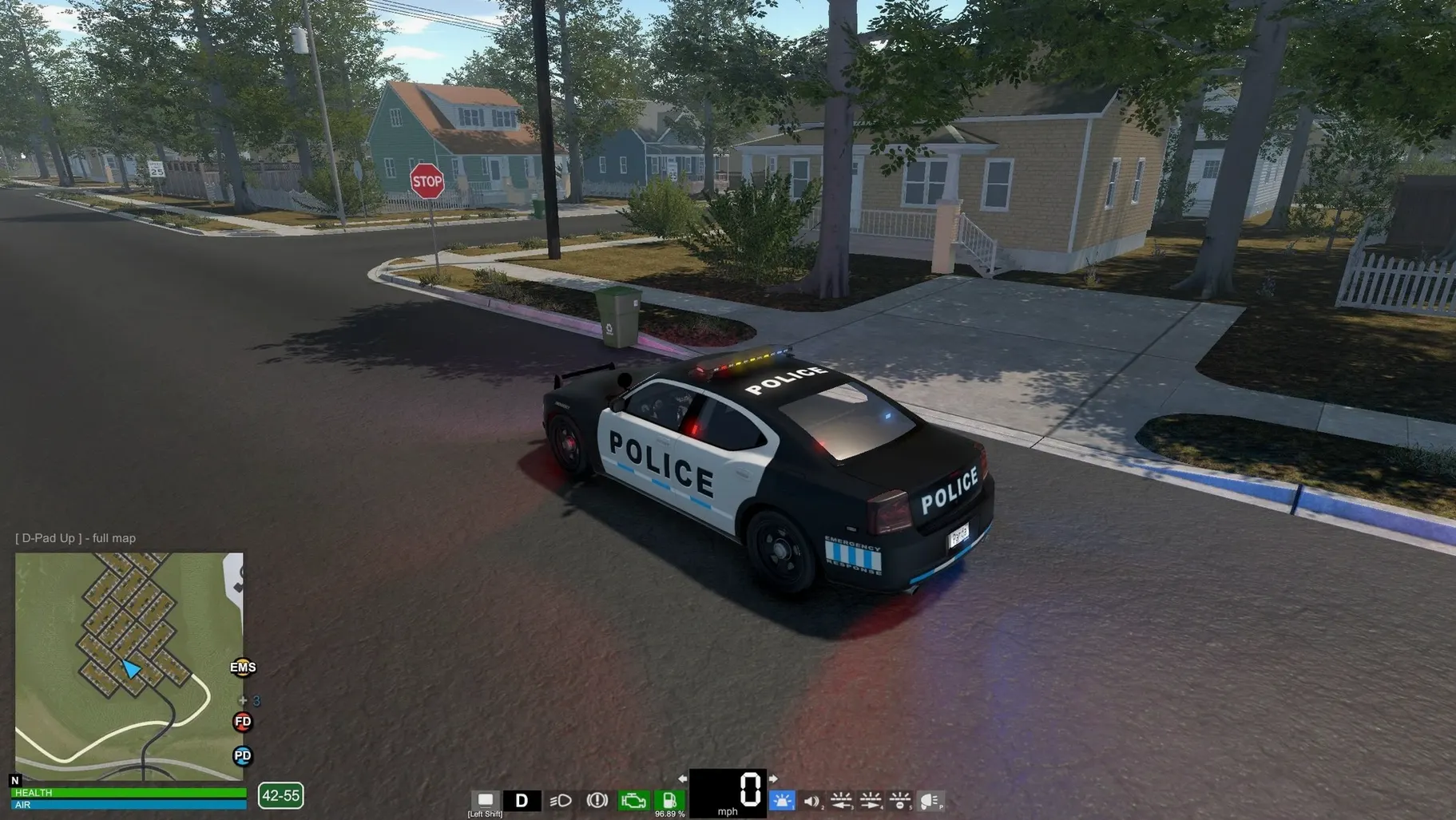
- Police duties that range from issuing parking fines to pursuing dangerous suspects on the road.
- A native binary that runs on both Apple Silicon and 64-bit Intel Macs.
Cutting apart a crashed car so medics can reach the injured inside
- Fire and medical scenes can intertwine — cutting apart a crashed car is sometimes the only way for medics to treat the injured inside.
- The interface ships in 19 languages, including Russian, Chinese (Traditional and Simplified), Japanese and several European options.
- Tested on macOS Tahoe with a 2024 M4 Mac mini, so contemporary Apple hardware should handle it without translation overhead.
Patrol officer one moment, paramedic diagnosing injuries the next
Players who enjoy procedural role-switching rather than a single career track tend to stick around longest. One call you are a patrol officer writing a parking ticket by the waterfront; twenty minutes later you are a paramedic diagnosing injuries in the back of an ambulance while a fire crew cuts away a door frame nearby. That variety rewards people who like context-switching under pressure, not those who want to master one vehicle and one tool set for a hundred hours.
Co-op groups benefit too. The three emergency branches were built to overlap, so a session with two or three friends lets one person run the fire truck pump panel, another triage patients, and a third direct traffic or chase a fleeing suspect — all without artificial role boundaries. Solo players who prefer system-driven chaos over scripted missions also find a natural home here; the open world generates incidents continuously and does not wait for you to finish the last one.
A typical session, call by call
You load into the world near the central fire station. Within ninety seconds the dispatch panel lights up: a two-vehicle collision with reported injuries on the east highway. You mark the call, jump into the fire truck, and hit the siren — traffic parts just enough to keep your arrival under three minutes.
On scene, the smaller car is smoking. You pull the fire hose from the truck and knock down the visible flame near the engine block while a second firefighter — maybe another player, maybe your own quick-switch — works the hydraulic spreader on the passenger door. Once the door peels away, the medic role takes over: you grab a first-aid kit from the ambulance, check vitals on both drivers, and load the more critical one onto a stretcher. The police unit arrives last, cordoning the lane and citing the driver who caused the wreck. The entire sequence runs about twelve minutes, and the game immediately surfaces the next incident — a small rubbish fire near the industrial district — before you have finished restocking the ambulance.
Drag-to-Applications .dmg that Spotlight indexes like any native Mac app
The game ships as a standard .dmg with a drag-to-Applications install, so it behaves exactly like any other native Mac app. Spotlight indexes it automatically, and you can launch it from Launchpad or drop it into a folder alongside other simulation titles without worrying about third-party launchers or translation layers.
Because the binary runs natively on Apple Silicon and x86, it sits comfortably on a machine that also runs creative tools — Logic Pro or DaVinci Resolve, for example — without fighting for Rosetta resources. Voice chat with teammates typically happens through Discord or the system-level microphone routing in macOS, and the game's audio mix respects the system volume and mute controls properly. If you stream or record sessions, OBS picks up the window without framebuffer capture quirks on recent Metal 3-capable Macs.
For players who enjoy modding the emergency services genre, the game's file structure is accessible enough that custom vehicle skins and siren audio replacements appear in community circles — you drop them into the app bundle's Contents/Resources path and reference them from the config, which is the same pattern Mac tinkerers know from other Unity-based titles. It is not officially documented, but it works.
- Architecture: Apple Silicon (ARM) and 64-bit Intel (x86_64).
- Other: Tested on macOS Tahoe.
Comments 0
Sign in or create an account to leave a comment.
No comments yet. A codec, a slice, a machine — they appear after moderation.