
No, I'm Not a Human for macOS
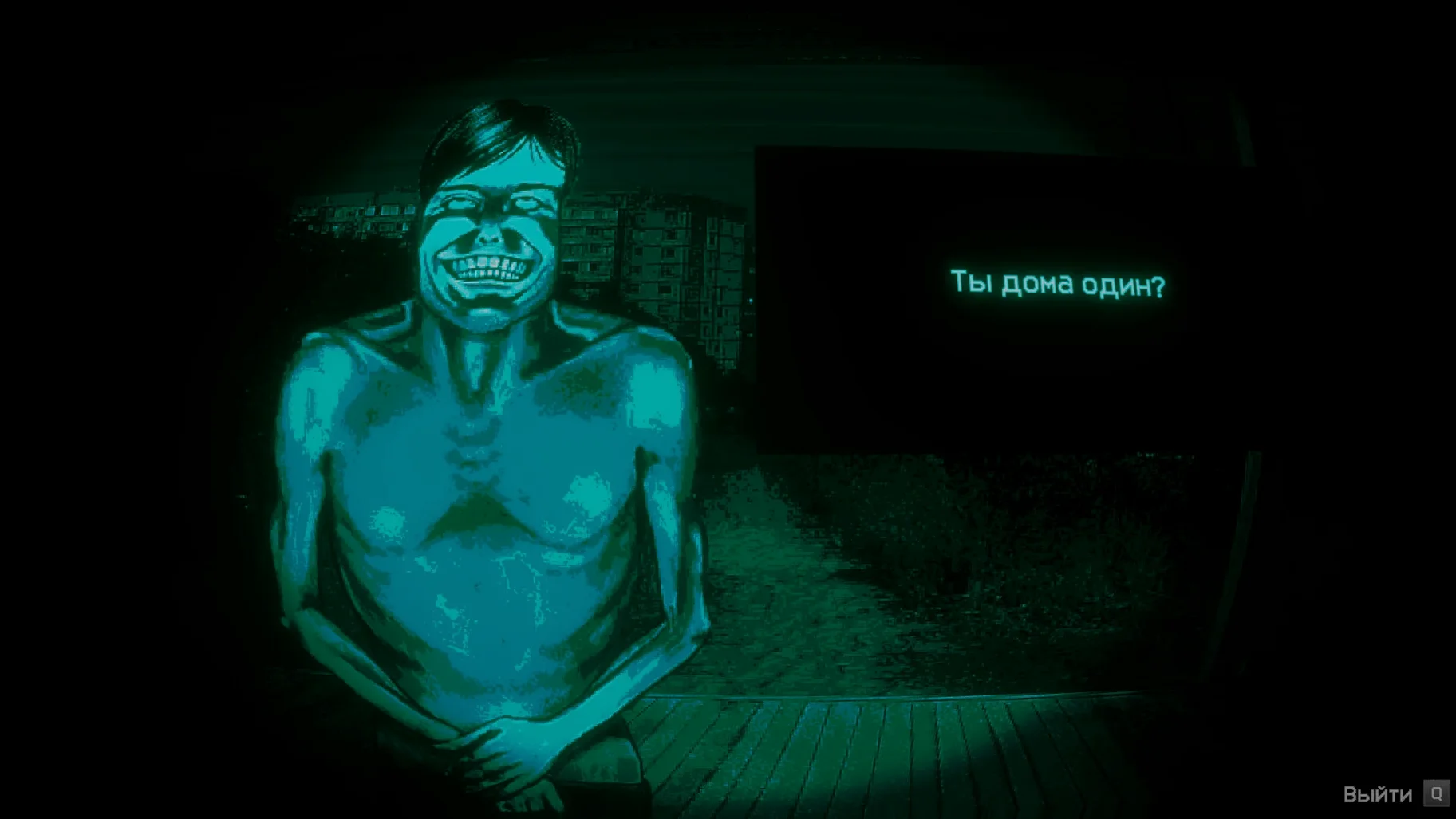
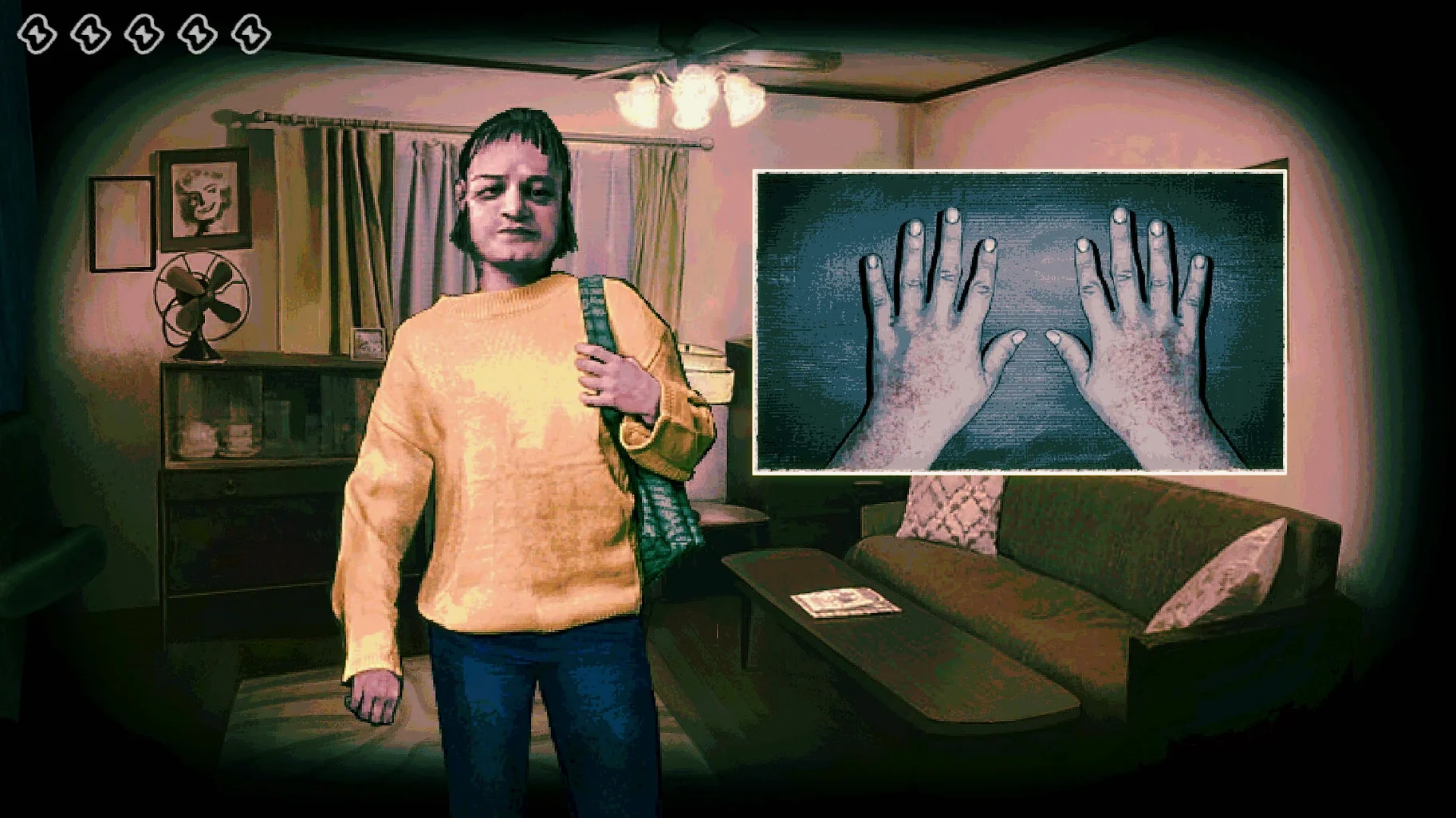
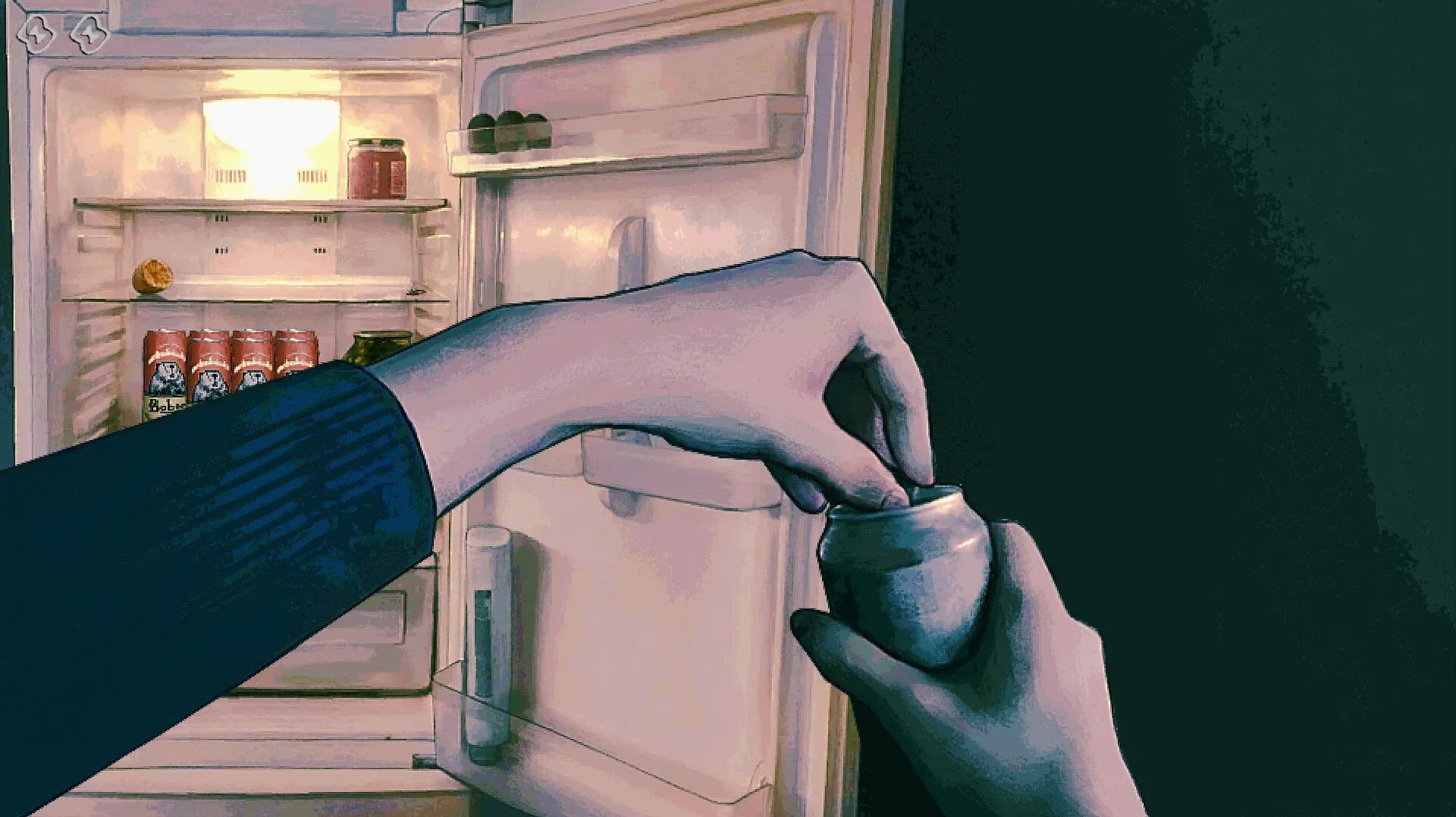

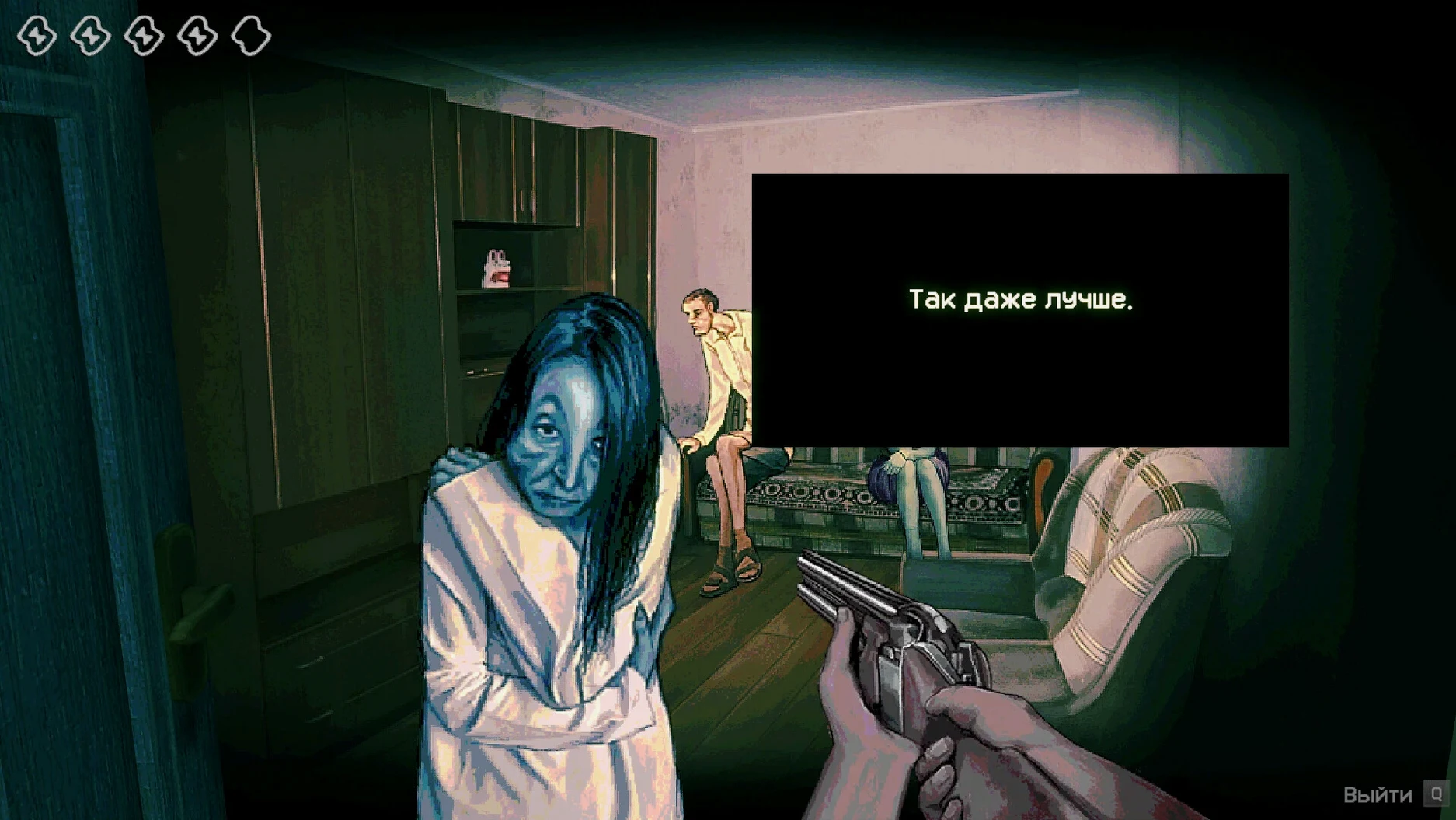
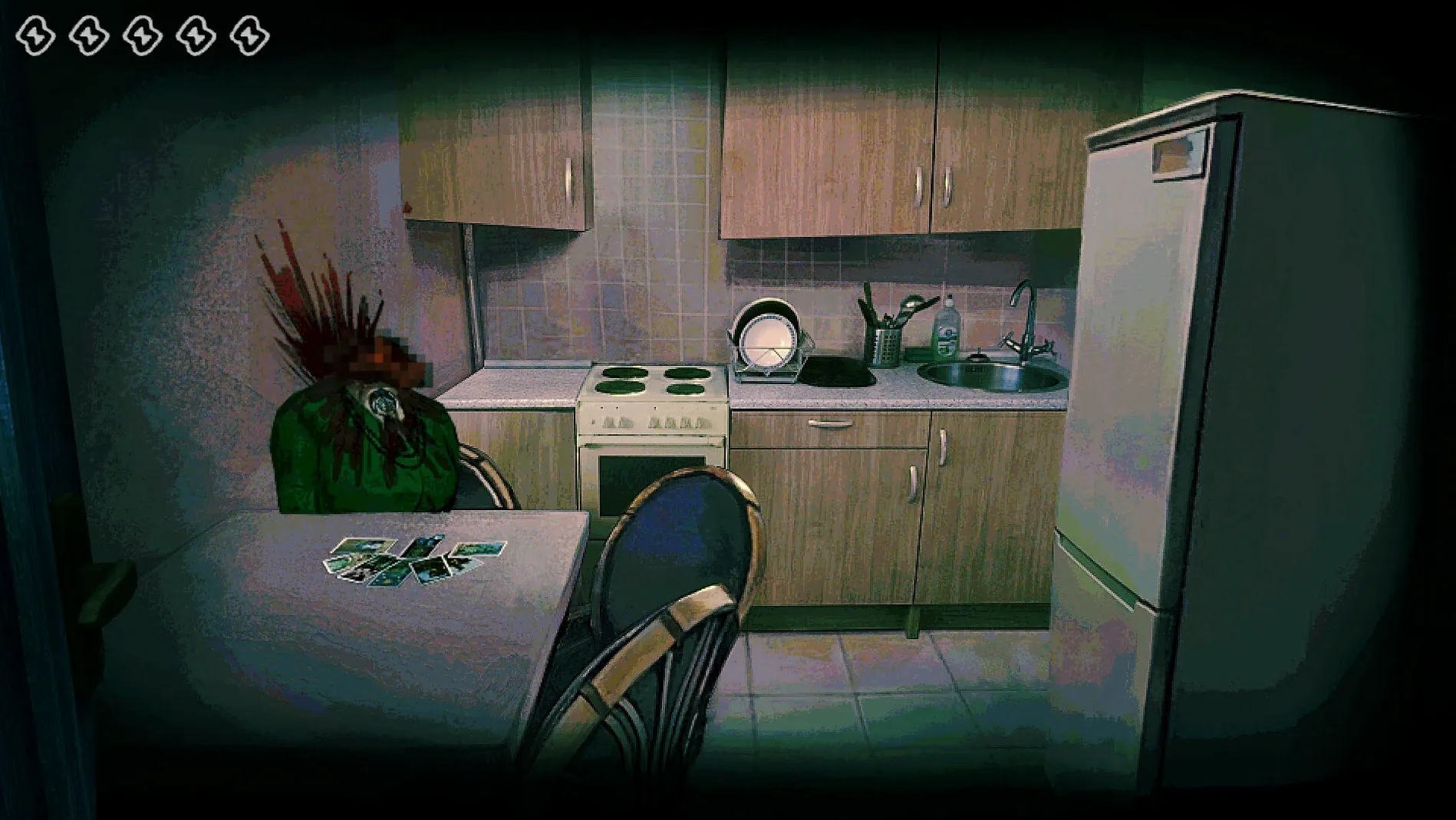
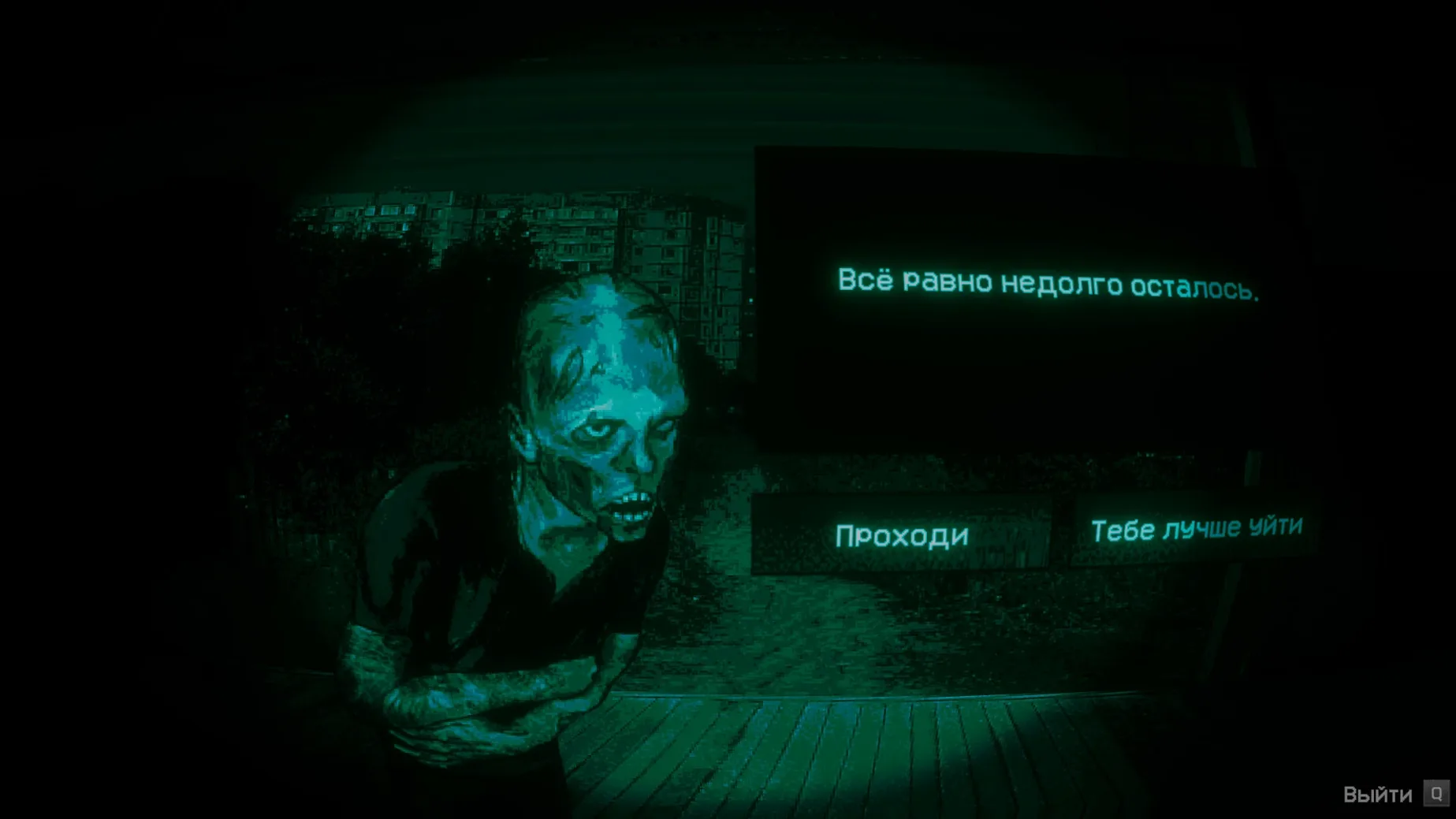
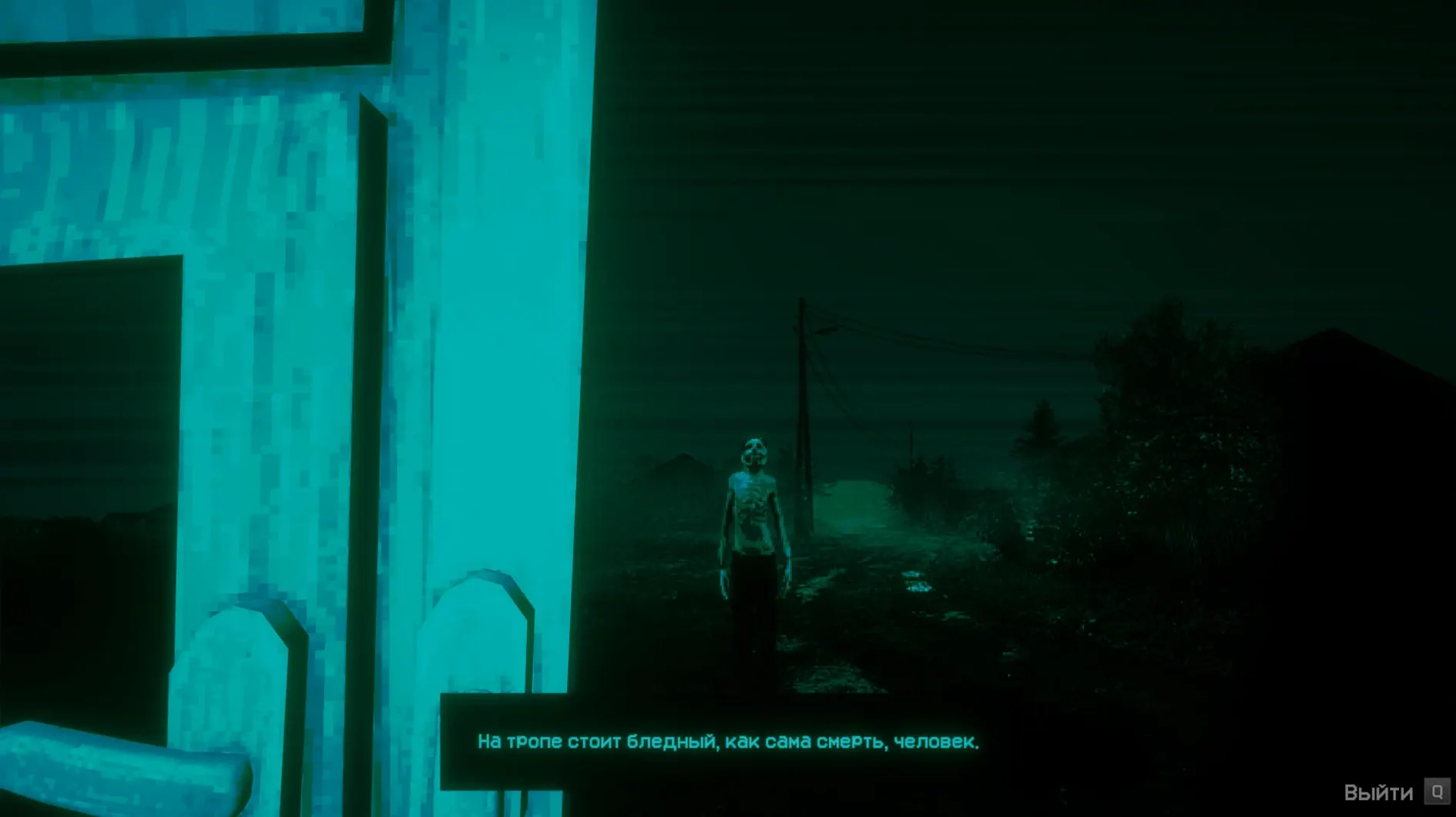
Gas Mask Decision is where a run can pivot from cautious to catastrophic in seconds. Someone shows up at your door wearing one, and the game gives you no easy tells — just a person, muffled speech, and a handful of questions you can ask before making the call. The pressure isn't jump scares; it's the weight of knowing that every person you turn away is dead, and every Visitor you let in means the same for you.
- Read the cue. The visitor on your doorstep says something — a plea, a joke, a nervous ramble. The dialogue is terse, sometimes a single line, and the localization holds up well across the ten supported languages.
- Choose a question. You get a small deck of queries. Ask about their job, where they came from, why they're wearing what they're wearing. Some answers feel off in ways that are hard to articulate — that's the point.
- Call it. You admit them or you don't. The game logs your choice and the next visitor arrives. There's no undo, no pause to reconsider. The save files sit quietly under
Steam/RUNE/427410/remoteinside the app bundle, keeping track of every decision you've made. - Live with it. The world outside gets worse. Power flickers. The radio crackles with bad news. The visitors change in subtle ways, and your own mental state — implied through the shifting tone of the interface — becomes part of the challenge.
The build is 1.3.19 Rev2 [Wineskin], running on Apple Silicon via a Wineskin wrapper. Audio is music only — no voiced dialogue, which keeps the performances in your head where they belong. After the first launch in English, you can switch to Russian or any of the other supported languages from the settings menu. It's a single-sitting kind of game built around a repeating ritual that never quite feels routine.
Does frame pacing stay smooth during dialogue choices?
On Apple Silicon the Wineskin wrapper behaves predictably once the first launch is out of the way. Frame pacing is consistent, which matters more here than raw framerate — this isn't a twitch shooter, but stutter during a dialogue choice breaks the spell fast. I saw no dropped frames on an M4 Mac mini running macOS Tahoe, and the app sits at roughly 600–700 MB of memory while active. That's light enough to leave a browser and a notes app open without swapping.
The one quirk worth knowing: if you quit mid-session and relaunch, the wrapper occasionally needs a moment to reinitialize the audio pipeline. You'll hear silence for maybe two seconds at the title screen, then the ambient drone fades in. Not a bug so much as a Wine artifact. The Fix file inside the disk image clears up the handful of launch errors people have reported — usually a missing registry key that gets written on first run but doesn't always survive a force-quit.
Save files live inside the bundle at Steam/RUNE/427410/remote. Backing those up by hand is trivial, and the v1.3.19 hotfix specifically addressed Steam Cloud save recovery, so progress corruption is rare now. Stability over a two-hour session is solid; I'd trust it on a flight without worrying about a mid-game crash.
Why dread-focused horror fans click with the rhythm
The game rewards two kinds of players in particular.
Horror fans who prefer dread over action. If you find something like Papers, Please more tense than most survival horror, the rhythm here will click immediately. There's no chase sequence, no combat, no monster closet. The horror is conversational and cumulative — a slow realization that your heuristics are failing and the cost is mounting. The music-only audio design leaves room for your own imagination, which is almost always scarier than a sound effect.
Mac users who want a short, self-contained experience. This isn't a 40-hour campaign. A full playthrough runs under two hours, and the branching decisions give it replay value without demanding a commitment. The Wineskin build means it runs on Apple Silicon without a virtual machine or a compatibility layer you have to configure yourself. Download the disk image, drag the app, launch. That simplicity makes it a good fit for someone who wants an evening of focused tension and doesn't want to troubleshoot.
If you're after a technical showcase for your M-series chip, look elsewhere — the game's pixel-art style and static scenes aren't going to flex the GPU. But if you want something that uses that hardware quietly and reliably while you stare at a doorway and second-guess a stranger's alibi, it's exactly the right tool for the job.
A late shift in the cordon
Say you're a grad student running a lab simulation overnight, checking results every twenty minutes. Between data pulls you open No, I'm Not a Human on the same machine — a MacBook Air on macOS Tahoe, nothing else running except a terminal window. The game's low resource draw means you can alt-tab freely without the fan spinning up.
The fourth visitor of the session claims to be a courier. She's holding a package, she knows the neighborhood, and she's shivering — the sprite work makes the shiver subtle but readable. You ask about the package. She hesitates, then describes the sender in too much detail. Real people don't rehearse backstories; Visitors do. You deny her entry. The screen dims, the interface marks another tally, and the next knock comes thirty seconds later. This time it's a kid. You ask the same questions and get answers that feel genuine in their vagueness, the way a frightened child would actually talk. You let him in. The game doesn't tell you if either call was correct — it just logs the choice and moves on.
That's the loop that fits into the cracks of a busy schedule: tense, brief, and self-contained. Each session is a string of small moral gambles that don't punish you for walking away, but they'll sit in the back of your mind while you check your simulation output.
- Updated to v1.3.19 Rev2, which bundles the v1.3.19 hotfix for Steam Cloud save recovery on Steam Deck.
- Includes minor Ukrainian localization fixes from the upstream patch.
- macOS Tahoe
- Apple Silicon (ARM build via Wineskin)
Comments 0
Sign in or create an account to leave a comment.
No comments yet. A codec, a slice, a machine — they appear after moderation.