Native Instruments Reaktor for macOS
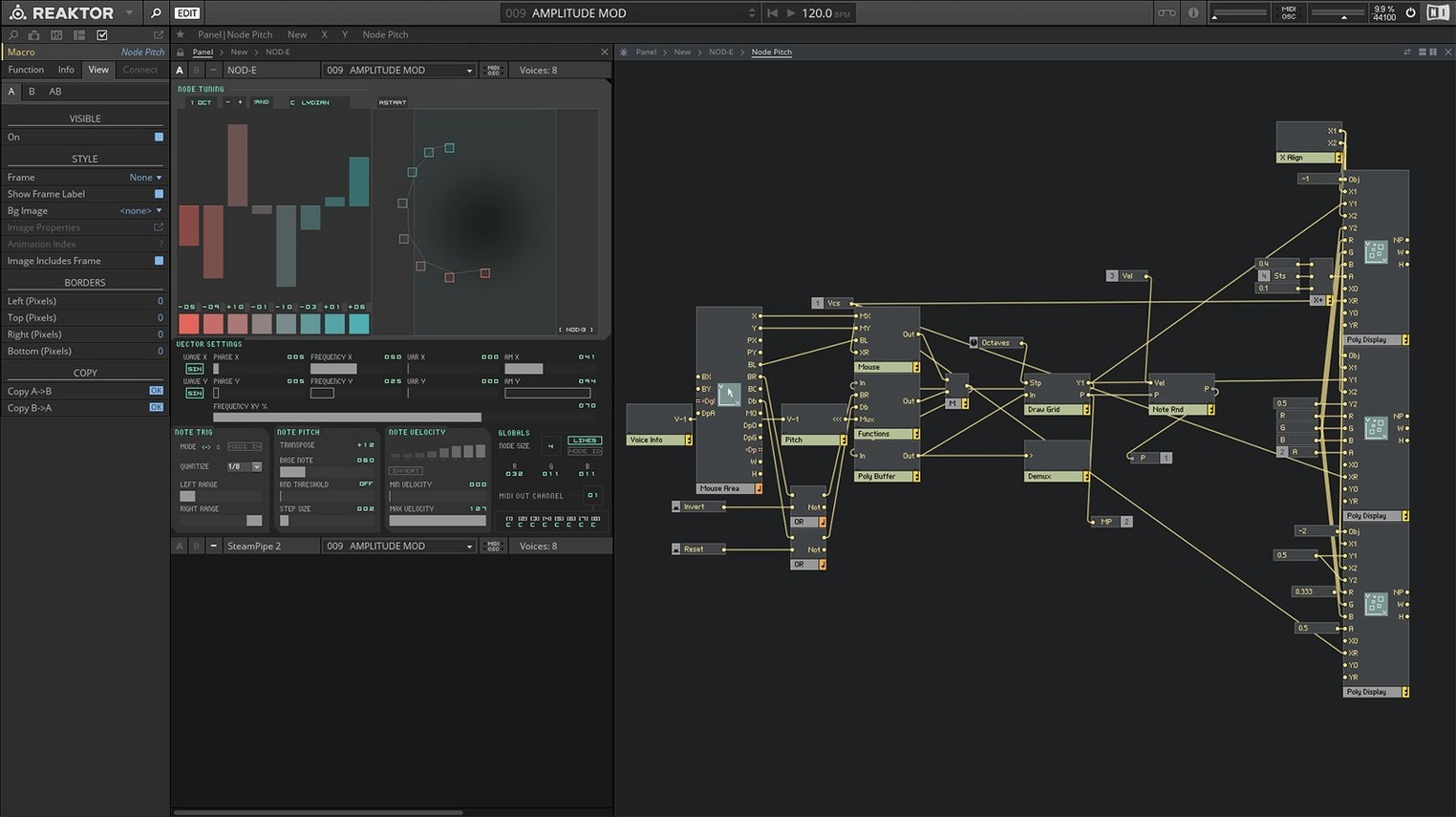
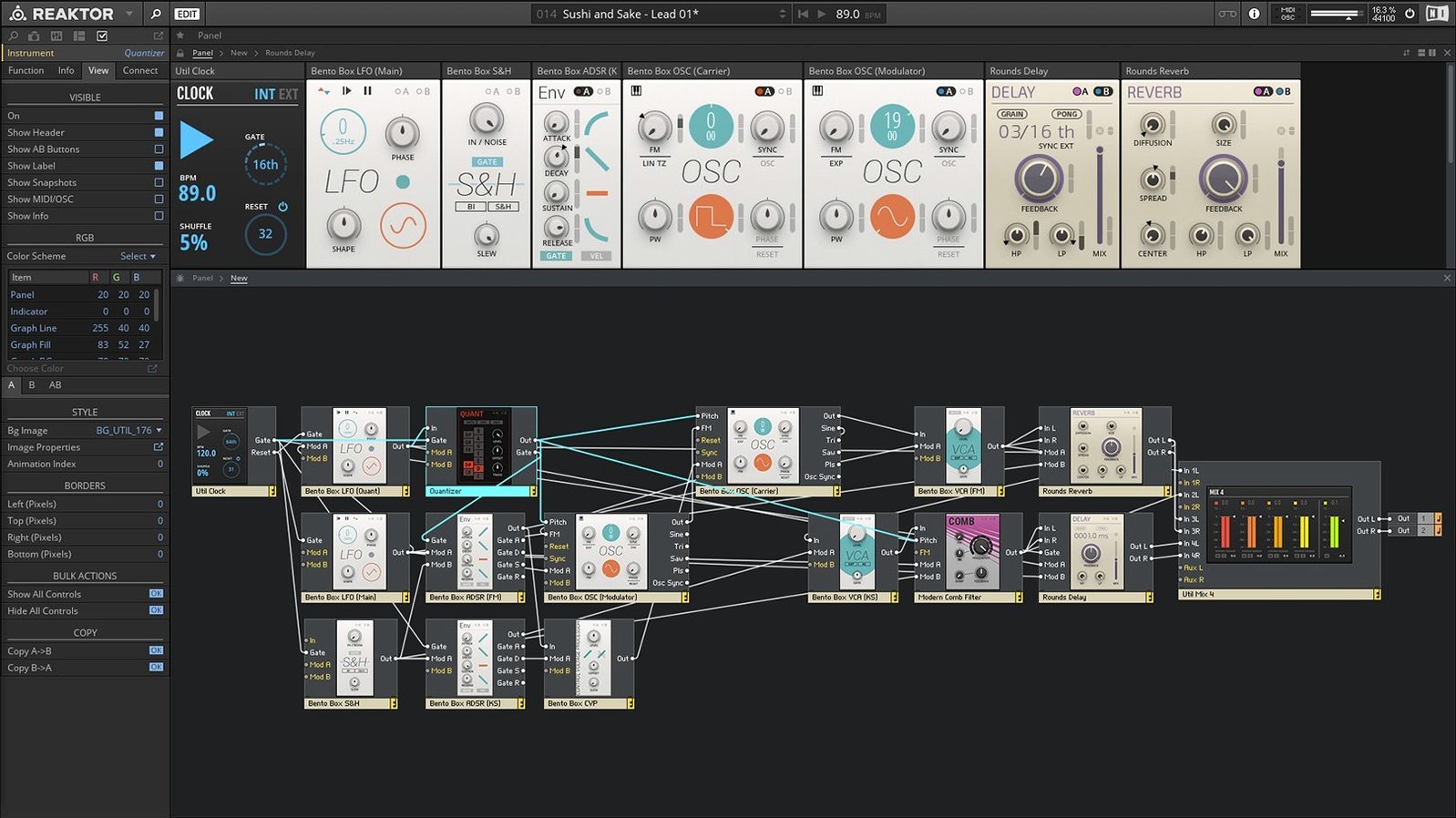
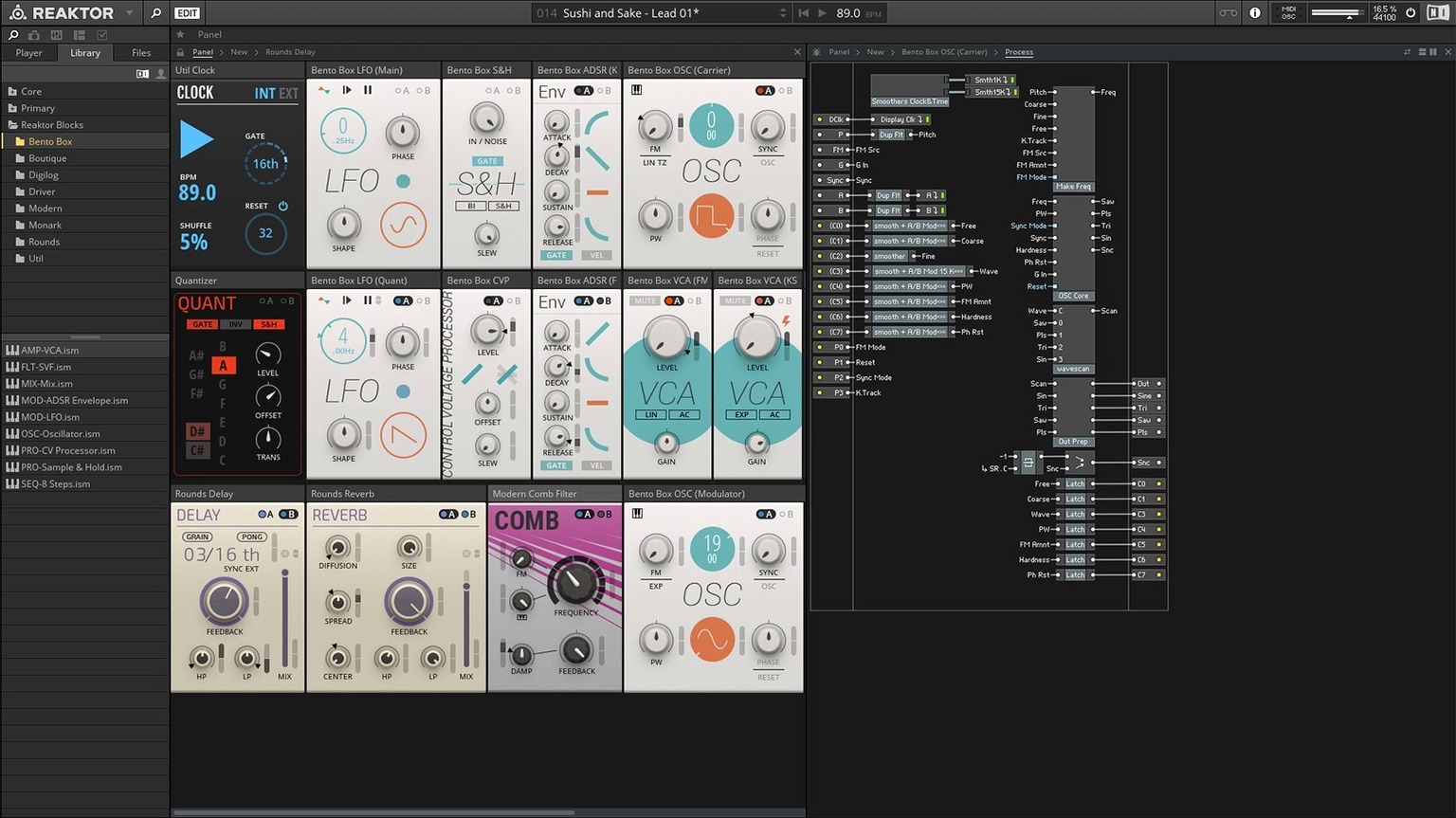
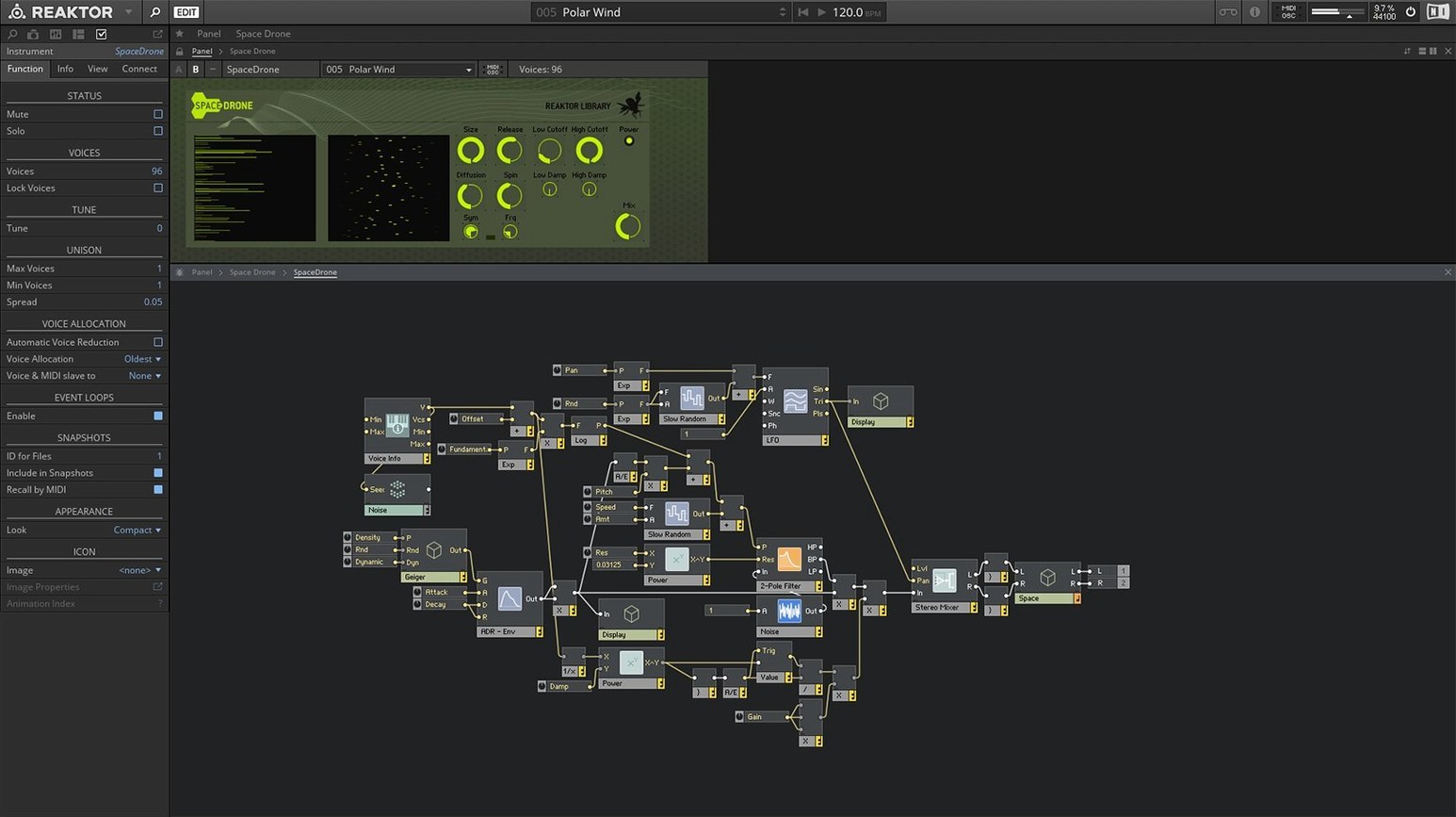
Before you go hunting for a reaktor 6 torrent, the first thing to check is whether your machine is even invited to the party. Reaktor 6.5.0 speaks the native language of both Apple Silicon and Intel 64-bit Macs, but it draws a hard line at macOS 10.15. If your system is older, you won't get past the gate. On the software side, it shows up as a standalone app when you want to sketch ideas directly, or as a plug-in inside a DAW when a track needs something unusual. Here’s what the package actually puts on your drive:
- 23 new instruments that ship with version 6, ranging from synths to effects.
- Reaktor Core Technology, a visual environment for building custom modules from scratch.
- The REAKTOR user library, an open pipeline to community-made instruments and effects.
- Integration with Native Instruments KORE for unified sound browsing.
- An open architecture that doesn’t lock you into the included building blocks.
What that means in practice is you get a deep sandbox for sound design, not just a preset player. The Core layer lets you wire up DSP at a low level visually, and the user library means the catalog of possible devices keeps growing long after the installer finishes copying bits into /Applications.
Do I need a constant internet connection after setup?
A few questions come up every time someone grabs a reaktor 6 mac build and stares at the disk image. The most common one: “Do I really need an internet connection after it’s set up?” Once you’ve downloaded and activated it, no — Reaktor runs perfectly offline. The activation is a one-time handshake with Native Instruments, and after that the app doesn’t phone home unless you go hunting for new user-library devices inside the browser.
Next on the list: “Will it choke on an older Mac?” The 10.15 floor is real, but what matters more is graphics. Reaktor leans on OpenGL 2.1 for its panel rendering, so integrated Intel HD graphics from a 2015 MacBook Air won’t be a party. Dedicated GPUs or Apple Silicon’s unified memory handle it fine, but if your Mac struggles with basic 3D viewports in other software, you’ll feel it here too — especially in large ensembles with animated meters and scopes.
People also ask whether the REAKTOR PLAYER is included. It’s a separate free engine, not part of this package, but any instrument you build (or download from the user library) that’s saved as a Player-compatible ensemble will load in it. If you’re grabbing a reaktor 6 download to run someone else’s creations, the Player might be all you need; the full app is for when you want to open the hood and rewire things.
Opening Blocks and building a first voice in the standalone window
You’ve dragged the app into /Applications, launched it from Launchpad, and the standalone window settles on screen. Here’s how the first real session usually plays out.
You open the browser and browse to the Blocks category — one of the 23 new instruments. You load a Monark-style bass ensemble. It arrives with its own panel, knobs mapped and a small patch bay visible on the right. You hit a note on your MIDI controller; sound comes out. So far, a preset synth.
But you’re not here for presets. You hit the Edit button and the structure view unfolds: oscillators, filters, envelope nodes, all wired with virtual cables. You drag a second LFO from the module palette and drop it onto the filter cutoff. Without leaving the panel, you right-click the LFO’s rate knob and assign it to a macro; now it shows up on the front of the instrument, labelled and ready for automation in your DAW.
You save the ensemble as .ens, drop the plug-in into a Logic project, and automate that macro over eight bars. The filter opens and closes exactly on the grid. That’s a typical fifteen-minute dive: load something pre-built, crack it open, change its behaviour, and have it integrate cleanly with the rest of your session.
Right-click any parameter to make a front-panel macro instantly
A few details aren’t obvious from the interface but change how you work once you know them.
- Right-click to create a macro. Any parameter in Structure view can become a front-panel macro with a right-click. No menu diving — just point at a knob, right-click, choose Create Macro, and it appears on the instrument’s panel instantly.
- Snapshot morphing. Snapshots store full parameter states. You can morph between two snapshots with a single slider, which turns any ensemble into a transitional sound-design tool without touching automation lanes.
- Quick-search in the module palette. The browser inside the edit view has a text field. Typing
oscfilters the list to oscillators,envto envelopes. It’s faster than drilling through the tree if you know the module name. - Undocked panel view. When the structure view is open, you can undock the instrument panel into a separate floating window. Useful on multi-monitor setups where you want the guts on one screen and the performance controls on another.
- Drag-and-drop sample maps. If you’re building a sampler ensemble, dropping an
.nkior a folder of WAV files directly onto the structure wires up a sampler module with the map pre-filled.
None of these are headline features, but they’re the difference between fighting the environment and forgetting the mouse exists while you work. If you’re coming from a reaktor 6 crack or an old version, the right-click macros and snapshot morphing alone are worth re-exploring the interface for.
- Reaktor Core Technology introduced a visual environment for building custom DSP modules at a low level.
- The factory library grew by 23 new instruments covering synthesis, sampling, and effects.
- macOS 10.15 or later
- Apple Silicon or Intel 64-bit processor
$ man native-instruments-reaktor | grep -A2 "?"
Does Reaktor 6 work on Apple Silicon Macs?
Yes. Reaktor 6.5.0 runs natively on both Apple Silicon and Intel 64-bit Macs, requiring macOS 10.15 or later.
Comments 0
Sign in or create an account to leave a comment.
No comments yet. A codec, a slice, a machine — they appear after moderation.