
Black Rooster Audio The ALL Bundle for macOS
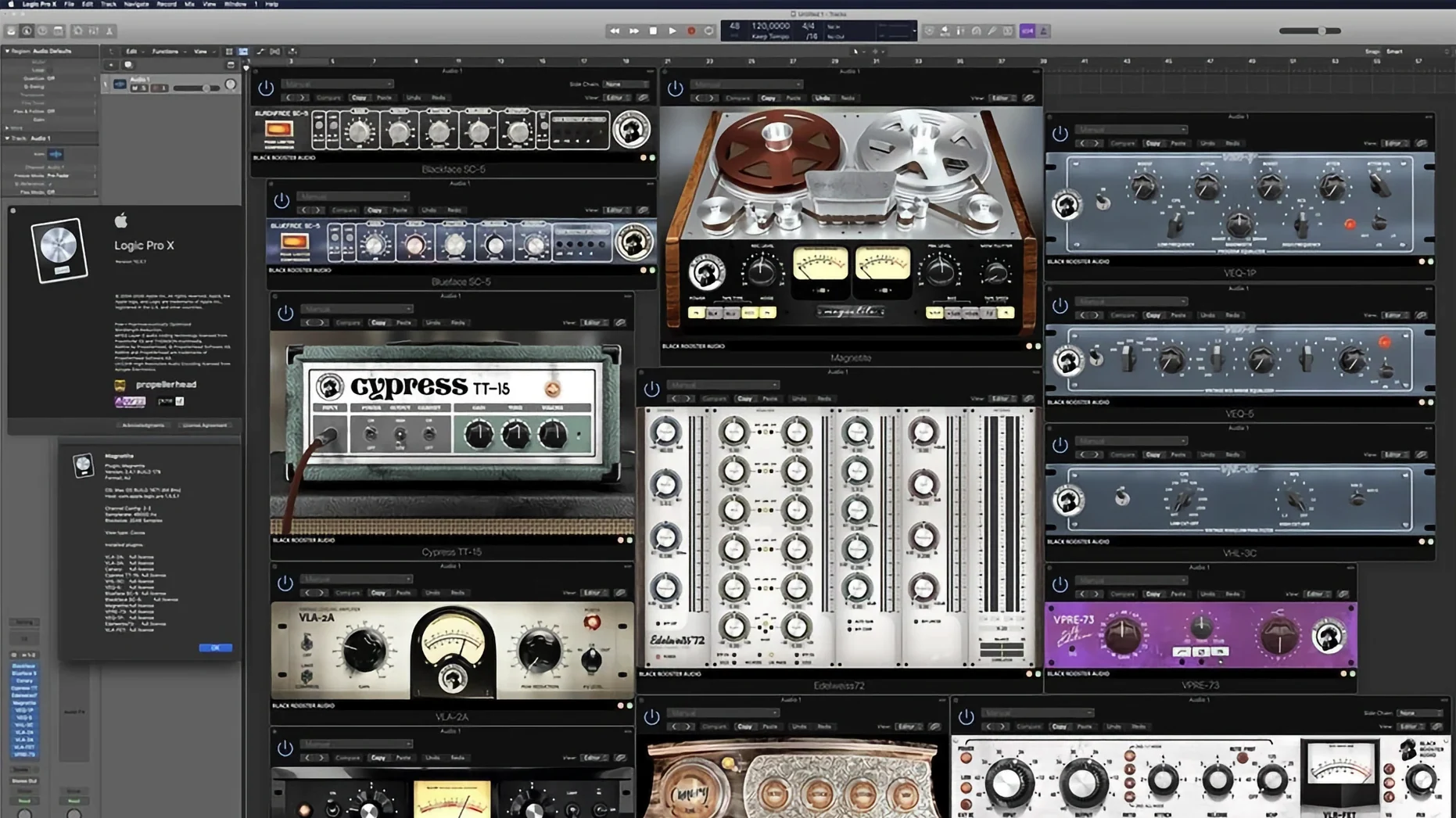
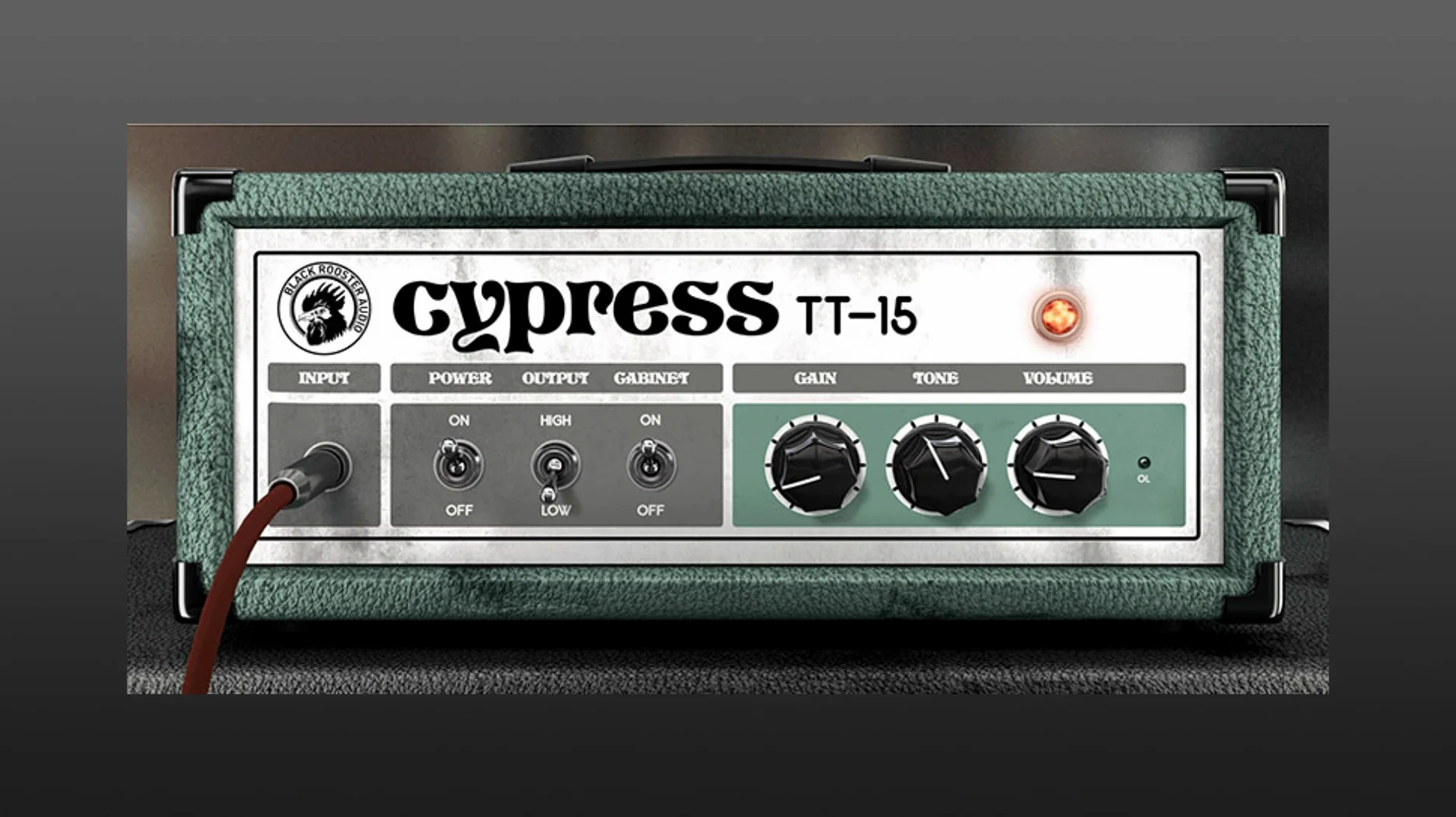
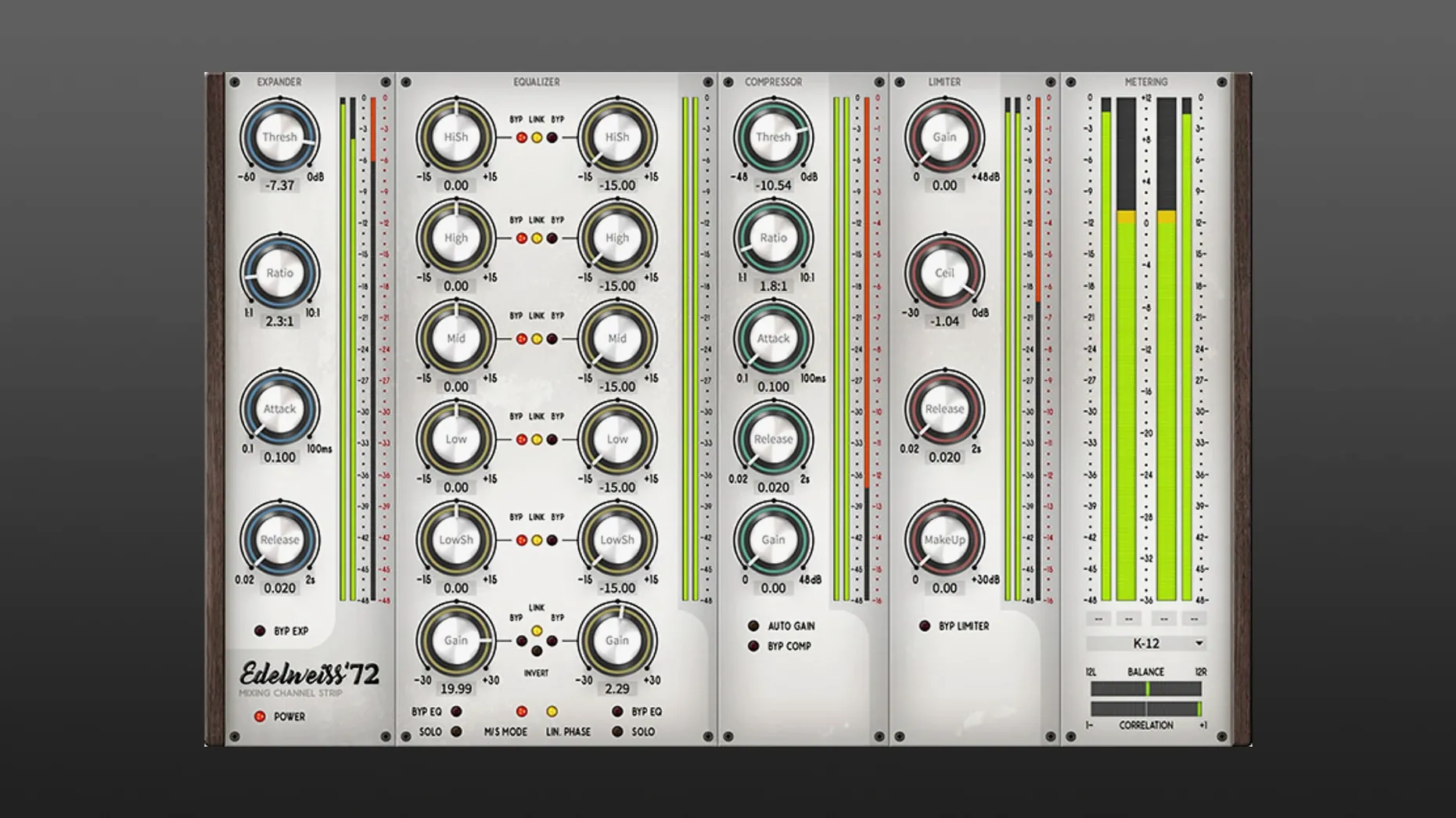
Black Rooster Audio The ALL Bundle is a set of 18 mixing plugins built on real-time SPICE-type component simulation, modeling circuits at the individual resistor and capacitor level to capture nonlinear behavior as the modeled hardware would produce it.
- VLA-2A and VLA-3A — opto compressors where the T4 optical element's program-dependent release shapes the envelope; the 2A goes smooth, the 3A grabs faster on voice and bass.
- VLA-FET — a field-effect transistor feedback compressor that saturates harder as the input signal pushes into the gain-reduction stage, adding midrange bite.
- MAGNETITE — a tape saturator where the hysteresis curve of the virtual tape head introduces odd-order harmonics that increase with input level; subtle at 15 ips, thicker at 7.5 ips.
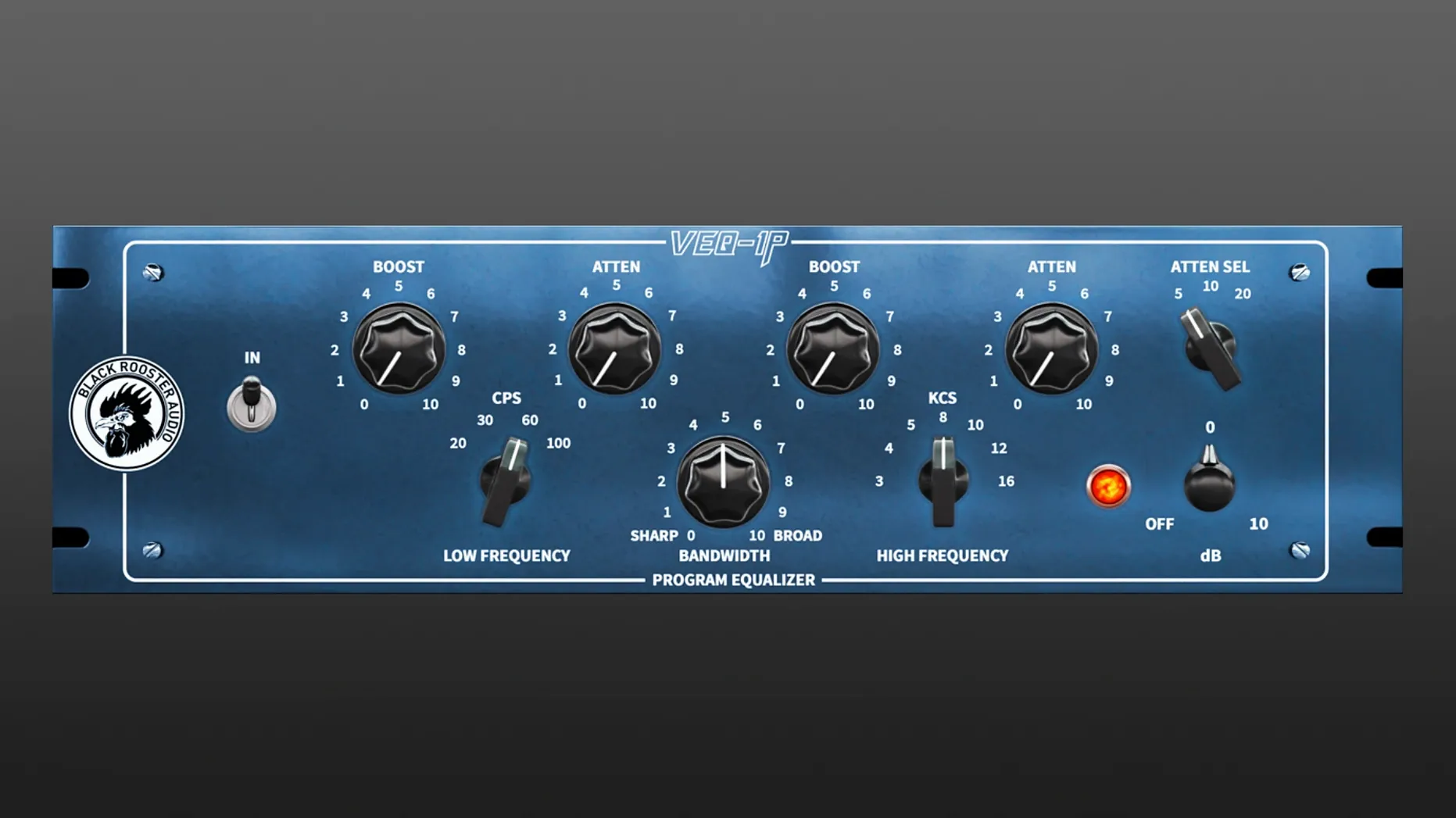
- VEQ-5 and VEQ-1P — inductor-based equalizers with interacting bands; boosting the low shelf on the VEQ-5 shifts the midrange response slightly due to the modeled output transformer.
- KH-COMP1 and KH-EQ1 — a stereo VCA compressor and a parametric EQ designed as a pair; the compressor's RMS detector and feed-forward topology keep transients controlled without pumping.
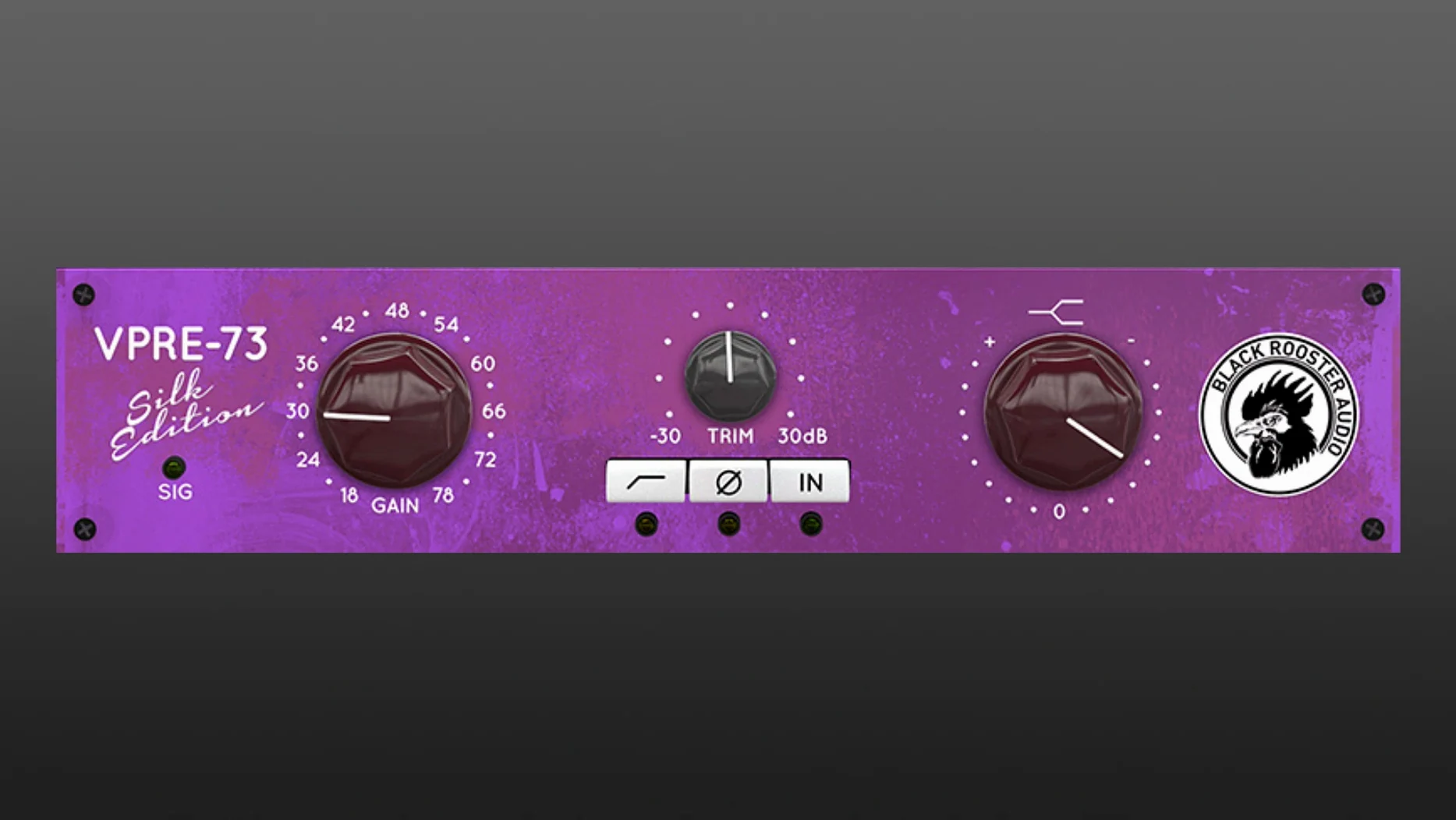
- VPRE-73 — a two-stage Class A preamp emulation where the output transformer core saturates before the clipping stage engages, letting you dial in harmonic density independently of level.
DSP runs through a pipelined SSE2 instruction path, keeping latency low enough to track through the preamp and compressor modules. Every plug-in loads as AU, VST3, or AAX inside any major DAW on Apple Silicon and Intel Macs.
Why does Logic Pro flag some plugins after install?
One recurring snag is the AU validation scan in Logic Pro after dropping the components into /Library/Audio/Plug-Ins/Components. If Logic throws a failed-validation warning on a few plugs, it is usually a macOS Gatekeeper quarantine flag rather than a corrupt install. Running xattr -cr on the bundle folder and restarting the audio unit cache clears it. Another gotcha: the VST3 files land in the user-level ~/Library/Audio/Plug-Ins/VST3 path by default; if your DAW only scans the system-wide location, moving them to the root-level VST3 folder and rescanning fixes the missing-plugin list.
On Apple Silicon machines, a handful of hosts still launch under Rosetta by default. Forcing the host to native ARM keeps the entire plugin chain in the same architecture, which avoids the frame-drop stutter that sometimes appears when the bridge juggles Intel-only and universal binary plug-ins side by side. The Black Rooster Audio The ALL Bundle Mac torrent package occasionally surfaces with an older installer layout that places presets in a legacy path; copy the .tfx bank files into ~/Documents/Black Rooster Audio/Presets if the browser shows up empty.
Daily-use feel: speed, stability and CPU load
Session handling stays snappy. GUI redraws are lightweight — no OpenGL surfaces, just a straightforward raster layer that resizes without lag on Retina displays. Plugin states recall reliably when switching between projects, and I have not seen a single AUHostingService crash trace back to the bundle on Monterey or Ventura. The oversampling engine auto-adapts to the session sample rate; you do not get a separate dropdown to fiddle with, which keeps the window clean but means a 96 kHz project runs the FIR anti-aliasing filters at a higher tap count, nudging CPU consumption upward roughly 20–30% per instance compared with a 44.1 kHz session.
Resource use mirrors the circuit complexity. VLA-2A and RO-140 sit around 1–2% on a performance core; KH-COMP1 hovers slightly lower because the feed-forward VCA topology skips the feedback-sidechain iteration. MAGNETITE and VPRE-73 pull a little more at higher saturation settings — the hysteresis model and transformer-core nonlinearity both iterate per-sample — but stacking eight to ten instances across a mix session still leaves headroom for virtual instruments on an M1 Pro. On older Intel Macs, spreading the heavier modules across aux tracks rather than inserting them directly on every channel helps avoid single-thread bottlenecks.
Where do the compressor output trims start by default?
Out of the box, the output trims on VLA-2A and VLA-3A are set to 0 dB, which means any gain reduction drops perceived level enough to fool a quick A/B check. The first thing to do is enable the output-compensating Auto Make-Up on both — it ties output gain to the reduction meter, so you hear the compression curve rather than a volume dip. On VPRE-73, back off the Output trim to -6 dB and drive the Input stage until the VU needle kisses 0; that lands the output transformer in its sweet spot without clipping the next plug-in in the chain.
MAGNETITE ships with the noise floor modeled at unity, which is authentic but rarely wanted on a clean digital bus. Pull the Hiss control to -48 dB and you keep the tape compression character without the high-frequency fizz. For the KH-EQ1, switch the bell filters to Proportional Q mode in the settings panel — the default constant-Q behavior sounds fine for broad shaping, but Proportional Q narrows the bandwidth as you boost, mimicking the way a console EQ tightens up as you push a frequency, and it makes surgical cuts feel more musical on snare top and vocal presence peaks.
- macOS 10.13 or later
- Apple Silicon or Intel 64-bit processor
- DAW supporting AU, VST3, or AAX formats
$ man black-rooster-audio-the-all-bundle | grep -A2 "?"
What is the minimum macOS version for The ALL Bundle?
The bundle requires macOS 10.13 or later and runs natively on both Apple Silicon and Intel 64-bit Macs.
Which plug-in formats are included?
Audio Unit (AU), VST3, and AAX formats are supplied, covering all major DAWs.
What circuit modeling approach does Black Rooster Audio use?
The plug-ins use real-time SPICE-type component-based circuit simulation, modeling individual components to replicate nonlinear analog behavior.
Comments 0
Sign in or create an account to leave a comment.
No comments yet. A codec, a slice, a machine — they appear after moderation.
More in VST Plugins
cd ../ Blue Cat Audio Blue Cats PatchWork
VST Plugins 587 MB
 Bogren Digital Ampknob BDH 66o6 Plus
VST Plugins 253 MB
 Cableguys Snapback
VST Plugins 37 MB
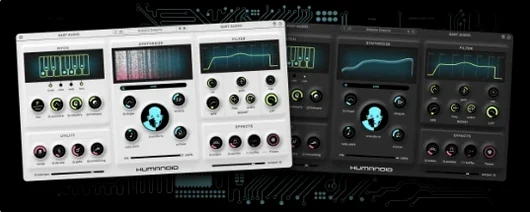 BABY Audio Humanoid
VST Plugins 39 MB
 Arturia Pigments
VST Plugins 1.8 GB
 Arturia MiniFreak V
VST Plugins 468 MB Updated
 Arturia Mellotron V
VST Plugins 2.1 GB
 Arturia FX Collection
VST Plugins 16.1 GB